
 2026.07.10
 Industry News
A Fence is a structure built along a property line or perimeter to mark a boundary, control access, or provide separation between two areas. Fences appear across residential, commercial, agricultural, and industrial settings, and the right configuration depends on the material, height, and purpose a given project requires. This guide walks through fence types, construction parts, technical specifications, installation steps, and the factors worth reviewing before a project moves forward.
Content
Fences are generally categorized by the material used in construction, since material choice affects appearance, cost, maintenance, and expected service life. The comparison below outlines common fence types and how they differ across several practical factors.
| Fence Type | Typical Use Case | Maintenance Level | Relative Cost |
|---|---|---|---|
| Wood | Residential privacy and boundary marking | Higher, periodic staining or sealing needed | Moderate |
| Vinyl | Residential privacy with low upkeep | Lower, occasional cleaning only | Moderate to higher |
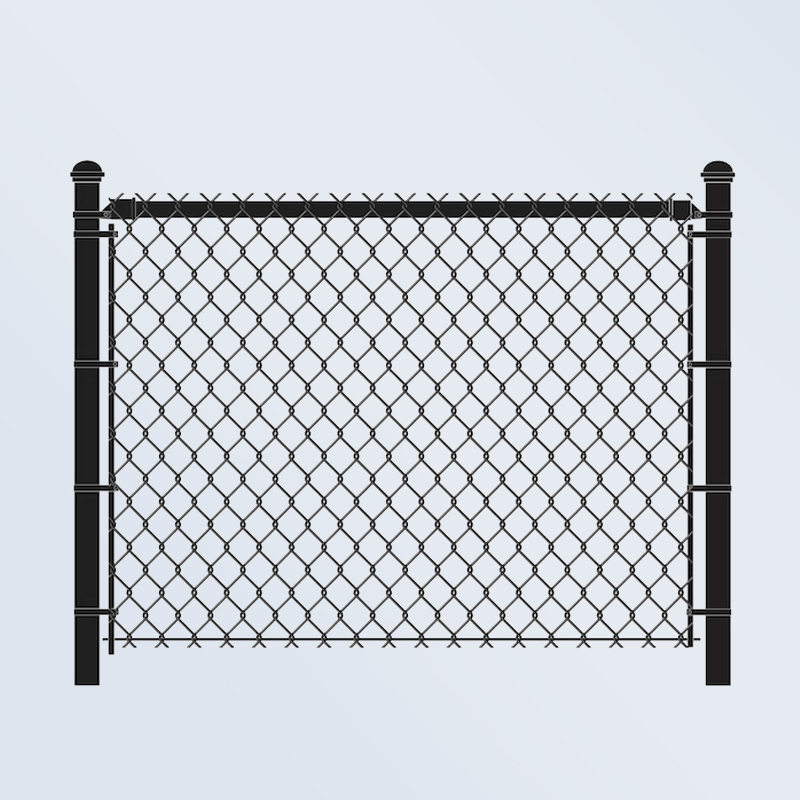
| Chain link | Commercial and utility perimeter security | Lower, minimal upkeep required | Lower |
| Aluminum | Decorative boundary marking, pool enclosures | Lower, resists corrosion well | Moderate |
| Wrought iron or steel | Security and formal property boundaries | Higher, rust prevention needed over time | Higher |
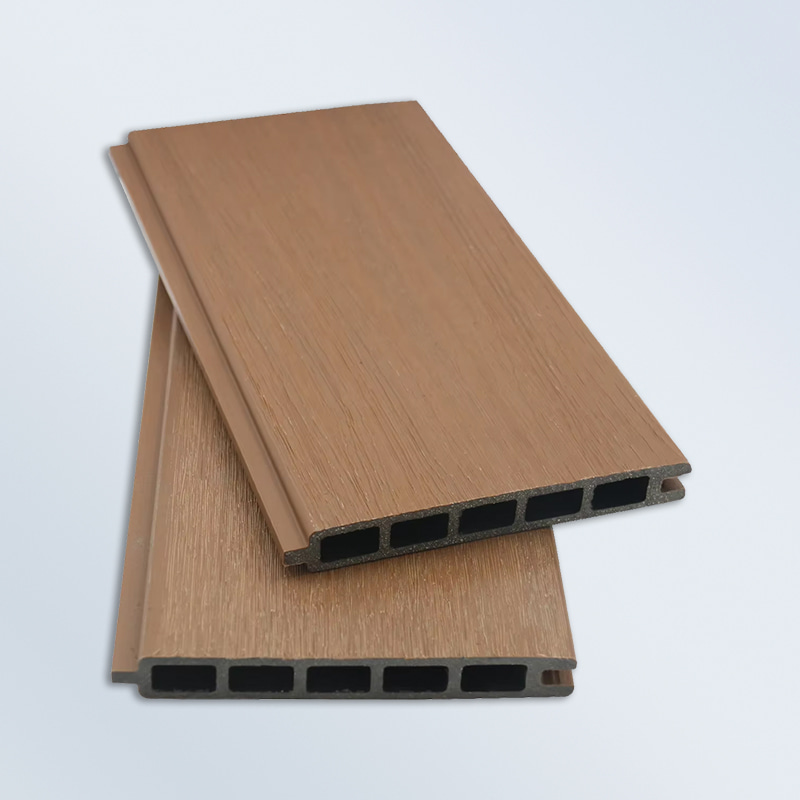
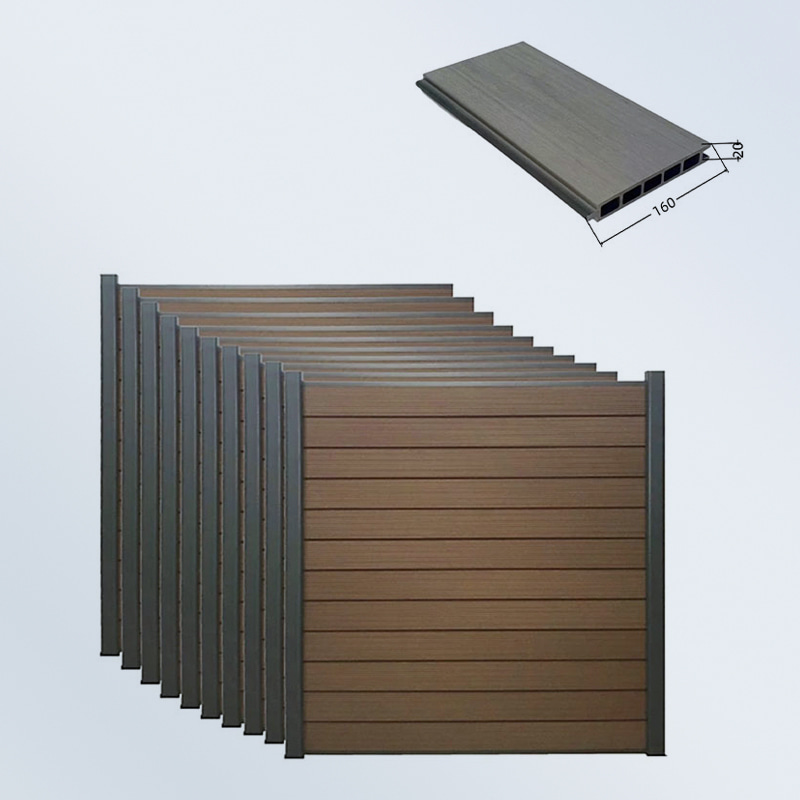
| Composite | Residential privacy with wood-like appearance | Lower, resists rot and warping | Higher |
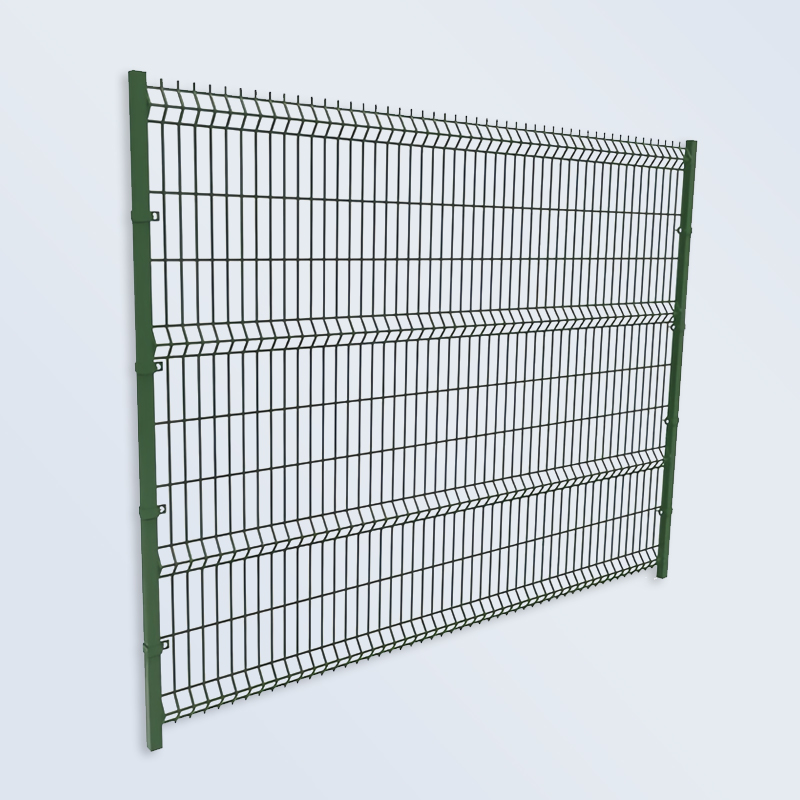
Beyond material, fences are also grouped by function, such as privacy fences designed with minimal gaps between boards, security fences built with height and rigidity in mind, and decorative fences intended primarily to define a boundary without fully enclosing a view.
Regardless of material, most fences share a common set of structural components that work together to keep the structure upright and stable over time.
Vertical supports set into the ground at regular intervals, forming the primary structural framework of the fence.
Horizontal members connecting posts, providing a mounting surface for pickets, panels, or mesh infill.
The vertical boards, slats, or prefabricated sections attached to the rails, forming the visible face of the fence.
A hinged or sliding access point built into the fence line, sized for pedestrian or vehicle passage as needed.
Protective caps, brackets, hinges, and fasteners that secure components together and shield exposed post tops from moisture.
Concrete or compacted material set around the base of each post to anchor it against wind load and ground movement.
Reviewing specification ranges helps clarify what a given fence configuration is likely to support in terms of height, spacing, and structural load.
| Specification | Typical Range or Detail |
|---|---|
| Residential fence height | 1.2 m to 1.8 m for most privacy and boundary fences |
| Commercial or security fence height | 1.8 m to 2.4 m or higher depending on the site |
| Post spacing | 1.8 m to 2.4 m between posts for most panel and picket styles |
| Post depth in ground | Approximately one third of the exposed post height |
| Chain link gauge | 9 gauge to 11 gauge wire, lower numbers indicating thicker wire |
| Wood picket thickness | Commonly 12 mm to 19 mm depending on style |
Post spacing and footing depth are particularly important for structural performance, since posts set too shallow or spaced too far apart are more likely to lean or shift under wind load or ground movement over time.
Installation steps vary somewhat by fence type, but the following sequence reflects a common approach across most residential and light commercial projects.
A fence serves several practical purposes beyond simply marking where one property ends and another begins. It can restrict access to a space, which is relevant for both security and containing pets or children within a defined area. It also provides a degree of privacy, particularly with solid panel or picket styles that limit visibility from adjacent properties or streets. In commercial and industrial settings, fencing is often specified to control site access, separate work areas from public zones, or meet site security requirements. A well-maintained fence can also contribute to how a property is perceived overall, since a clearly defined and tidy boundary is generally viewed as a sign of upkeep.
Expected service life varies significantly by material and local climate conditions, particularly exposure to moisture, sun, and temperature swings.
| Material | Typical Service Life |
|---|---|
| Wood | 15 to 20 years with regular maintenance |
| Vinyl | 20 to 30 years, less affected by moisture and UV |
| Chain link | 15 to 20 years, longer with a galvanized or coated finish |
| Aluminum | 20 to 30 years due to strong corrosion resistance |
| Wrought iron or steel | 20 to 25 years with periodic rust prevention |
| Composite | 25 to 30 years, resistant to rot and warping |
Choosing a fence configuration generally involves weighing purpose, material, height, and site conditions together rather than in isolation. A fence intended primarily for privacy calls for a solid panel or picket style with minimal gaps, while one intended mainly for boundary marking or pet containment can use a more open style such as chain link or aluminum. Soil conditions at the site also matter, since sandy or waterlogged ground may require deeper or wider footings than firm, well-drained soil. Local height and setback requirements should be confirmed early, since these can directly affect which fence styles are permitted for a given property line.
One frequent oversight is underestimating footing depth relative to local frost conditions, which can cause posts to heave or shift during seasonal freeze and thaw cycles in colder climates. Another common mistake is spacing posts too far apart for the chosen infill material, which places additional stress on rails and panels over time. Gate hardware is also sometimes under-specified relative to gate size and weight, leading to sagging or misalignment after repeated use. Finally, property line verification is occasionally skipped or done informally, which can lead to disputes if the completed fence does not match the surveyed boundary.
Maintenance needs differ by material, but a few practices apply broadly. Periodic inspection of posts for leaning or movement helps catch footing issues before they worsen. Wood fences benefit from resealing or staining on a multi-year cycle to maintain moisture resistance, while metal fences should be checked periodically for surface corrosion, particularly near welds or cut edges where protective coatings are more likely to wear through. Gate hardware, including hinges and latches, should be checked and lubricated periodically to prevent binding or sagging.
Interest in low-maintenance fencing materials, such as vinyl and composite products, continues to grow as property owners weigh long-term upkeep against upfront material cost. There is also continued demand for fencing that balances security with visual openness, particularly in commercial and mixed-use developments where a fully solid perimeter is not always desirable. In agricultural and industrial applications, coated and galvanized finishes remain a common way to extend service life in fencing exposed to harsh outdoor conditions over many years.
A Fence serves a range of purposes, from marking a boundary to providing privacy or security, and the right configuration depends on matching material, height, and structural specifications to the site and its intended use. Reviewing post spacing, footing depth, and material service life alongside local requirements helps support a fence that performs reliably for its expected lifespan.
Common types include wood, vinyl, chain link, aluminum, wrought iron or steel, and composite, each differing in maintenance level, appearance, and typical use case.
Installation generally involves marking the property line, setting posts in concrete footings at consistent spacing, allowing the footings to cure, then attaching rails, infill material, and gate hardware.
Service life varies by material, ranging from around 15 years for standard wood fencing to 25 to 30 years for vinyl or composite fencing under typical conditions.
A fence can define a property boundary, restrict access for security or containment purposes, add privacy, and contribute to how well-maintained a property appears overall.
Most fences include posts, horizontal rails, pickets or panels, a gate, post caps and hardware, and concrete or compacted footings anchoring each post.
A common guideline is setting posts to a depth of roughly one third of their exposed height, though local frost depth and soil conditions can require adjustments.
Maintenance typically includes checking posts for movement, resealing or staining wood surfaces periodically, inspecting metal components for corrosion, and lubricating gate hardware.

 +86-18267317201
 +86-572-2373931
 [email protected]
 1411 Building 1,No.1969 Chuangye Avenue, Huzhou City ,Zhejiang Province, China.
 | Login


 Español
  Deutsch