What materials can a stick on slide cutter easily cut through?
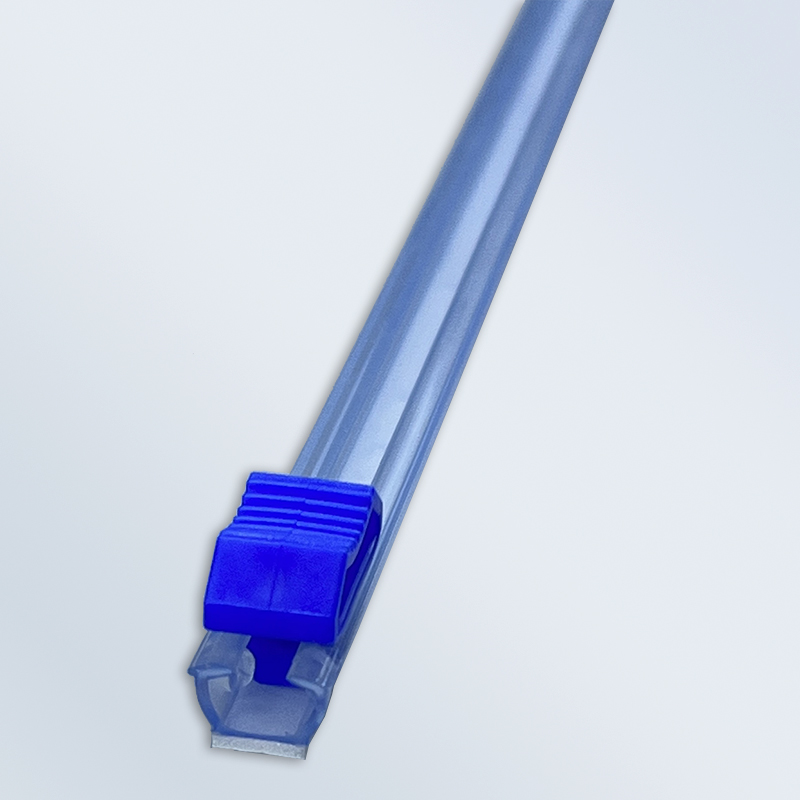
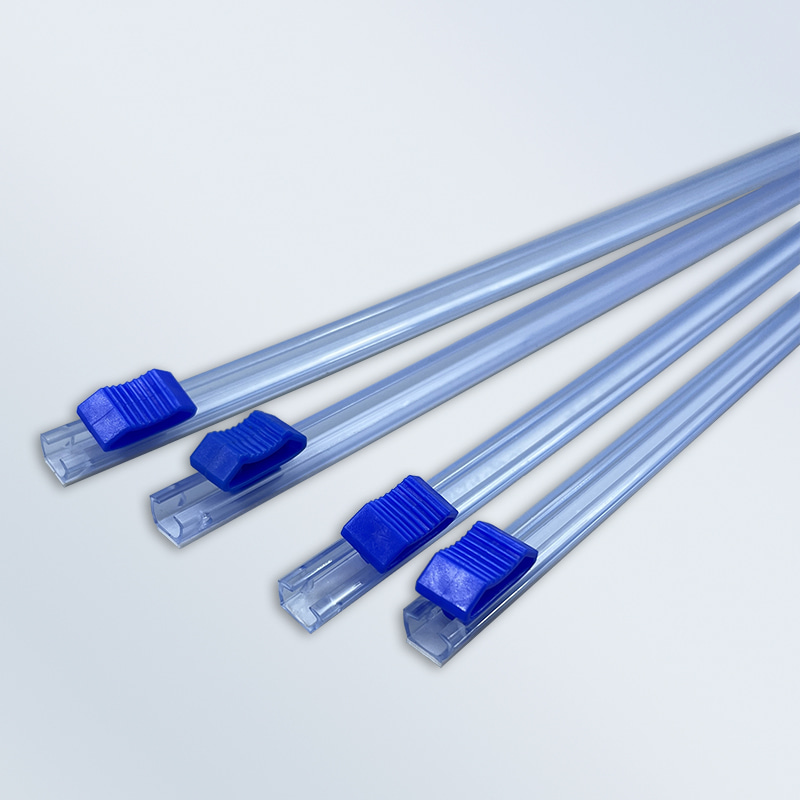
In modern kitchens, packaging workshops, craft studios, and household storage environments, cutting tools must provide both convenience and precision. A stick on slide cutter has become a practical solution for users who frequently handle plastic wrap, aluminum foil, baking paper, protective films, and lightweight packaging materials. Unlike traditional cutting methods that rely on scissors or serrated edges, this sliding cutter system improves safety, reduces waste, and enhances cutting consistency. Its compact structure allows it to be attached directly to storage boxes, countertops, dispensers, or packaging stations, making it suitable for both domestic and industrial applications.
One of the main reasons why users choose a stick on slide cutter is its ability to cut through multiple flexible materials smoothly without damaging the material surface. Depending on blade structure, housing material, and installation method, the cutter can support a wide variety of packaging and film applications. The tool is especially useful in environments where repeated cutting tasks must be completed quickly and safely. From food preservation to industrial packaging, the versatility of the sliding cutter design continues to expand.
Manufacturers also pay close attention to durability and material compatibility. Companies such as Zhejiang Huzhou Dayou Plastic Technology co.,ltd. have invested heavily in polymer material development and plastic extrusion technologies to improve cutter performance and adaptability. Their experience in raw material modification and customized plastic product manufacturing supports the development of practical cutting systems that meet different customer requirements worldwide.
Common materials that a sliding cutter can process efficiently
A properly designed sliding wrap cutter can cut through a broad range of lightweight and flexible materials commonly used in kitchens, packaging centers, laboratories, and warehouses. The cutting performance depends on blade sharpness, rail stability, pressure distribution, and the thickness of the target material. In most applications, the cutter performs best on soft sheet materials that require clean and straight edges.
Plastic wrap and cling film
Plastic wrap is one of the most common materials processed by a stick on slide cutter. Traditional carton teeth often create uneven cuts and can cause film tangling. A sliding cutter solves this issue by maintaining stable blade contact during movement. The result is a smoother and cleaner cutting edge that improves wrapping efficiency and reduces material waste.
The cutter works effectively on:
- Household cling film
- Commercial food wrap
- PE preservation film
- PVC wrapping film
- Stretch packaging film
Many users prefer this cutting method because it improves hygiene and minimizes direct hand contact with food packaging materials. In restaurants and food preparation facilities, consistent cutting performance is essential for maintaining productivity and reducing unnecessary material loss.
Aluminum foil and baking paper
Another material category commonly handled by a portable slide cutting system includes aluminum foil and baking paper. Foil requires slightly greater cutting force compared to thin plastic film because the material is less elastic and more resistant to tearing. A high-quality cutter with reinforced guide rails and stable blade alignment can easily create straight and accurate cuts across foil sheets.
Baking paper and parchment sheets are softer and easier to process. In baking environments, users appreciate the speed and convenience of integrated sliding cutters because they help prepare trays quickly without folding or damaging the paper surface.
| Material Type |
Cutting Difficulty |
Typical Applications |
| Plastic wrap |
Low |
Food storage |
| Aluminum foil |
Medium |
Cooking and baking |
| Baking paper |
Low |
Oven preparation |
| Stretch film |
Medium |
Industrial packaging |
Industrial and commercial materials suitable for cutting
Although household applications are common, many industrial environments also use stick on slide cutter systems. Warehouses, shipping departments, medical packaging centers, and manufacturing facilities often require rapid and repetitive film cutting operations. In these cases, durability and material resistance become even more important.
Industrial packaging films are usually thicker and stronger than household wraps. Sliding cutters designed for commercial use often incorporate reinforced plastic housings, corrosion-resistant blades, and stronger adhesive mounting systems. These features allow the cutter to maintain stable operation even during continuous use.
Protective film and surface covering materials
Protective films used on glass panels, electronic products, furniture surfaces, and metal sheets can also be processed efficiently using a sliding cutter. These films are designed to protect surfaces during transportation or assembly, and they often require precise cutting dimensions. A manual sliding mechanism allows operators to control the cutting line carefully without damaging the protected surface underneath.
Suitable materials include:
- Temporary surface protection film
- Static protective sheets
- Transparent transport film
- Light adhesive packaging layers
- Decorative covering film
In production environments, accurate cuts improve material utilization and reduce waste. This contributes to lower packaging costs and more efficient workflow management.
Lightweight laminated materials
Certain lightweight laminated sheets can also be processed with a sliding film cutter. These include soft composite materials used for wrapping, insulation layers, and flexible barrier packaging. However, users must select blade types carefully because extremely thick or rigid laminated structures may reduce cutting efficiency.
The ability to handle multiple packaging materials makes the cutter highly adaptable across industries. Zhejiang Huzhou Dayou Plastic Technology co.,ltd. supports these requirements by offering customized plastic solutions using materials such as PP, PVC, ABS, and Nylon. Their manufacturing capabilities allow customers to request different cutter shapes, surface treatments, and special functional features according to application requirements.
How material thickness affects cutting performance
Material thickness plays a major role in determining the effectiveness of a stick on slide cutter. Thin films require minimal force and generally produce the cleanest cutting edges. As thickness increases, blade resistance becomes greater, requiring stronger housing structures and improved blade geometry.
For thin plastic wrap, the cutter glides smoothly because the material separates easily during blade movement. Medium-thickness materials such as commercial cling film or reinforced foil require more stable pressure distribution. Very thick materials may exceed the intended operating range of standard household cutters.
| Thickness Category |
Performance Level |
Recommended Usage |
| Ultra-thin film |
Excellent |
Daily kitchen use |
| Medium packaging film |
Very good |
Commercial packaging |
| Heavy stretch wrap |
Moderate |
Industrial packaging |
| Rigid laminated sheets |
Limited |
Specialized applications |
Users should always match cutter specifications with intended material types. Excessive force or unsuitable materials can shorten blade life and reduce cutting accuracy. For this reason, many manufacturers provide customized material recommendations for industrial buyers.
Material compatibility and blade design considerations
The blade structure directly influences which materials a cutter can process effectively. A high-quality stick on slide cutter usually contains a concealed sliding blade mechanism that balances sharpness and safety. The blade must be sharp enough to separate soft films cleanly while remaining protected to minimize accidental contact.
Several design factors influence performance:
- Blade angle stability
- Sliding rail smoothness
- Housing rigidity
- Adhesive mounting strength
- Wear resistance of plastic components
Material compatibility also depends on environmental conditions. For example, humid kitchens, refrigerated storage areas, and industrial packaging rooms expose cutters to moisture, oils, and repeated handling. Durable plastics with strong chemical resistance help maintain long-term functionality.
Zhejiang Huzhou Dayou Plastic Technology co.,ltd. focuses on customized plastic development and processing optimization to improve these performance factors. Their experience with extrusion, injection molding, and polymer modification supports the production of sliding cutter systems with enhanced durability and adaptability.
Advantages of using sliding cutters for different materials
Compared with scissors or traditional tearing methods, sliding cutters offer several operational advantages across multiple material categories. The cutting path remains controlled throughout the process, which improves precision and reduces edge deformation.
Improved cutting consistency
One major advantage of a compact sliding cutter is consistency. Straight cuts are easier to achieve because the blade follows a guided rail instead of relying entirely on hand positioning. This is especially useful when cutting wrapping materials for packaging lines or repeated kitchen use.
Consistent cuts provide several benefits:
- Reduced material waste
- Improved packaging appearance
- Faster workflow
- Better material handling efficiency
- Lower risk of tearing errors
Enhanced safety during operation
Safety is another important consideration. Traditional exposed blades may increase the risk of accidental cuts. Sliding cutters often contain hidden or partially enclosed blade structures that reduce direct contact during operation. This makes them suitable for households, commercial kitchens, and industrial environments where repeated cutting tasks are performed throughout the day.
Because the cutter is mounted directly onto a container or work surface, users can operate it using controlled movement instead of handling loose blades separately. This improves operational stability and reduces unnecessary interruptions during packaging work.
Customization options for different material applications
Different industries require different cutter configurations. Some applications focus on food packaging, while others require industrial-grade film handling. As a result, customization has become an important part of sliding cutter manufacturing.
Zhejiang Huzhou Dayou Plastic Technology co.,ltd. provides customized services that allow customers to select material types, dimensions, surface finishes, and special functional properties. Their production capabilities support:
- Customized PP, PVC, ABS, and Nylon materials
- Flexible size specifications
- Smooth or matte surface treatment
- UV-resistant structures
- Chemical corrosion resistance
- High-temperature resistant materials
The company also emphasizes requirement analysis, design optimization, quality control, and after-sales support throughout the production process. This structured workflow helps ensure that customized cutting products meet specific customer standards and operational needs.
For industries handling specialized films or packaging materials, customized cutters can improve efficiency significantly. Adjustments to blade width, housing thickness, and installation structure allow better compatibility with different material rolls and dispenser systems.
Maintenance practices for long-term cutting efficiency
Regular maintenance helps preserve the cutting ability of a stick on slide cutter. Even though the tool is relatively simple, residue accumulation and blade wear can gradually reduce performance. Proper cleaning and storage are essential for maintaining smooth operation.
Recommended maintenance practices include:
- Remove film residue regularly
- Keep sliding rails clean and dry
- Avoid excessive cutting force
- Store away from direct heat exposure
- Inspect adhesive mounting periodically
In commercial settings, maintenance schedules are especially important because high-frequency operation can accelerate component wear. Proper maintenance not only improves cutting quality but also extends product lifespan and reduces replacement costs.
Manufacturers with strong material expertise can further improve durability by selecting wear-resistant plastics and corrosion-resistant blade materials. Zhejiang Huzhou Dayou Plastic Technology co.,ltd. continues to develop environmentally conscious and high-performance plastic products for global customers through advanced processing technologies and practical production experience.
Conclusion
A stick on slide cutter is capable of cutting through many lightweight and flexible materials efficiently, including plastic wrap, aluminum foil, baking paper, protective film, stretch packaging film, and certain laminated materials. Its guided sliding structure improves safety, cutting consistency, and operational convenience across both household and industrial environments.
The effectiveness of the cutter depends on several factors, including material thickness, blade structure, housing durability, and environmental conditions. As packaging materials continue evolving, manufacturers increasingly focus on customization, material engineering, and ergonomic design to improve cutting performance.
Through advanced polymer processing capabilities and customized manufacturing services, Zhejiang Huzhou Dayou Plastic Technology co.,ltd. supports the development of practical cutting products tailored to modern packaging and storage requirements. Their expertise in material selection, extrusion processing, and product optimization contributes to reliable sliding cutter solutions used in more than 60 countries worldwide.
FAQ
Q1: Can a stick on slide cutter cut thick industrial packaging film?
Yes, many industrial-grade sliding cutters can process medium-thickness packaging films effectively. However, extremely thick or rigid materials may require reinforced blade systems or specialized industrial cutting equipment.
Q2: Is a sliding cutter safer than traditional exposed blades?
In most cases, yes. Sliding cutters usually contain partially enclosed blade structures that reduce direct contact during operation, making them safer for household and commercial use.
Q3: What materials are commonly used for sliding cutter housings?
Manufacturers commonly use PP, PVC, ABS, and Nylon because these materials provide durability, chemical resistance, and good processing flexibility.
Q4: Can the cutter be customized for different applications?
Yes. Many manufacturers provide customized size specifications, surface treatments, color options, and special performance features such as UV resistance or high-temperature resistance.
Q5: How often should the cutter blade be cleaned?
Regular cleaning is recommended, especially in high-frequency applications. Removing film residue helps maintain smooth sliding performance and consistent cutting quality.




 Español
  Deutsch