What Makes Hard PP Fence Tape More Resistant to UV Degradation Than Standard Polypropylene Tapes?
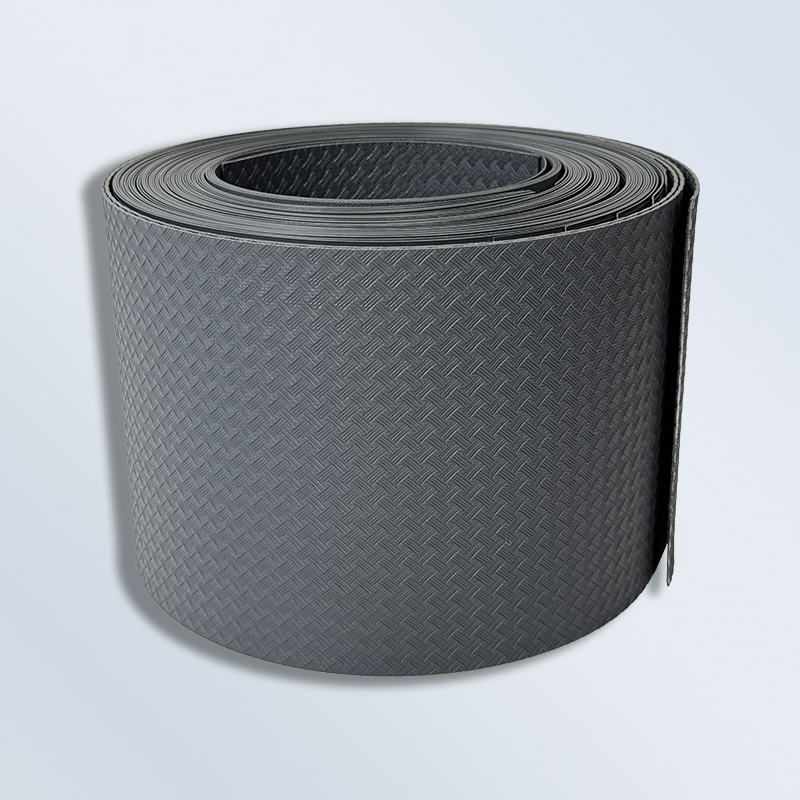
Polypropylene (PP) is widely used for fence tapes due to its light weight and moderate strength, but standard PP degrades rapidly under sunlight—turning brittle, chalking, and cracking within months. Hard PP fence tape, however, is engineered for extended outdoor life. The difference lies in polymer stabilization, additive packages, and manufacturing processes that combat ultraviolet (UV) attack. Below, we explain the science and provide direct parameter comparisons.
1. UV Degradation Mechanism: Why Standard PP Fails Fast
Standard polypropylene contains tertiary carbon atoms that are highly susceptible to photo-oxidation. When UV radiation (particularly 290-400 nm) hits unmodified PP, it creates free radicals that break polymer chains. Results: tensile strength loss >50% in 6-12 months of outdoor exposure. Hard PP fence tape incorporates hindered amine light stabilizers (HALS) and UV absorbers to scavenge free radicals before they damage the polymer matrix.
2. Key Parameter Comparison: Hard PP Fence Tape vs. Standard PP Tape
The table below quantifies the UV resistance and mechanical retention differences between standard PP tape and genuine hard PP fence tape.
| Property |
Standard PP Tape |
Hard PP Fence Tape (UV-Stabilized) |
| UV Stabilizer Package |
None or low-dose (0.1-0.3% HALS) |
High-performance: 0.8-1.5% HALS + Carbon black or TiO₂ |
| Initial Tensile Strength (ASTM D882) |
3,500 – 4,500 psi |
5,000 – 6,500 psi (higher crystallinity) |
| Tensile Strength Retention after 1000h QUV (ASTM G154) |
≤ 45% of original |
≥ 85% of original |
| Elongation at Break (Initial) |
150 – 250% |
80 – 120% (harder, less creep) |
| Elongation Retention after UV exposure |
Drops to <20% (brittle) |
Remains ≥ 60% |
| Surface Degradation (Chalking / Cracking) – 2 years outdoor |
Severe chalking, micro-cracks |
Slight to none (gloss retention good) |
| Typical Service Life (full sun, temperate climate) |
6 – 12 months |
5 – 8 years |
3. Why “Hard” Matters: Crystallinity and UV Resistance
The term “hard” in hard PP fence tape refers to higher crystallinity (typically 65-75% vs. 45-55% for standard PP). Higher crystallinity reduces the amorphous regions where UV attack begins. Additionally, hard PP is produced using controlled cooling and orientation during extrusion, creating a denser surface layer that reflects more UV. Standard PP is often quenched rapidly, leaving more defects and unsaturation that absorb UV and initiate degradation.
4. Additive Synergy: How Hard PP Fence Tape Outperforms
Premium hard PP fence tape uses a three-part stabilization system:
- Hindered Amine Light Stabilizers (HALS) – Regenerative free-radical scavengers.
- UV absorbers (benzotriazoles or triazines) – Convert UV into harmless heat.
- Pigments (carbon black or rutile TiO₂) – Physical UV blockers. Carbon black (2-3% loading) provides exceptional UV protection but limits color to black/grey.
Standard PP tapes lack this synergy; they may contain only a trace of calcium carbonate filler (which accelerates UV damage) and no HALS.
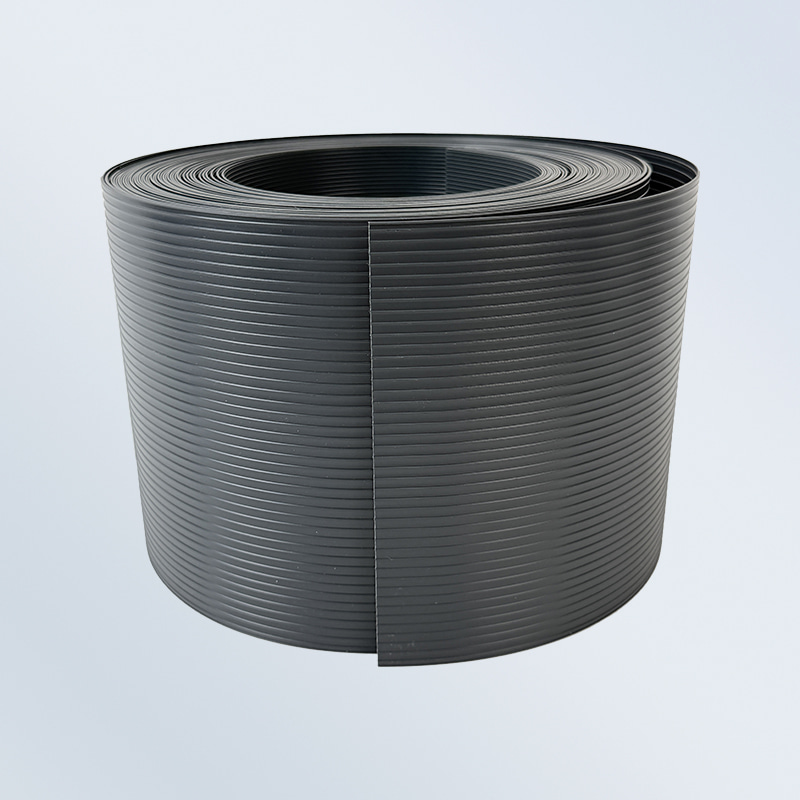
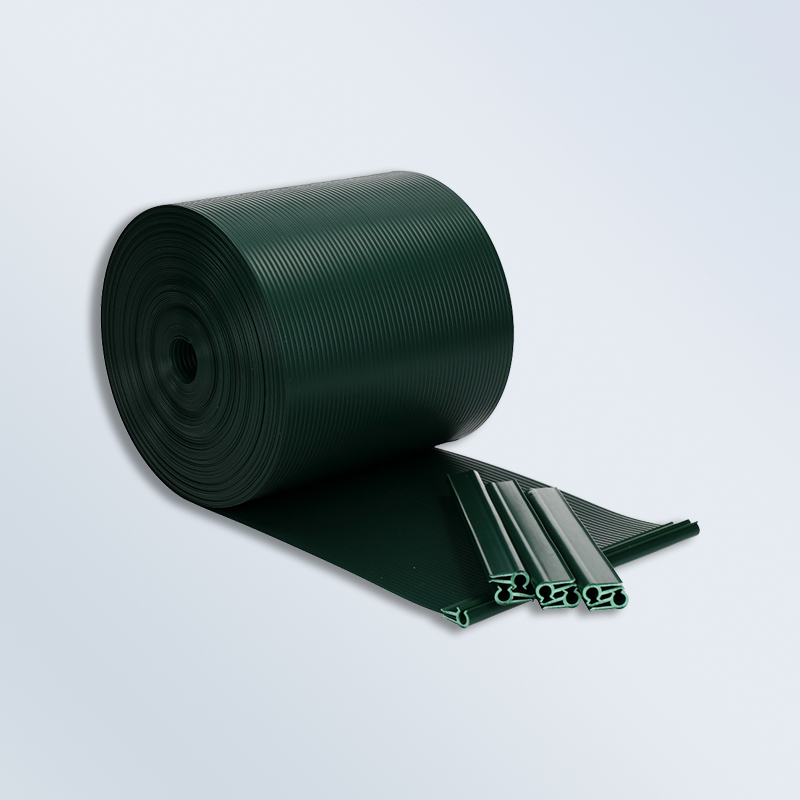
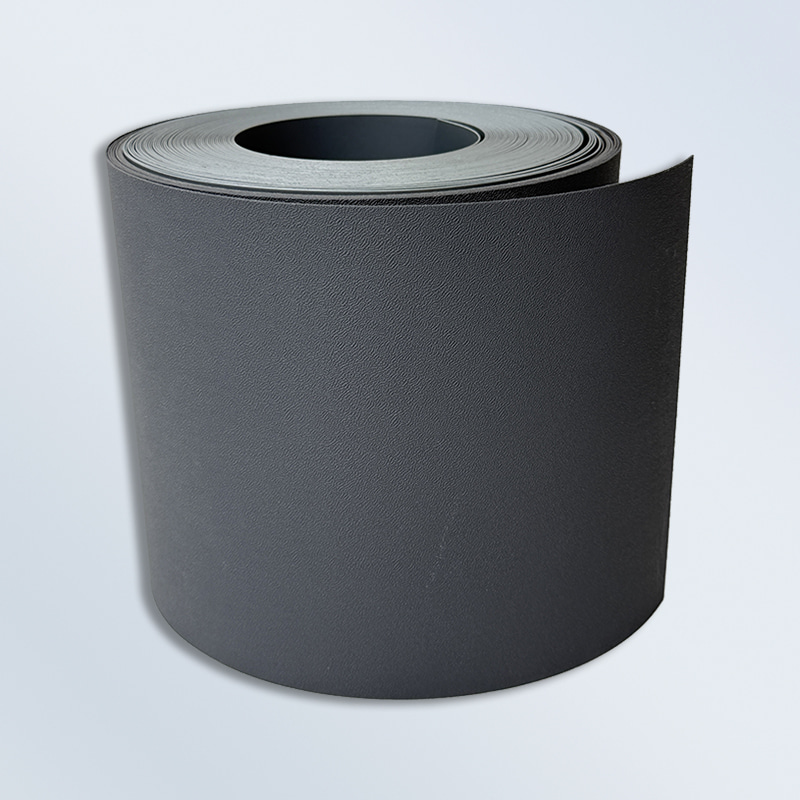
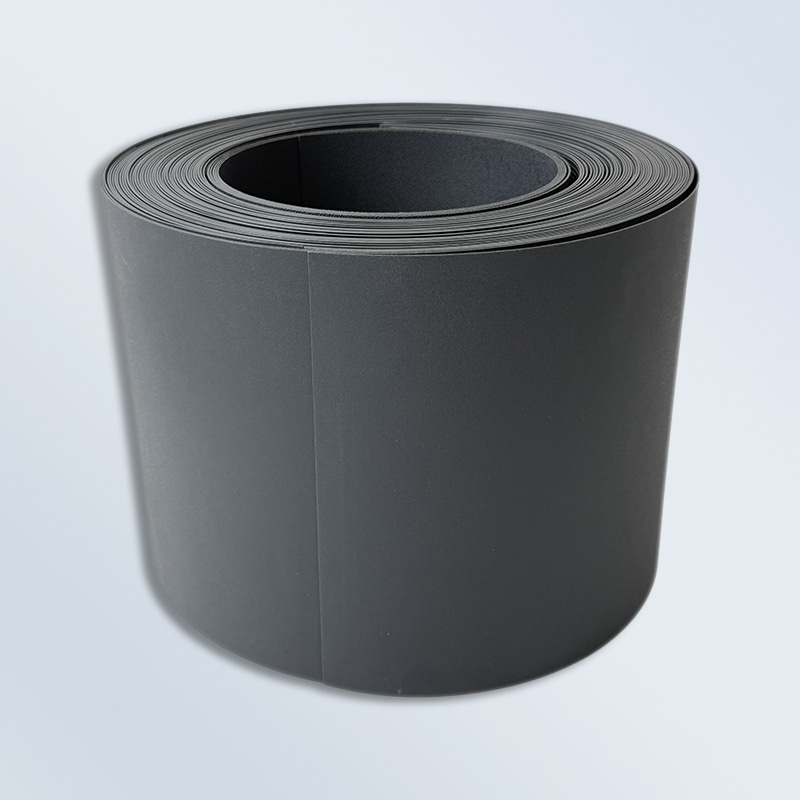
For long-lasting perimeter control, explore our hard PP fence tape range with documented UV stability.
5. Real-World Performance: Agricultural and Construction Use
In agricultural trials (Arizona 5-year outdoor exposure), hard PP fence tape retained 72% of its breaking strength while standard PP tape became unusable after 8 months. For temporary construction fencing, hard PP tape can be reused 3-4 seasons; standard PP tape must be replaced every few months. The higher initial cost of hard PP (typically 30-50% more) pays back within the first year through reduced labor and material replacement.
Frequently Asked Questions (FAQ)
- Q1: Can I add my own UV spray coating to standard PP tape to make it perform like hard PP fence tape?
A: No. Surface coatings degrade rapidly and do not penetrate the bulk polymer. UV damage occurs throughout the tape thickness. Only integrated stabilizers (compounded into the resin before extrusion) provide long-term protection. Aftermarket sprays last weeks at most.
- Q2: Does hard PP fence tape become brittle in freezing temperatures even with UV stabilizers?
A: Hard PP has a higher glass transition temperature (Tg ~0°C to -10°C) than standard PP. Below -10°C (14°F), it becomes stiffer but does not become brittle if properly stabilized. For arctic conditions, seek impact-modified hard PP (copolymer blend) that retains flexibility down to -30°C.
- Q3: How can I visually distinguish hard PP fence tape from standard PP tape at a job site?
A: Three quick checks: 1) Surface feel – Hard PP is smoother and more waxy; standard PP feels softer. 2) Bend test – Hard PP resists creasing; standard PP creases easily. 3) Float test – Both float, but hard PP sinks slightly faster in water due to higher density (~0.94 g/cm³ vs. ~0.90 g/cm³ for standard). For certainty, look for manufacturer's UV-stabilized label with hours of QUV testing.




 Español
  Deutsch