What is the difference between injection molded and blow molded plastic products?
Modern manufacturing industries rely heavily on plastic products because of their versatility, lightweight structure, corrosion resistance, and cost-effective production advantages. From municipal engineering materials to industrial structural components, plastic processing technologies have evolved into highly specialized systems capable of producing products with different shapes, strengths, and functional properties. Among the many manufacturing methods available today, injection molding and blow molding are two of the most widely used techniques for producing industrial and consumer plastic components.
The choice between injection molding and blow molding depends on product structure, material requirements, production volume, dimensional precision, and end-use applications. While both technologies process thermoplastic materials into usable forms, they differ significantly in tooling design, production procedures, material distribution, and final product performance. Understanding these differences is essential for manufacturers, engineers, and buyers seeking reliable and customized plastic products for industrial or commercial applications.
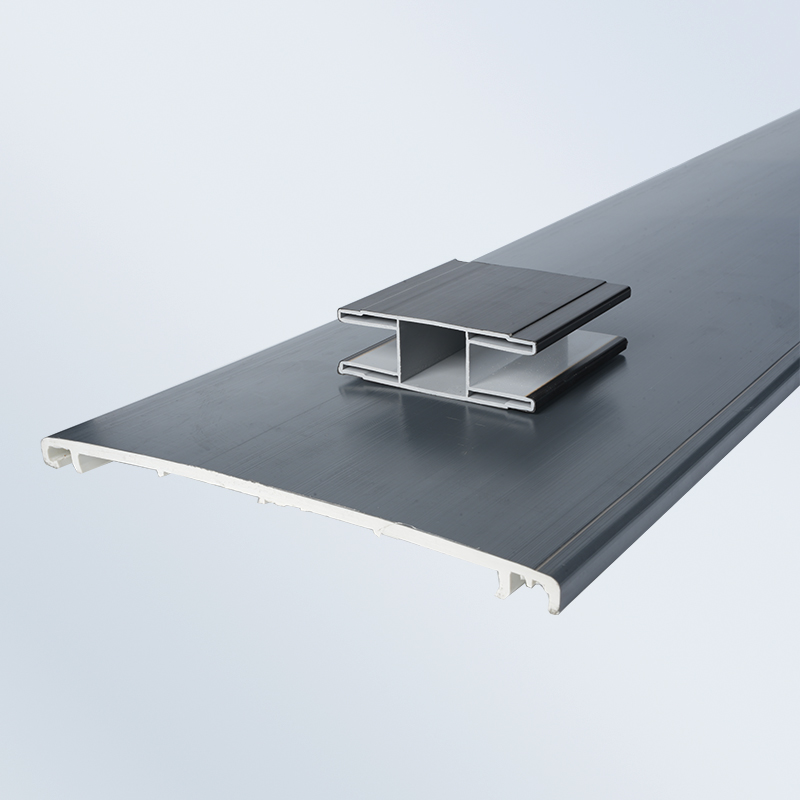
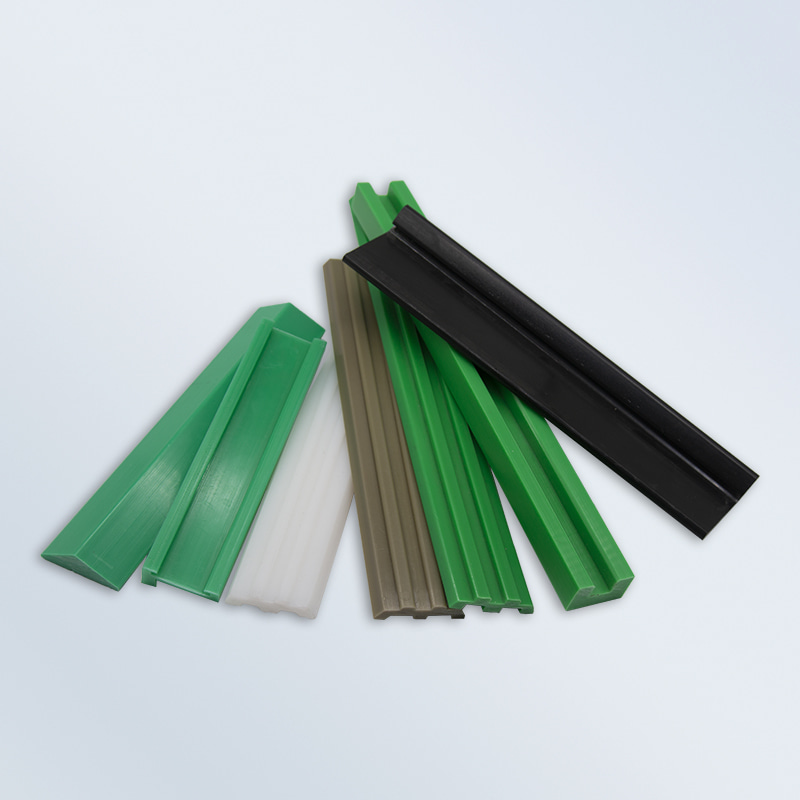
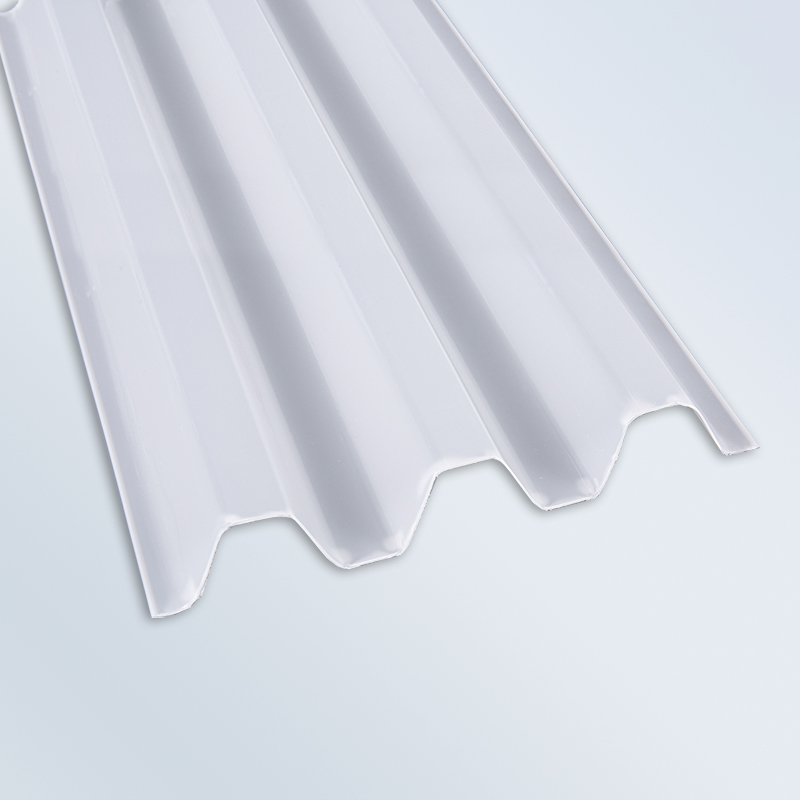
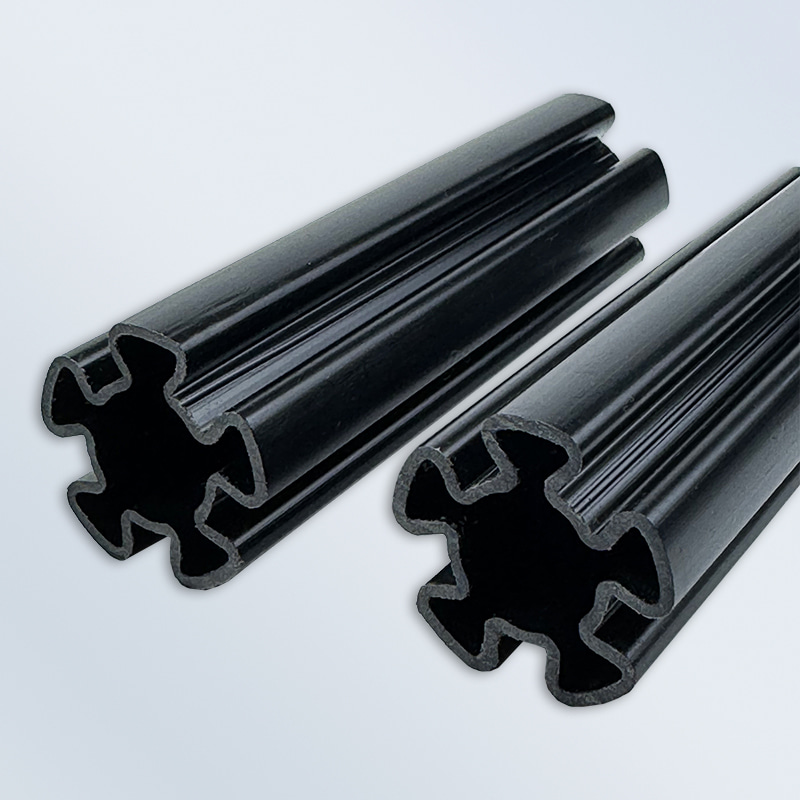
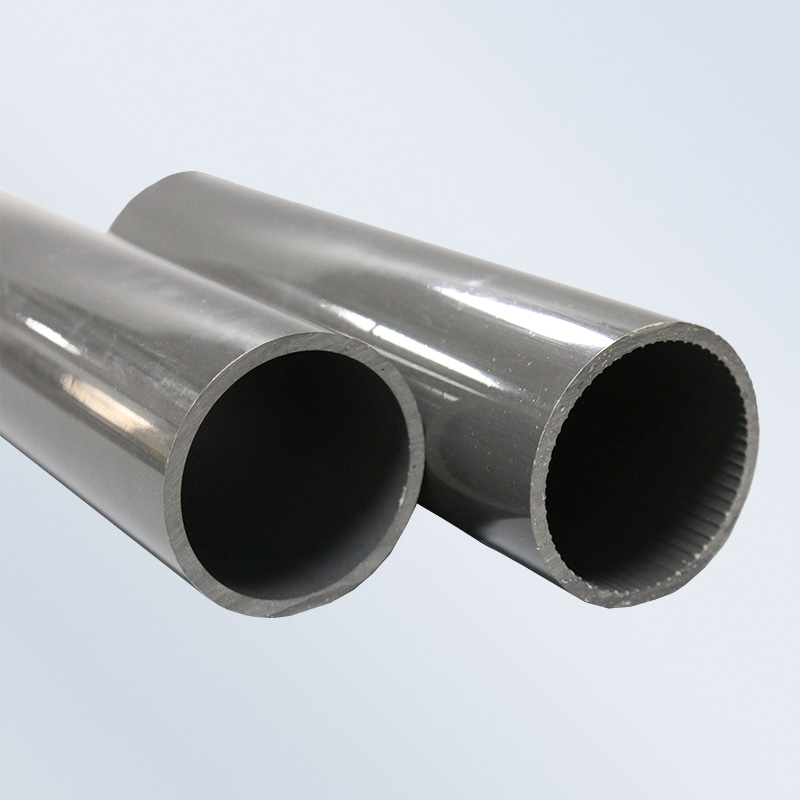
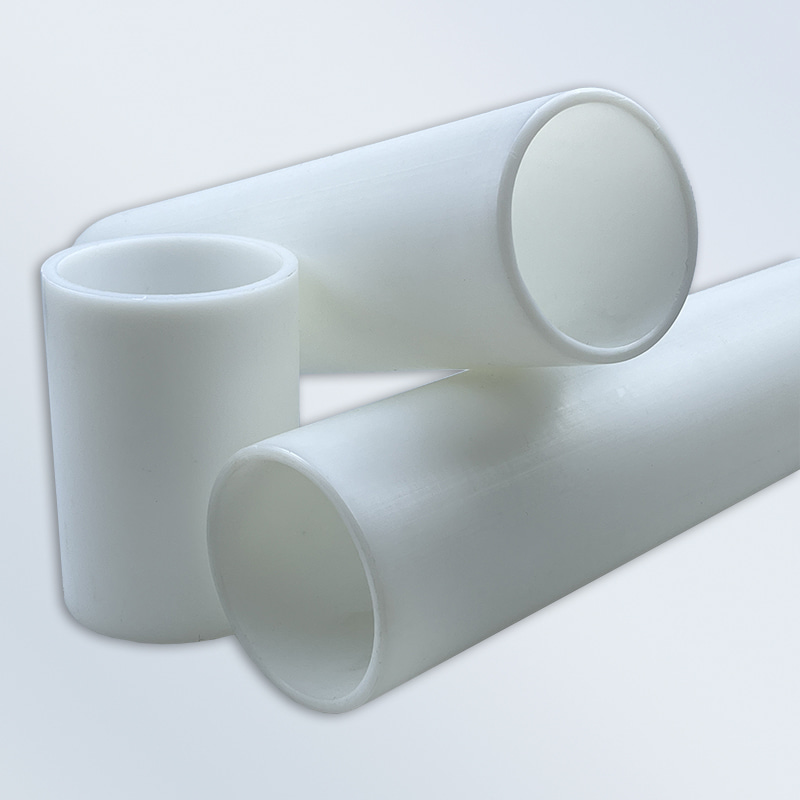
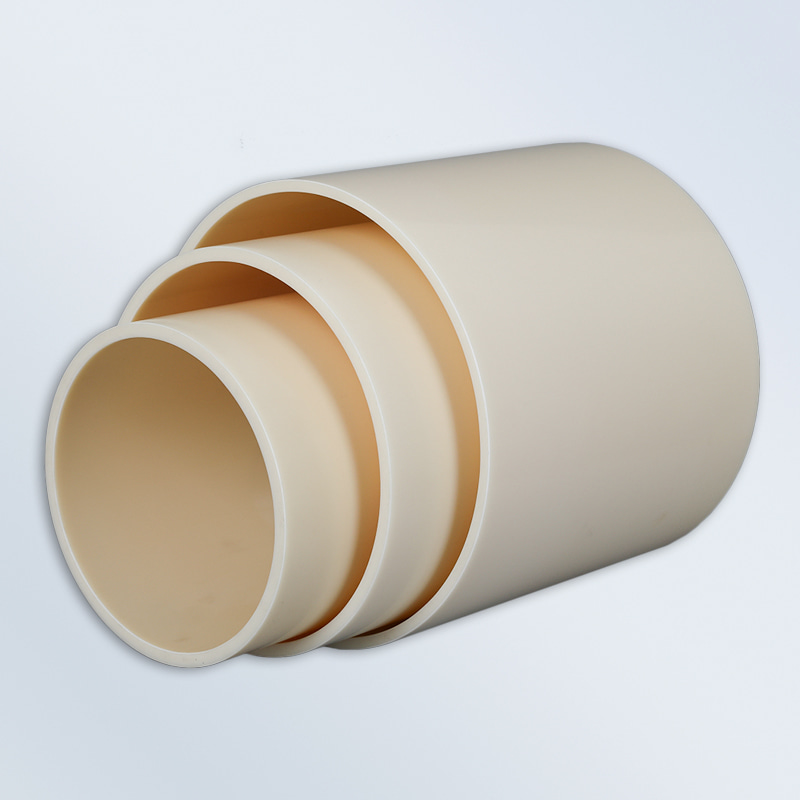
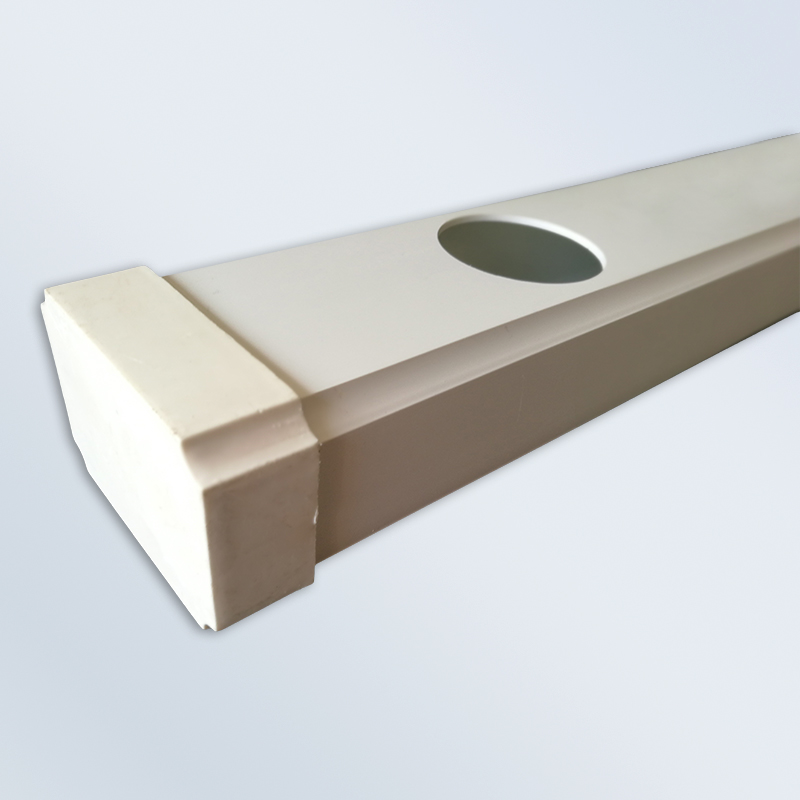
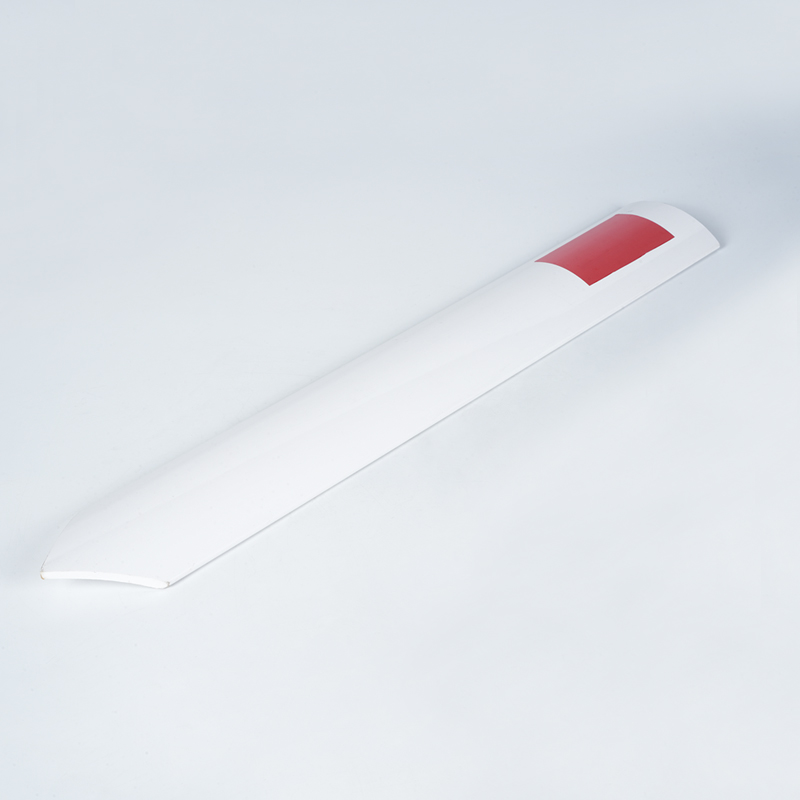
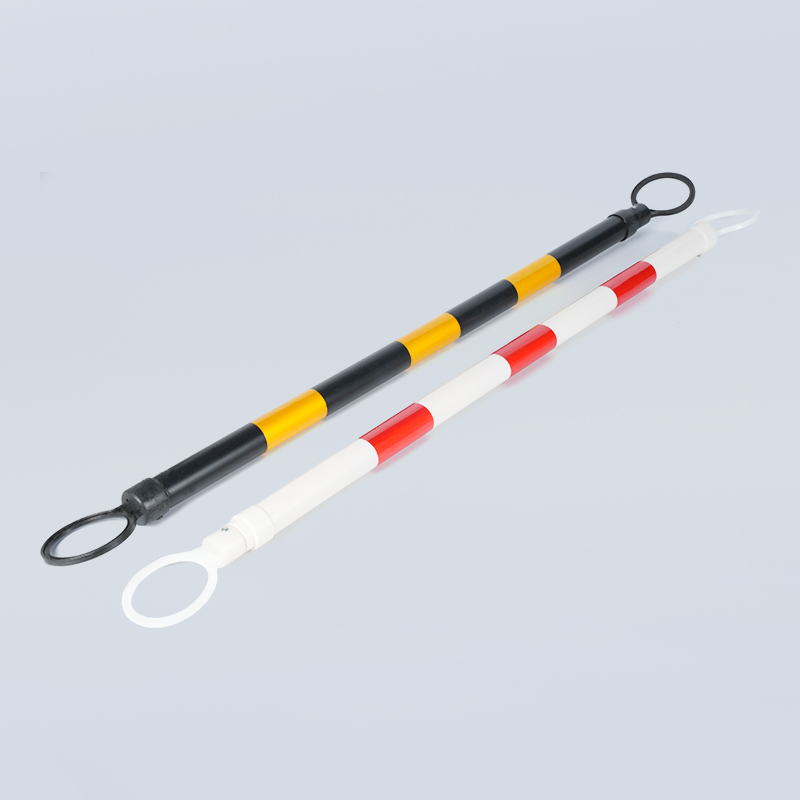
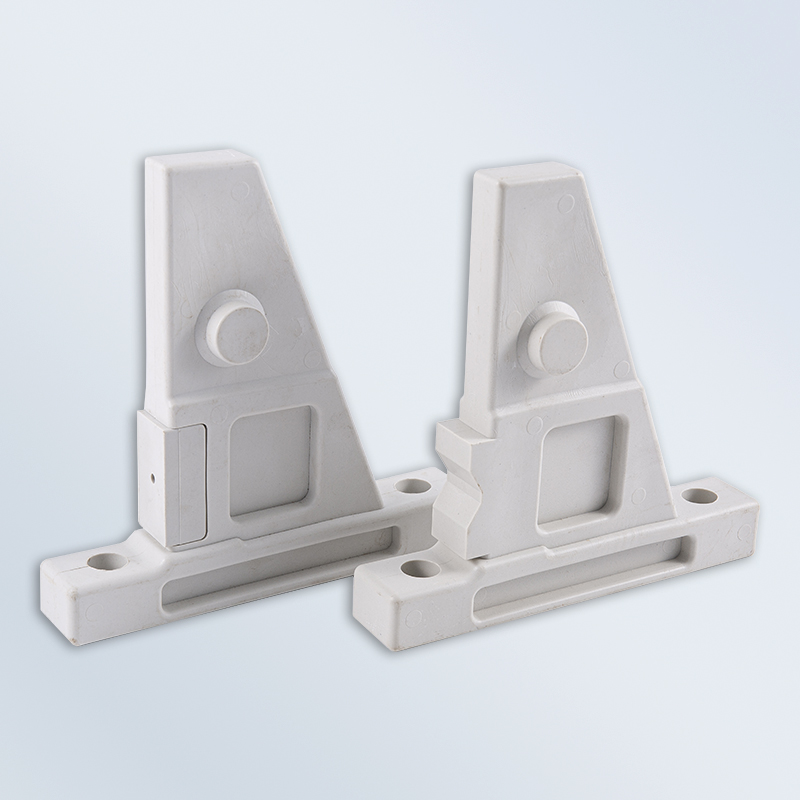
Plastic products manufactured through extrusion, injection molding, and other processing technologies form a diversified product range. These products include traffic facilities such as PVC delineators, traffic cone connecting rods, and lawn edging, as well as building profiles including PVC extrusion profiles for windows, foam PVC profiles, and PVC hydroponic pipes. Special components like UHMW PE wear strips, PVC core pipes, and injection molded accessories also play an important role in industrial manufacturing. Functional structural materials including transparent profiles and pool waterfall profiles further demonstrate the adaptability of modern plastics processing technology.
Understanding Injection Molding Technology
Injection molding is a manufacturing process in which melted plastic material is injected into a precisely designed mold cavity under high pressure. After cooling and solidification, the molded component is ejected from the mold and prepared for finishing or assembly. This process is widely used for producing solid components with complex geometries, detailed surface textures, and high dimensional consistency.
Injection molding is especially suitable for manufacturing engineering components, industrial housings, pipe fittings, storage containers, protective covers, and structural parts. The process supports various thermoplastic materials including PP, PVC, ABS, nylon, and other engineering plastics. Due to the high precision of mold cavities, manufacturers can produce products with excellent repeatability and minimal dimensional deviation.
One major advantage of injection molding is its ability to produce highly detailed designs with consistent wall thickness. Components manufactured using this method often have superior mechanical strength and stable structural integrity. Injection molding also allows manufacturers to integrate multiple design features such as ribs, screw holes, clips, and reinforcement structures directly into the product during production.
- High dimensional accuracy
- Excellent surface finish
- Efficient mass production capability
- Wide material compatibility
- Strong customization flexibility
- Suitable for complex geometries
Many industrial sectors prefer injection molding for producing durable plastic products because the process offers reliable repeatability and stable production efficiency. Products manufactured through injection molding are commonly found in construction, agriculture, transportation, household equipment, and industrial machinery applications.
Understanding Blow Molding Technology
Blow molding is another important plastic manufacturing method used primarily for producing hollow plastic parts. In this process, heated plastic material is formed into a tube-like structure and then inflated with air inside a mold cavity. The air pressure pushes the plastic against the mold walls, creating hollow shapes after cooling and solidification.
Blow molding is commonly used for producing bottles, containers, tanks, ducts, hollow pipes, and lightweight storage systems. Compared with injection molding, blow molding is better suited for products that require hollow internal structures and reduced material consumption. The technology allows manufacturers to create lightweight products while maintaining adequate strength and durability.
Blow molded products often feature seamless hollow construction, which is highly beneficial for liquid storage and transportation applications. Since the process uses air pressure to form the shape, blow molded components can be produced with relatively thin walls while maintaining functional stability. The method is especially efficient for large-volume production of hollow items.
- Efficient production of hollow components
- Reduced material usage
- Lightweight product structure
- Good impact resistance
- Lower production costs for containers
- Suitable for large-scale manufacturing
The increasing demand for lightweight industrial systems and packaging solutions has significantly expanded the market for blow molded plastic products. Industries such as agriculture, chemical storage, automotive systems, and consumer goods frequently rely on blow molding technology to improve transportation efficiency and reduce manufacturing costs.
Major Differences Between Injection Molded and Blow Molded Products
Although injection molding and blow molding both process thermoplastic materials, the two technologies differ greatly in manufacturing principles, product structure, tooling systems, and application scenarios. Selecting the appropriate process requires careful evaluation of product requirements and operational conditions.
| Comparison Item |
Injection Molding |
Blow Molding |
| Product Structure |
Primarily solid components |
Mainly hollow components |
| Production Method |
Plastic injected into mold cavity |
Plastic inflated with air pressure |
| Wall Thickness |
More uniform and precise |
May vary depending on inflation |
| Dimensional Precision |
Very high |
Moderate |
| Common Applications |
Industrial parts, fittings, housings |
Bottles, tanks, hollow containers |
| Material Efficiency |
Higher material use |
Reduced material consumption |
| Tooling Complexity |
More complex molds |
Relatively simpler molds |
Injection molding provides greater precision and structural complexity, making it ideal for engineering parts requiring exact dimensions and strong load-bearing performance. Blow molding, on the other hand, offers better efficiency for producing lightweight hollow products. The selection between the two methods ultimately depends on functional requirements, cost considerations, and production objectives.
Material Selection for Different Plastic Manufacturing Processes
Material selection plays a decisive role in the performance, durability, and manufacturing efficiency of plastic components. Different materials demonstrate different flow characteristics, impact resistance, flexibility, and environmental adaptability during injection molding and blow molding operations.
Commonly used materials include PP, PVC, ABS, nylon, and polyethylene variants. PP materials are valued for their lightweight properties and chemical resistance, while PVC materials offer excellent weather resistance and structural stability. ABS provides strong impact resistance and dimensional consistency, making it suitable for engineering components. Nylon materials are widely used for wear-resistant industrial applications.
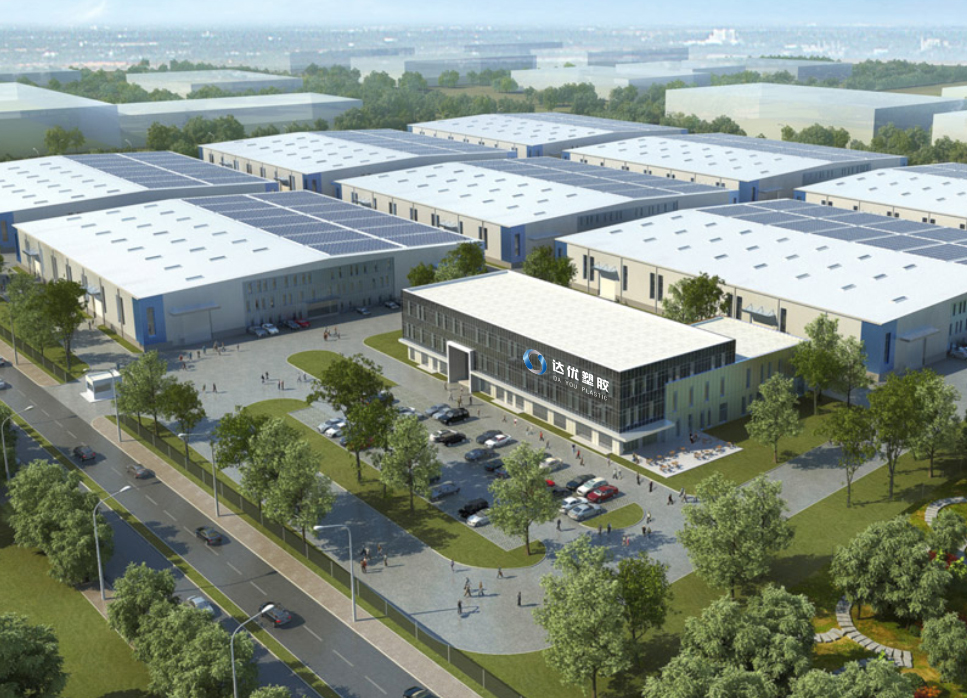
At Zhejiang Huzhou Dayou Plastic Technology co.,ltd., the manufacturing process focuses heavily on raw material optimization and polymer formulation research. The company has extensive experience in extrusion, injection molding, and blow molding applications, enabling it to produce customized industrial solutions for various industries. Through years of research and production practice, the company has developed advanced expertise in material modification, product performance enhancement, and process optimization.
| Material |
Main Characteristics |
Typical Applications |
| PP |
Lightweight and chemical resistant |
Containers, industrial parts |
| PVC |
Weather resistant and durable |
Profiles, pipes, traffic facilities |
| ABS |
Strong impact resistance |
Engineering housings |
| Nylon |
Excellent wear resistance |
Mechanical components |
The ability to customize material formulations is one of the most important factors influencing the quality of modern plastic products. Depending on environmental conditions and application requirements, manufacturers may incorporate UV resistance, high-temperature resistance, chemical corrosion resistance, or enhanced impact performance into the final material system.
Applications of Injection Molded and Blow Molded Products
Injection molded and blow molded products are widely used across numerous industries because of their flexibility, durability, and production efficiency. Their application range continues to expand as manufacturers seek lightweight and corrosion-resistant alternatives to traditional materials.
Injection molded components are commonly used in traffic systems, industrial machinery, building accessories, agricultural irrigation equipment, and consumer products. Examples include pipe connectors, protective covers, engineering brackets, customized fittings, and structural profiles. These products benefit from precise dimensions and high mechanical strength.
Blow molded products are often applied in liquid storage systems, agricultural tanks, hollow industrial containers, ventilation ducts, and packaging industries. Their lightweight hollow structure reduces transportation costs while maintaining functional reliability.
- Municipal engineering systems
- Construction materials
- Agricultural irrigation equipment
- Industrial manufacturing components
- Daily household products
- Transportation facilities
Plastic products are increasingly customized according to application requirements. Manufacturers today emphasize flexibility in shape, dimensions, appearance, and surface treatment to satisfy industry-specific performance standards. Surface finishing options such as matte textures, smooth finishes, and coating treatments further improve product appearance and usability.
Zhejiang Huzhou Dayou Plastic Technology co.,ltd. supports customized production services for irregular, tubular, and sheet structures according to customer requirements. Through flexible production systems and short lead-time delivery capabilities, the company provides tailored plastic solutions suitable for industrial engineering, building systems, and specialized functional applications.
Advantages of Custom Plastic Manufacturing Solutions
Modern industrial projects often require customized products rather than standardized components. Custom plastic manufacturing allows clients to optimize product dimensions, material properties, appearance, and structural functionality according to specific operational needs.
Customized manufacturing begins with requirement analysis and technical consultation. Clients provide information regarding dimensions, material preferences, environmental conditions, and functional objectives. Engineers then develop optimized design solutions to ensure manufacturability and long-term performance.
The design stage is followed by production and quality control procedures. During production, manufacturers monitor dimensional consistency, surface quality, structural integrity, and material performance. Final products undergo strict inspection before delivery to ensure compliance with technical specifications.
- Requirement analysis and consultation
- Design optimization and confirmation
- Production and quality inspection
- Delivery and after-sales support
The demand for customized plastic products continues to increase because industries require specialized solutions capable of meeting changing technical and environmental requirements. Custom manufacturing also enables greater flexibility in product innovation and application development.
Zhejiang Huzhou Dayou Plastic Technology co.,ltd. emphasizes quality-first manufacturing principles while maintaining respect for individual employee contributions and collaborative teamwork. With more than ten years of industry experience, the company provides customized production solutions using advanced extrusion, injection molding, and blow molding technologies. Its products are currently exported to more than 60 countries worldwide, demonstrating strong international manufacturing capabilities and reliable quality management systems.
Future Trends in Plastic Manufacturing Technology
The plastic manufacturing industry is continuously evolving toward higher efficiency, environmental sustainability, and enhanced product performance. Manufacturers are increasingly focusing on recyclable materials, energy-efficient production systems, and optimized process control technologies to reduce waste and improve resource utilization.
Advanced automation systems are improving production consistency and reducing manufacturing errors. Smart monitoring technologies enable manufacturers to maintain stable product quality while increasing production efficiency. At the same time, material innovations are creating stronger, lighter, and more environmentally adaptable plastic systems suitable for modern engineering applications.
The integration of customized manufacturing with advanced polymer technology is also expanding product diversity. Modern industries demand materials capable of withstanding UV exposure, chemical corrosion, moisture, and temperature variations while maintaining lightweight performance characteristics.
As environmental awareness increases, manufacturers are paying closer attention to sustainable production practices and recyclable material development. This trend is expected to shape the future direction of industrial plastics processing technologies across global markets.
Conclusion
Injection molding and blow molding are both essential manufacturing technologies within the plastics industry, but each serves different production objectives and application requirements. Injection molding is ideal for producing solid, highly detailed, and dimensionally accurate components, while blow molding is more suitable for lightweight hollow structures with efficient material usage.
Understanding the differences between these technologies helps manufacturers and buyers select the most appropriate process for their specific applications. Factors such as product structure, material selection, dimensional precision, mechanical performance, and production efficiency all influence the final manufacturing decision.
With continuous advancements in polymer science and manufacturing technology, modern plastic products are becoming more durable, customizable, and environmentally adaptable. Companies with strong material research capabilities and diversified processing expertise are well positioned to provide innovative solutions for construction, transportation, agriculture, industrial engineering, and consumer applications.
FAQ
Q1: What is the main structural difference between injection molded and blow molded products?
Injection molded products are generally solid components with precise structural details, while blow molded products are typically hollow and lightweight. Injection molding is suitable for complex engineering parts, whereas blow molding is ideal for containers and hollow structures.
Q2: Which manufacturing process provides better dimensional accuracy?
Injection molding usually provides higher dimensional precision because the molten plastic is injected directly into a closed mold cavity under controlled pressure. This makes it suitable for products requiring exact tolerances and detailed structures.
Q3: What materials are commonly used in these plastic manufacturing processes?
Common materials include PP, PVC, ABS, nylon, and polyethylene variants. The material selection depends on required properties such as impact resistance, weather resistance, flexibility, and chemical stability.
Q4: Are customized plastic products available for industrial applications?
Yes. Manufacturers can customize dimensions, material formulations, colors, surface treatments, and structural designs according to customer requirements. Customized solutions are widely used in construction, agriculture, transportation, and industrial engineering.
Q5: Why are plastic products widely used in modern industries?
Plastic products are lightweight, corrosion resistant, durable, and highly customizable. These advantages make them suitable for numerous industrial and commercial applications while helping reduce transportation and maintenance costs.




 Español
  Deutsch