
 2026.05.22
 Industry News
Content
Creating a well-defined, secure, and visually pleasing garden boundary goes beyond simple aesthetics—it is a fundamental aspect of effective landscape management. For gardeners, small-scale farmers, and property owners, the choice of fencing material directly influences durability, maintenance costs, and the protection of plants and animals. Among the available options, Garden Hard PP (Polypropylene) Fence Tape has emerged as a superior alternative to traditional materials like metal wires, natural ropes, or standard plastic nets.
Unlike conventional fencing solutions that are prone to rust, rot, or UV degradation, Garden Hard PP Fence Tape is engineered for high-tensile strength, all-weather resistance, and long-term flexibility. Its unique polypropylene composition offers a balance of rigidity and pliability, allowing it to withstand physical impacts from wind, animals, or accidental contact while maintaining its structural integrity for years. Whether you are outlining raised vegetable beds, creating a lightweight enclosure for poultry, or reinforcing an existing perimeter, this tape provides a clean, professional finish without the sharp edges or sagging issues typical of wire fences.
To fully appreciate the technical advantages of Garden Hard PP Fence Tape, it is essential to compare its measurable properties against those of traditional fencing materials. The table below outlines key performance indicators based on standard material testing environments (e.g., UV exposure according to ASTM D4329, tensile strength per ASTM D882). These specifications demonstrate why polypropylene tape is increasingly preferred for demanding outdoor garden applications.
| Parameter | Garden Hard PP Fence Tape | Galvanized Iron Wire | Nylon/Polyester Rope | Standard LDPE Plastic Netting |
|---|---|---|---|---|
| Tensile Strength (typical, 25mm width) | ≥ 320 kg – 380 kg | 200 kg – 280 kg (prone to kinking) | 150 kg – 250 kg (varies with weave) | 40 kg – 80 kg |
| UV Resistance (hours to significant degradation) | ≥ 3000 hours (stabilized PP) | No UV degradation (but coating can fail) | 800 – 1200 hours (requires treatment) | 500 – 800 hours (often non-stabilized) |
| Flexural Modulus (stiffness/pliability) | 1200 – 1600 MPa (balanced flexibility) | 200 GPa (rigid, permanent deformation) | 0.5 – 2 GPa (elastic, can stretch) | Low (flimsy, easily torn) |
| Water Absorption (24h immersion) | < 0.01% (hydrophobic) | 0% (but rusts under coating) | 2% – 8% (weakens when wet) | < 0.01% (but degrades in sun) |
| Corrosion/Rust Resistance | Excellent (inert polymer) | Poor (galvanization wears) | Good (but absorbs moisture) | Excellent (plastic, but short life) |
| Expected Outdoor Lifespan | 5 – 8 years (visible strength retention) | 2 – 4 years (rust and brittleness) | 1 – 3 years (fraying and UV damage) | 1 – 2 years (shattering) |
| Installation Safety (risk of cuts/punctures) | Very low (smooth edges) | High (sharp cut ends and burrs) | Low (but can snag) | Moderate (may have sharp flash) |
The data above reveals clear, quantifiable benefits. The high tensile strength of the PP tape (over 320 kg) ensures it can withstand repeated pressure from leaning branches, animal pushes, or snow loads without snapping—a common failure point for nylon ropes. Its superior UV resistance (3000+ hours) means that even in high-sunlight regions, the tape will not become brittle or chalky, maintaining its flexibility for secure tensioning season after season.
Furthermore, the near-zero water absorption and excellent corrosion resistance directly address the two primary failure mechanisms of metal wires: rust and coating breakdown. While galvanized wire may initially appear cost-effective, once the zinc coating is scratched (inevitable during installation and tensioning), rust quickly propagates, leading to structural weakness and unsightly brown stains on posts or plants. Garden Hard PP Fence Tape, being entirely inert, eliminates this concern entirely.
Finally, the balanced flexural modulus (1200–1600 MPa) offers a practical advantage: the tape is stiff enough to remain straight between fence posts without sagging, yet pliable enough to wrap around corners or be secured with staples and cable ties. This eliminates the “memory” effect seen in metal wire, which tends to coil back into its spool shape, making installation frustrating and slow.
From a sustainability standpoint, Garden Hard PP Fence Tape offers a longer replacement cycle (5–8 years) compared to alternatives. Fewer replacements mean less material waste and lower long-term costs. While the upfront price of high-quality PP tape is generally comparable to galvanized wire, the total cost of ownership—including labor, replacement materials, and damage mitigation—is significantly lower. Additionally, polypropylene is widely recyclable (resin code 5), and many manufacturers offer take-back programs or accept clean tape at recycling centers, unlike rusted wire which is often sent to landfills due to contamination.
In summary, the decision to use Garden Hard PP Fence Tape is not merely a matter of personal preference; it is an evidence-based choice supported by material science. The combination of high tensile strength, exceptional UV stability, zero water absorption, and balanced flexibility directly translates to real-world performance: a safe, durable, and low-maintenance garden boundary that outlasts traditional options by years. The following sections will detail how to select the correct width and length for your project, provide a step-by-step installation guide, and offer expert tips for maximizing the service life of your fence tape.
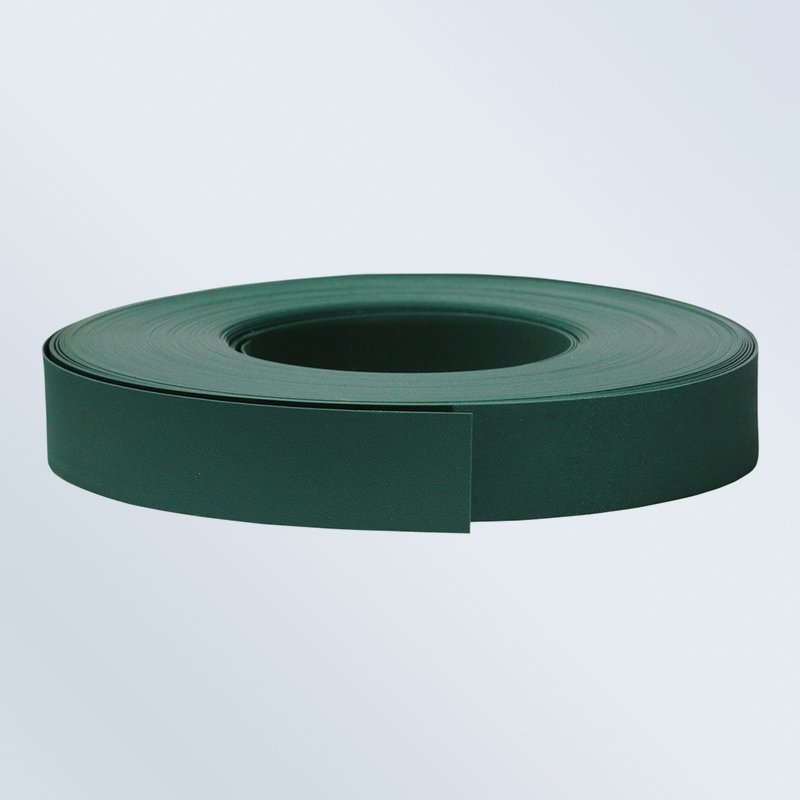
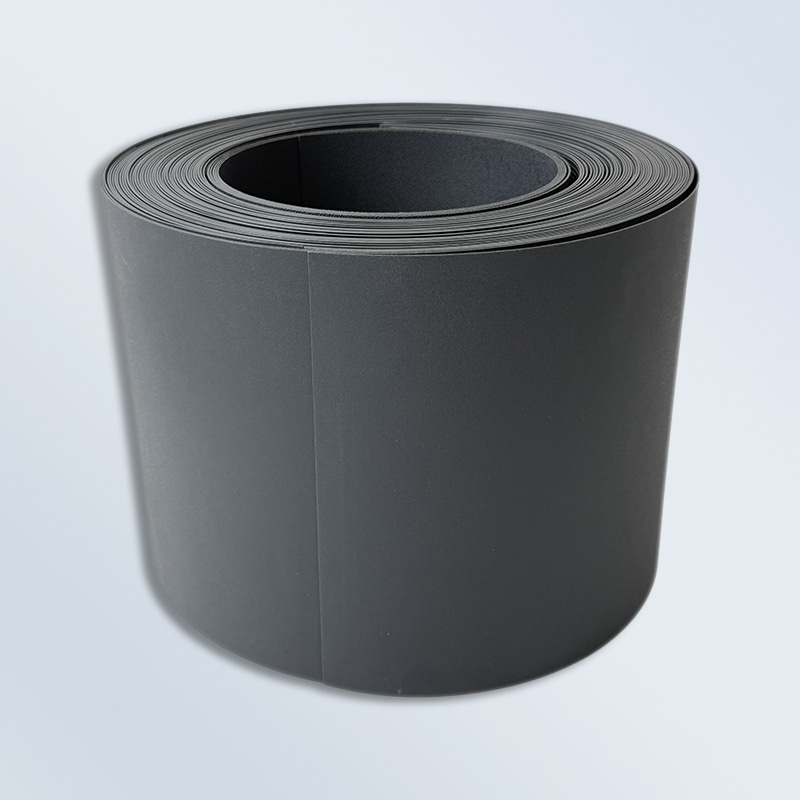
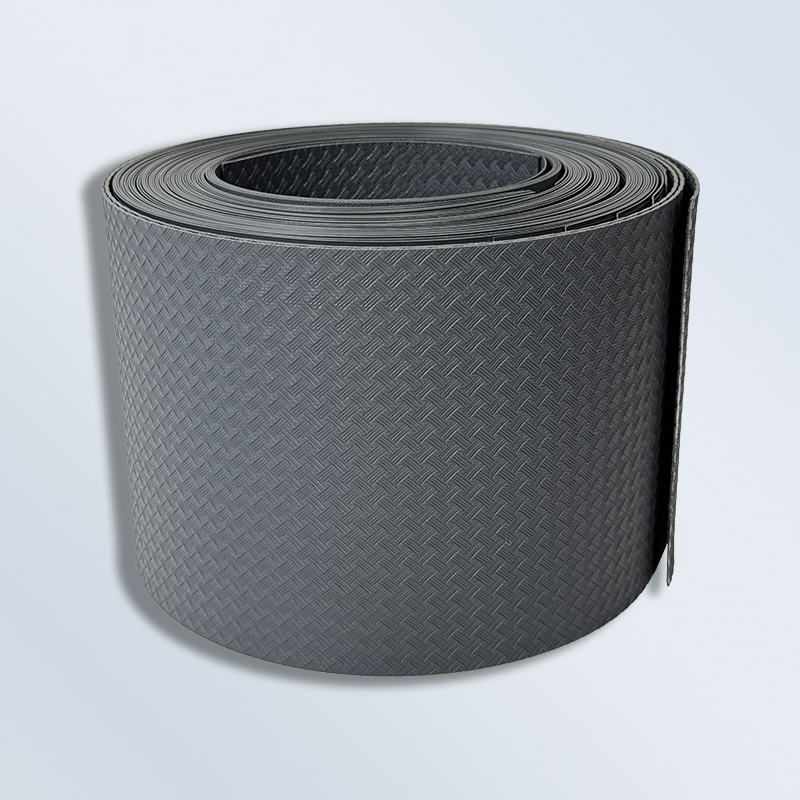
Garden Hard PP Fence Tape is a specialized, industrial-grade flat strap manufactured from virgin or highly stabilized polypropylene (PP) homopolymer, designed specifically for outdoor garden and agricultural boundary applications. Unlike round ropes, wires, or nets, this tape features a rectangular cross-section (typically 12mm to 50mm in width and 0.5mm to 2.0mm in thickness) that maximizes surface contact while minimizing material volume. The term "Hard" in its name refers to the high flexural modulus of the PP resin used — typically between 1200 and 1600 MPa — which gives the tape a semi-rigid feel, allowing it to span longer distances between fence posts without sagging, yet remaining flexible enough to conform to corners and be tied into secure knots.
Authentic Garden Hard PP Fence Tape is produced through a slit-film extrusion or woven-tape extrusion process, where molten polypropylene is stretched into a thin sheet, then longitudinally cut into precise widths. This stretching (orientation) aligns the polymer chains, dramatically increasing tensile strength while maintaining elongation at break below 20% — meaning the tape resists permanent stretching under load. Critical to its outdoor performance is the incorporation of UV stabilizers (typically hindered amine light stabilizers — HALS) and carbon black (2-3% by weight), which absorb or neutralize ultraviolet radiation. Without these additives, standard PP degrades within 6-12 months of sunlight exposure; with proper stabilization, Garden Hard PP Fence Tape achieves 3,000+ hours of accelerated UV testing (equivalent to 5-8 years of real-world temperate climate exposure).
To understand exactly what this product is and how it behaves in real conditions, the table below breaks down its measurable characteristics compared to common look-alike materials. These values are based on standardized testing methods (ASTM D882 for tensile, ISO 4892-2 for UV aging).
| Parameter | Garden Hard PP Fence Tape (Quality Grade) | Standard LDPE Packing Tape (Misused as Fencing) | Recycled PP Fence Tape (Low Quality) |
|---|---|---|---|
| Base Polymer | Virgin PP homopolymer + HALS + carbon black | LDPE (Low Density Polyethylene) — soft, no UV pack | Mixed post-industrial PP, often unstabilized |
| Tensile Strength (25mm width) | 320 – 420 kgf (kilogram-force) | 60 – 90 kgf (stretches permanently) | 120 – 180 kgf (uneven due to contaminants) |
| Elongation at Break | 12% – 20% (minimal creep) | 200% – 400% (becomes loose quickly) | 8% – 30% (inconsistent) |
| UV Resistance (Hours to Failure) | ≥3,000 hours (ASTM G154) | 150 – 300 hours (turns to powder) | 300 – 800 hours (varies by batch) |
| Flexural Modulus | 1,200 – 1,600 MPa (firm but flexible) | 150 – 250 MPa (floppy, noodle-like) | 800 – 1,200 MPa (often brittle) |
| Water Absorption (24h) | < 0.01% — fully hydrophobic | < 0.01% (but degrades in sun faster) | 0.1% – 0.5% (exposed fillers absorb moisture) |
| Working Temperature Range | -20°C to +80°C (no brittleness in frost) | -30°C to +60°C (but soft when warm) | -10°C to +70°C (may snap when cold) |
| Resistance to Chemicals (Fertilizers, Manure) | Excellent — inert to most acids, bases, salts | Moderate — swells in oils, solvents | Poor — fillers may leach or react |
The descriptor "Hard" in the product name is not arbitrary. In materials engineering, flexural modulus measures a material's resistance to bending. For reference:
This specific stiffness provides three concrete advantages: First, when stretched between fence posts spaced 1.5 to 2.5 meters apart, the tape resists sagging under its own weight or light wind loads. Second, it can be tensioned using a simple lever or tensioning tool without permanently deforming. Third, it maintains straight, clean lines that enhance garden aesthetics — unlike soft ropes that droop into catenary curves. However, it remains sufficiently flexible (unlike metal wire or fiberglass rods) to be coiled for storage, tied into knots, or wrapped around wooden posts without cracking.
Before purchasing, you can identify quality Garden Hard PP Fence Tape by observing several physical characteristics:
Clarifying exclusions helps prevent misuse and disappointment. This product is not:
Not all polypropylene fence tapes perform equally. The "Hard" designation indicates a specific quality tier based on three manufacturing choices:
Genuine Garden Hard PP Fence Tape meets all three quality criteria. When comparing products, request mill test reports showing tensile strength, elongation, and UV accelerated aging data. Reliable suppliers provide these without hesitation.
In essence, Garden Hard PP Fence Tape is a precision-engineered, UV-stabilized polypropylene tape optimized for permanent or semi-permanent outdoor fencing. Its defining characteristics — high tensile strength (≥320 kgf per 25mm width), controlled elongation (<20%), high flexural modulus (1200-1600 MPa), and extreme UV resistance (3000+ hours) — distinguish it from soft packing tapes, recycled economy tapes, and non-specialized polymers. Recognizing these specifications allows gardeners and property owners to select a product that delivers reliable performance over multiple seasons, reduces maintenance labor, and maintains visual cleanliness. The next section will expand on how to select the correct width and length for specific garden projects, and how to match tape specifications to application demands.
The practical superiority of Garden Hard PP Fence Tape emerges from a combination of intrinsic material properties and thoughtful engineering. Unlike generic fencing materials that excel in only one parameter (e.g., wire is strong but rusts; rope is flexible but sags), this tape balances multiple performance metrics simultaneously. Below, each core feature is explained with its corresponding measurable advantage and real-world application benefit.
Feature specification: Tensile strength of 320–420 kgf (kilogram-force) per 25mm width, with elongation at break limited to 12%–20%.
Engineering explanation: The biaxial orientation of polypropylene molecules during extrusion creates strong covalent bonds aligned along the tape's length. The low elongation means the tape resists permanent stretching ("creep") under sustained load.
Feature specification: Stabilized with 2-3% carbon black plus 0.5-1.0% Hindered Amine Light Stabilizers (HALS). Tested per ASTM G154 (UV fluorescent lamp exposure).
Engineering explanation: Carbon black absorbs UV radiation and converts it to harmless heat. HALS scavenge free radicals generated by UV exposure, preventing polymer chain scission. Without this dual protection, PP degrades via surface chalking, cracking, and loss of >50% tensile strength within 6-12 months.
Feature specification: Water absorption <0.01% after 24-hour immersion (ASTM D570). No metallic components.
Engineering explanation: Polypropylene has a surface energy of approximately 30 dynes/cm — lower than water's surface tension (72 dynes/cm). Water beads up and rolls off rather than penetrating the polymer matrix. No hydrolysis or oxidation reactions occur in wet environments.
Feature specification: Flexural modulus measured per ASTM D790. The tape bends without kinking and returns to original shape after load removal.
Engineering explanation: The "Hard" designation reflects a stiffness range that is 5-8 times stiffer than standard polypropylene strapping (which is 200-300 MPa) but 50-100 times more flexible than steel. This specific stiffness was selected through empirical testing to optimize three conflicting requirements: sag resistance between posts, ability to wrap around corners, and ease of knot-tying.
Feature specification: Extruded with die-cut rounded edges (radius >0.2mm). Food-grade PP resin meeting FDA or EU 10/2011 standards for indirect food contact.
Engineering explanation: Unlike slitting knives that leave sharp rectangular edges, quality PP fence tape uses profile extrusion dies with built-in edge rounding. This prevents micro-cuts on animal skin, plant stems, and installer hands. The polymer is chemically inert and releases no plasticizers, heavy metals, or migratory additives.
Feature specification: Resistance rating "Excellent" for pH 3–12 (acidic to alkaline), common agricultural chemicals, and biological decomposition products.
Engineering explanation: PP is a non-polar, saturated hydrocarbon polymer. It lacks ester, amide, or other functional groups that react with acids, bases, oxidizing agents, or hydrolytic enzymes. Swelling in organic solvents is minimal (<5% volume change in xylene or toluene).
The table below summarizes how Garden Hard PP Fence Tape compares against four common alternative fencing materials across eight critical performance criteria. Scores range from 1 (poor) to 5 (excellent).
| Performance Criterion | Garden Hard PP Tape | Galvanized Wire | Nylon/Polyester Rope | LDPE Plastic Netting | Natural Fiber (Jute/Coir) |
|---|---|---|---|---|---|
| UV Resistance (longevity) | 5 (5-8 years) | 3 (2-4 years before rust) | 2 (1-3 years) | 1 (1-2 years, shatters) | 1 (1 season, rots) |
| Maintenance Frequency | 5 (none required) | 2 (annual rust removal/re-coating) | 3 (re-tension every 3-6 months) | 2 (frequent repair of tears) | 1 (annual replacement) |
| Installation Speed | 5 (light, no tools required for cutting) | 2 (heavy, needs wire cutters and tensioners) | 4 (light but ropes tangle) | 3 (unrolls easily but tangles) | 3 (similar to rope) |
| Animal Safety (no cuts/abrasions) | 5 (smooth, rounded edges) | 2 (sharp ends and barbs) | 4 (soft but can snag) | 3 (some netting has sharp mold flash) | 3 (soft but fibers can be ingested) |
| Sag Resistance (spanning 2m) | 5 (<3cm sag) | 4 (varies with tension, permanent stretch in wire) | 2 ( >15cm sag) | 1 (nets sag and collect debris) | 3 (moderate sag, worsens when wet) |
| Chemical Resistance | 5 (inert to acids/bases/fertilizers) | 3 (rusts in acidic manure environments) | 3 (degrades in strong acids, absorbs oil) | 3 (similar to PP but less stabilizer) | 1 (rots from biological attack) |
| Temperature Stability (freeze-thaw) | 5 (no brittleness to -20°C) | 3 (wire becomes stiffer but functional) | 4 (nylon absorbs water, freezes stiff) | 2 (LDPE becomes brittle below -10°C) | 2 (wet fibers freeze solid, become brittle) |
| Total Cost of Ownership (5 years) | 5 (lowest, one purchase) | 3 (moderate, one replacement cycle) | 2 (higher, 2-3 replacements + labor) | 2 (higher, frequent replacement) | 1 (highest, annual replacement) |
While each feature provides independent value, their combination creates exponential advantages. For example:
Garden Hard PP Fence Tape is not a universal solution for every fencing need — it is deliberately optimized for permanent-to-semi-permanent garden, small farm, and boundary applications where UV exposure, moisture, and maintenance labor are primary concerns. The features above explain why professional landscapers, organic gardeners, and small livestock keepers increasingly specify this material. Subsequent sections will guide you through selecting the correct width and thickness for your specific project, with application-specific recommendations.
The versatility of Garden Hard PP Fence Tape stems from its balanced property profile — strong yet flexible, durable yet lightweight, weather-resistant yet easy to work with. Unlike specialized fencing materials that perform well in only one context (e.g., barbed wire for livestock, chicken wire for poultry), this tape adapts to a wide range of garden and landscape scenarios. Below, each application is analyzed in terms of specific demands, why PP tape is optimal, and practical implementation tips.
Application demands: Low-height perimeter fencing (30-60 cm) to define boundaries, deter small pests (rabbits, groundhogs, chickens), and provide trellising support. Materials must not leach toxins into soil, resist fertilizers and compost moisture, and allow easy seasonal reconfiguration.
Application demands: Enclosures require visible, non-injurious barriers that contain animals without causing leg abrasions, feather damage, or entrapment. Materials must resist pecking, scratching, and exposure to manure/urine. Predator deterrence (foxes, raccoons, hawks) is also a consideration.
Application demands: Rapid installation and removal, lightweight portability, no permanent ground disturbance, reusability across multiple seasons, and moderate strength for pedestrian or light vehicle warning barriers.
Application demands: Support heavy vining crops (pole beans, cucumbers, melons, climbing roses, kiwi) without cutting stems or requiring frequent retying. Material must resist fungal growth in humid canopy environments and not become brittle under weight stress.
Application demands: Low-height (5-15 cm) visible barriers to prevent grass encroachment into flower beds or gravel paths, define mowing edges, and provide a clean aesthetic transition between zones. Material must withstand string trimmer impacts and UV exposure at ground level.
Application demands: Enclosures for compost piles (leaf molds, food waste, manure aging) require airflow, moisture resistance, and chemical tolerance to acidic decomposition byproducts. Materials must not degrade from contact with hot compost (temperatures up to 70°C) or leach toxins into finished compost.
Application demands: On newly planted slopes or berms, lightweight barriers to hold mulch, straw, or erosion blanket in place while vegetation establishes. Material must be biodegradable-free (permanent solution) but flexible enough to conform to uneven terrain.
Application demands: Repairing broken or sagging sections of wire, wood, or rope fencing without full replacement. Materials must be compatible with existing posts and hardware, easy to splice, and blend visually with aged materials.
Application demands: Permanent or semi-permanent support for fruit trees (espalier), grapevines, or berry canes (raspberries, blackberries). Material must withstand years of UV exposure, support heavy fruit loads during harvest season, and allow quick release for pruning or replacement.
Different applications benefit from different tape dimensions. The table below provides width and thickness recommendations based on load requirements and visibility needs.
| Application Category | Recommended Tape Width | Recommended Thickness | Load Requirement (Typical) |
|---|---|---|---|
| Vegetable garden borders (low visibility) | 12 mm | 0.5 mm | <10 kgf (pest deterrence) |
| Raised bed trellising (light vines) | 12-20 mm | 0.6-0.8 mm | 10-30 kgf per strand |
| Poultry runs (chickens, ducks) | 20-25 mm | 0.8-1.0 mm | 30-50 kgf (animal impact) |
| Small animal enclosures (rabbits, guinea pigs) | 15-20 mm | 0.6-0.8 mm | 20-40 kgf |
| Temporary / seasonal fencing | 20-25 mm | 0.7-0.9 mm | Variable, reusable |
| Heavy trellising (tomatoes, cucumbers, melons) | 25 mm | 0.8-1.0 mm | 50-100 kgf (full fruit load) |
| Pathway edging | 25-35 mm | 1.0-1.2 mm | Low (impact from trimmers) |
| Compost bin enclosure | 25 mm | 0.8-1.0 mm | 20-40 kgf (bulk material pressure) |
| Orchard & vineyard training | 20-25 mm | 1.0-1.2 mm | 80-150 kgf per strand |
While versatile, Garden Hard PP Fence Tape has limitations. Do not use it for:
Garden Hard PP Fence Tape is not a single-purpose product — it is a flexible toolkit that adapts to dozens of garden and landscape scenarios. The key to success lies in matching tape width, thickness, and installation method to the specific demands of your project. The applications outlined above represent proven, field-tested uses across multiple climates and gardening styles. The following section will guide you through the selection process with detailed criteria for choosing the correct tape dimensions, colors, and accessories for your particular needs.
Selecting the optimal Garden Hard PP Fence Tape requires matching product specifications to your application's physical demands, environmental conditions, and expected lifespan. Unlike generic fencing materials where "one size fits most," PP fence tape comes in multiple width, thickness, length, and color variants — each optimized for different load requirements, post spacings, and aesthetic preferences. This section provides a systematic selection framework based on engineering principles and field experience.
Tape width is the single most important factor determining load capacity and animal containment effectiveness. Width directly correlates with tensile strength (wider tape = more polymer cross-section) and surface contact area (reducing pressure on plants or animal skin).
| Width (mm) | Tensile Strength Range (kgf) | Typical Applications | Recommended Post Spacing |
|---|---|---|---|
| 12 mm | 140 – 180 kgf | Light plant support (peas, beans); temporary garden marking; low-visibility boundaries; tying climbing roses. Not for animal containment. | 1.0 – 1.5 meters |
| 15 mm | 200 – 250 kgf | Small animal exclusion (rabbits, chickens — single strand); raised bed borders; orchard tree row marking; lightweight trellising. | 1.5 – 2.0 meters |
| 20 mm | 270 – 330 kgf | General garden fencing (flowers, vegetables); poultry enclosures (multiple parallel strands); temporary livestock pens (goats, sheep — 2-3 strands). | 2.0 – 2.5 meters |
| 25 mm | 320 – 420 kgf | Primary garden boundary fencing; dog containment (medium breeds); pig enclosures; permanent trellis systems; erosion control slopes. | 2.5 – 3.0 meters |
| 40 mm | 500 – 650 kgf | Large animal exclusion (cattle, horses — 2 strands); perimeter security fencing; windbreak support; heavy-duty orchard protection. | 3.0 – 4.0 meters (requires reinforced corner posts) |
| 50 mm | 650 – 800 kgf | Professional agricultural boundaries; equestrian fencing (with 3-4 strands); snow load areas; high-wind coastal installations. | 4.0 – 5.0 meters (requires steel or concrete posts) |
Selection rule of thumb: For applications involving animal pressure, select a tape width where the tensile strength exceeds the expected load by a factor of at least 3:1. For example, if a goat pushes with up to 80 kg of force, choose a tape with ≥240 kgf strength — making 20mm or 25mm width appropriate. For purely plant support, lower strengths suffice.
Thickness typically ranges from 0.5 mm to 2.0 mm. Thicker tape has higher stiffness (reduced sag) and greater abrasion resistance but is more difficult to tie knots and requires stronger fasteners. Thinner tape is easier to work with but sags more between posts.
| Thickness (mm) | Flexural Modulus Impact | Best Applications | Installation Notes |
|---|---|---|---|
| 0.5 – 0.7 mm | Low stiffness — noticeable sag; very flexible, easy knot tying. | Temporary fences, plant tying, greenhouse trellising, areas with frequent reconfiguration. | Use with close post spacing (≤2.0 m). Not recommended for permanent high-wind installations. |
| 0.8 – 1.0 mm | Medium stiffness — standard general-purpose thickness; recommended for most garden applications. | Permanent garden boundaries, small animal enclosures, orchard fencing, standard trellis systems. | Works with post spacing up to 2.5 m. Good balance of handling ease and sag resistance. |
| 1.1 – 1.5 mm | High stiffness — minimal sag under load; less flexible, requires more force for knotting. | Large animal containment (horses, cattle), long-span fencing (3-4 m post spacing), snow load regions. | Pre-tension using lever tools or ratchet tensioners. Use heavy-duty staples or bolts for fastening. |
| 1.6 – 2.0 mm | Very high stiffness — rigid strip behavior; difficult to tie knots (use mechanical connections). | Industrial/perimeter security fencing, high-impact areas, professional agriculture. | Requires steel posts, bolted connections, and come-along tensioners. Not for hand-tensioning. |
Choosing the correct roll length minimizes waste and ensures you have sufficient material without excessive leftover. Standard roll lengths include 50m, 100m, 200m, and 500m, with custom lengths available for large projects.
Formula for calculating required length:
Example calculation: A rectangular garden measuring 10m × 20m (perimeter = 60m) with 4 horizontal strands requires 60m × 4 = 240 meters. Add 10% (24m) = 264 meters. A 200m roll plus a 50m roll would be appropriate (250m total, slightly under — use 15% waste factor instead).
| Roll Length | Best Suited For | Typical Number of Strands | Approximate Coverage |
|---|---|---|---|
| 50 meters | Small raised beds (4'x8' gardens), single-strand visual boundaries, plant trellising, trial installations. | 1 – 2 strands | Up to 25 linear meters of fencing (single strand) or 12.5m with 2 strands. |
| 100 meters | Standard home garden perimeters, poultry runs (small), backyard orchard training. | 2 – 3 strands | 33-50 linear meters of fencing, depending on strand count. |
| 200 meters | Large vegetable gardens, small farm enclosures, multi-bay compost systems, erosion control projects. | 3 – 4 strands | 50-66 linear meters with 3-4 strands — typical for a 15m x 20m garden. |
| 500 meters | Commercial orchards, perimeter farm fencing, horse paddocks, large-scale landscaping. | 4 – 6 strands | 83-125 linear meters — a 25m x 50m enclosure or extensive trellis systems. |
Color choices affect visibility, heat absorption, UV longevity, and visual blending with landscape. Garden Hard PP Fence Tape is available in several standard colors, each with specific advantages.
| Color | UV Stabilizer Package | Visibility to Animals/Humans | Best Applications |
|---|---|---|---|
| Dark Green | Carbon black + HALS (highest UV protection) | Low visibility to humans (blends with foliage); moderate visibility to animals (contrasts with sky). | Residential gardens, landscape edging, forest boundaries — where aesthetics require hidden fencing. |
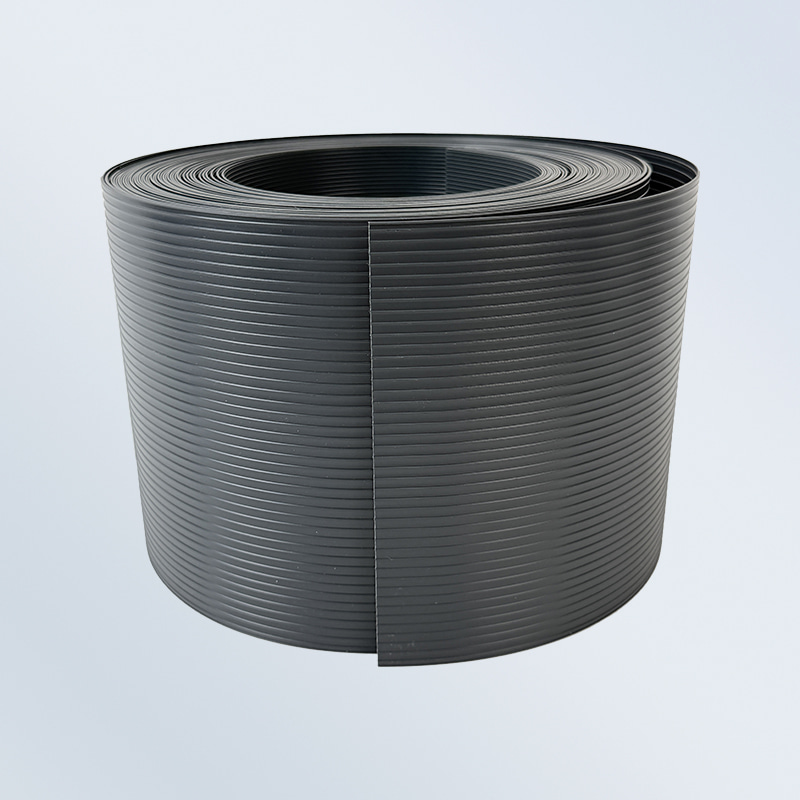
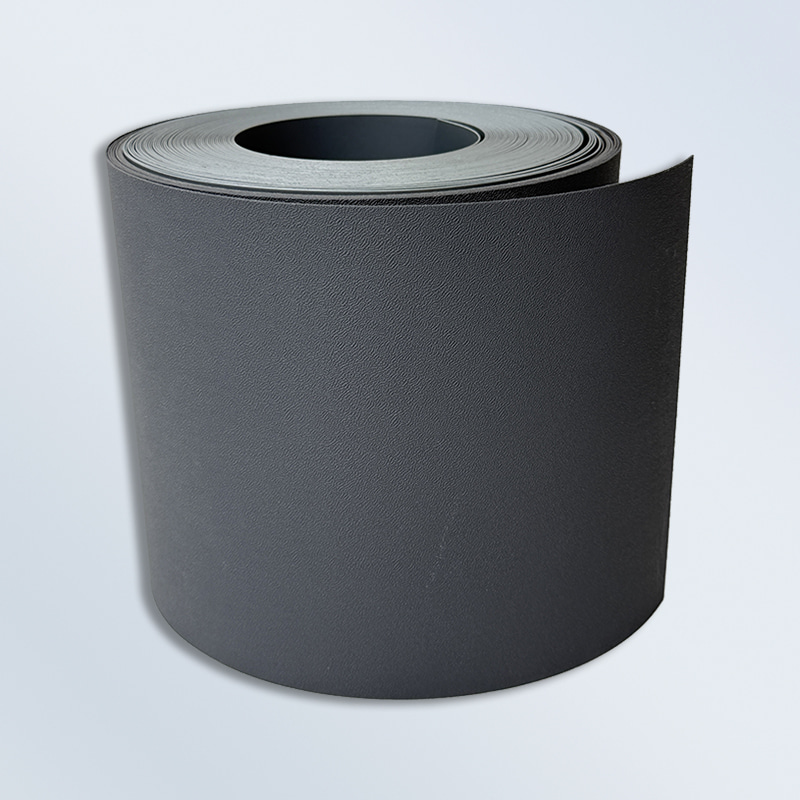
| Black | Carbon black + HALS (highest UV protection) | Lowest visibility; disappears against soil, mulch, or dark backgrounds. | Compost bins, erosion control, ground-level edging, industrial/perimeter fencing where visibility is not needed. |
| White | Titanium dioxide + HALS (good UV protection, slightly less than carbon black) | High visibility to humans and animals (day and twilight); reflects heat, stays cooler in direct sun. | Temporary fencing (construction/event zones), nighttime animal exclusion (deer, raccoons see white clearly). |
| Yellow / Orange | Organic pigments + HALS (moderate UV protection; fades faster than carbon black) | Highest visibility — safety colors for hazard warning; animals detect yellow and blue wavelengths effectively. | Danger zone marking, equipment exclusion zones, roadside garden boundaries, seasonal hazard fencing. |
| Brown | Iron oxide + carbon black blend (good UV protection) | Low to moderate visibility; blends with wooden posts, bark mulch, and soil. | Naturalistic gardens, woodland edges, rustic farm settings, blending with cedar or redwood structures. |
Color longevity note: Dark green and black tapes typically maintain >90% of original tensile strength after 5 years of outdoor exposure. White and brown tapes retain 80-85%. Yellow and orange tapes may experience noticeable fading after 2-3 years but remain functionally intact if the stabilizer package is adequate.
Not all UV-stabilized PP tapes are equal. The concentration and type of stabilizers determine real-world longevity. Request technical data sheets from suppliers to verify stabilizer content.
| Stabilizer Grade | Carbon Black Content | HALS Concentration | Expected Outdoor Lifespan | Recommended Climate |
|---|---|---|---|---|
| Economy | < 1.5% (incomplete dispersion) | < 0.3% | 1 – 2 years | Temperate, low UV (UK, Pacific Northwest) |
| Standard | 1.5% – 2.0% | 0.3% – 0.5% | 3 – 5 years | Moderate UV (Northern Europe, Northern US) |
| Premium (Garden Hard Grade) | 2.0% – 3.0% | 0.5% – 1.0% | 5 – 8 years | High UV (Mediterranean, Australia, US Southwest) |
| Ultra (Industrial) | 3.0% – 4.0% | 1.0% – 1.5% | 8 – 12 years | Extreme UV (desert, high altitude, tropical) |
Verification test: To check stabilizer quality, expose a tape sample to direct sunlight for 3 months. Premium-grade tape shows no surface chalking, minimal color fade (dark green to olive), and retains full flexibility. Economy tape becomes brittle, develops white powder on surface, and snaps when bent sharply.
Tape selection must account for the distance between fence posts and corner design. Wider spans require wider or thicker tape to prevent sagging and wind damage.
| Post Spacing | Minimum Tape Width | Minimum Tape Thickness | Corner Post Requirement | Tensioning Method |
|---|---|---|---|---|
| ≤ 1.5 meters | 12 mm | 0.5 mm | Wooden stake (5 cm diameter) | Hand pull + half-hitch knot |
| 1.5 – 2.0 meters | 15 mm | 0.6 mm | Wooden post (7-10 cm diameter) or metal T-post | Hand pull + figure-eight knot |
| 2.0 – 2.5 meters | 20 mm | 0.8 mm | Wooden post (10 cm) with diagonal brace | Lever tensioning (dowel windlass) |
| 2.5 – 3.0 meters | 25 mm | 1.0 mm | Wooden or steel post with H-brace | Ratchet tensioner or come-along |
| 3.0 – 4.0 meters | 40 mm | 1.2 mm | Steel pipe (5 cm) with concrete footing | Mechanical tensioner + turnbuckle |
| > 4.0 meters | 50 mm | 1.5 mm | Concrete or heavy steel post with double bracing | Hydraulic tensioner (professional grade) |
Follow this sequential decision process to select the optimal Garden Hard PP Fence Tape for your project:
Selecting the correct Garden Hard PP Fence Tape requires deliberate consideration of width, thickness, length, color, UV stabilizer grade, and post spacing. Unlike generic fencing materials that force compromises, the wide specification range of PP tape allows precise matching to your application. A properly selected tape will provide 5-8 years of maintenance-free service, while a mismatched selection leads to premature failure, animal escapes, or unnecessary labor. The next section provides a step-by-step installation guide to ensure your chosen tape performs to its full potential.
Proper installation is the single most important factor determining the longevity, tension retention, and effectiveness of Garden Hard PP Fence Tape. Even the highest-quality tape will perform poorly if posts are undersized, tension is uneven, or fasteners are incorrect. This guide provides a systematic, field-tested installation procedure applicable to most garden and small farm applications. Follow these steps in sequence for a professional result that lasts 5-8 years with minimal maintenance.
Before beginning installation, assemble all necessary tools and components. Having everything on hand prevents interruptions and ensures consistent tensioning.
| Tool / Material | Specification / Notes | Purpose |
|---|---|---|
| Measuring tape | 30m or 50m length | Measure perimeter and post spacing |
| Post hole digger or manual driver | Diameter matches post size (10-15cm for wood) | Install corner and line posts |
| Wooden or steel fence posts | Corner posts: 10-15cm diameter; Line posts: 7-10cm | Support structure for tape |
| Concrete mix (for corner posts) | Fast-setting, post-specific concrete | Permanent corner post anchoring |
| Staples (galvanized or stainless steel) | 16mm or 19mm crown width; 25-35mm leg length | Attaching tape to wooden posts |
| Staple gun or hammer | Heavy-duty manual or pneumatic staple gun | Driving staples flush without crushing tape |
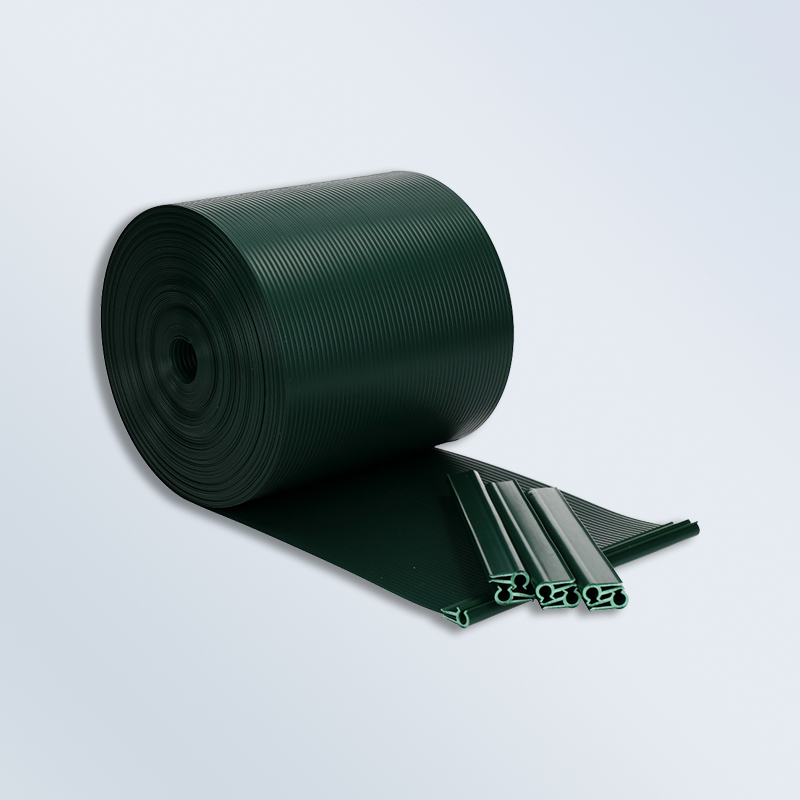
| Zip ties or fence clips (for steel posts) | UV-resistant (black) nylon, minimum 4mm width | Attaching tape to metal T-posts or pipe |
| Tensioning tool | Rope ratchet, come-along, or wooden dowel (25mm diameter) | Applying consistent tension across tape runs |
| Scissors or utility knife | Sharp, heavy-duty blade | Cutting tape cleanly without fraying |
| Gloves (work or garden) | Nitrile-coated or leather | Protecting hands during tensioning and stapling |
| Level or string line | Laser level or mason's line | Ensuring horizontal strands are straight |
Proper planning prevents mid-installation adjustments and wasted tape. Begin by walking the fence perimeter and identifying corners, gates, and changes in direction or slope.
Corner posts bear the majority of tape tension. A fence is only as strong as its corners. Do not skip bracing or use undersized corner posts.
Line posts support the tape between corners. They carry vertical load but minimal horizontal tension if correctly aligned.
Strand count depends on application. More strands increase containment but require more tape and installation time. Below are recommended strand configurations by application.
| Application | Number of Strands | Height from Ground (cm) | Tape Width Recommendation |
|---|---|---|---|
| Vegetable garden border (pest visual barrier) | 1 – 2 strands | 15, 30 | 12-15 mm |
| Raised bed trellising (vertical) | 3 – 4 strands (vertical runs) | Soil level to top support (every 30-40 cm) | 12-15 mm |
| Poultry run (chickens, ducks) | 3 – 4 strands | 15, 30, 60, 90 | 20-25 mm |
| Rabbit or guinea pig enclosure | 2 – 3 strands | 10, 20, 35 | 15-20 mm |
| Dog containment (medium breeds) | 3 – 4 strands | 20, 50, 80, 110 | 25 mm |
| Goat or sheep pen | 4 – 5 strands | 20, 40, 60, 80, 100 | 20-25 mm |
| Permanent garden boundary (aesthetic) | 2 – 3 strands | 20, 50, 80 | 15-20 mm (dark green) |
| Erosion control slope | Grid pattern (horizontal + vertical) | Horizontal every 50 cm; vertical every 100 cm | 25 mm |
Marking post heights: Before running tape, measure and mark each post at the desired strand heights using a permanent marker or small nail. Consistent heights across all posts prevent twisting and sagging.
Properly anchoring the starting end prevents the tape from pulling loose under tension. Never simply staple the cut end — use a wrapping technique.
Correct tensioning is the most skill-dependent step. Too little tension causes sagging and wind-flapping; too much tension overstresses posts and may snap the tape under impact.
Intermediate attachments keep the tape aligned but should not restrict natural movement. Over-attaching creates stress points; under-attaching allows tape to lift off posts.
Corners require special handling because tape cannot bend sharply without losing strength. Never staple tape directly around a 90-degree corner — use a wrapping or turning post method.
The termination must be as strong as the starting point. Use a combination of wrapping and mechanical fastening for security.
For multi-strand fences, repeat the entire process for each horizontal level. Work from the bottom strand upward — bottom strands are easier to tension and align before upper strands obscure access.
Newly installed tape undergoes an initial settlement period during the first 2-4 weeks as knots seat, posts settle, and tape relaxes slightly from manufacturing orientation stress.
The table below provides typical installation times for a single person working with standard tools. Add 30-50% time for sloping ground, dense vegetation, or rocky soil.
| Fence Size (Perimeter) | Number of Strands | Post Setting Time | Tape Running & Tensioning Time | Total Estimated Time |
|---|---|---|---|---|
| 20 meters (small garden) | 2 strands | 2-3 hours | 1-2 hours | 3-5 hours |
| 50 meters (medium garden) | 3 strands | 4-6 hours | 2-3 hours | 6-9 hours |
| 100 meters (large garden or poultry run) | 3 strands | 6-8 hours (with power auger) | 3-5 hours | 9-13 hours |
| 200 meters (small farm boundary) | 4 strands | 12-16 hours (2 people recommended) | 6-8 hours | 18-24 person-hours |
Following this 11-step installation sequence ensures that Garden Hard PP Fence Tape performs to its full 5-8 year potential. The critical success factors are: robust corner posts with bracing, correct tension (no whitening), staples placed over the tape (not through), and seasonal tension checks during the first year. With proper installation, the tape requires no further maintenance beyond annual visual inspection. The next section covers maintenance procedures and how to identify when replacement is necessary.
One of the primary advantages of Garden Hard PP Fence Tape over traditional fencing materials is its minimal maintenance requirement. Unlike galvanized wire that requires rust removal and repainting, or wooden fences that demand staining and rotten board replacement, properly installed PP tape functions effectively for years with only periodic inspection and minor adjustments. However, "maintenance-free" does not mean "inspection-free." This section provides a complete maintenance schedule, expected service life data, and clear indicators for when replacement is necessary.
The longevity of PP fence tape depends primarily on UV stabilizer quality, local climate, and mechanical stress levels. The table below provides realistic expected lifespans for different grades of tape under various environmental conditions.
| Tape Grade | UV Stabilizer Package | Temperate Climate (UK, Northern Europe) | Moderate Climate (Northern US, Central Europe) | High UV Climate (Mediterranean, Southern US, Australia) |
|---|---|---|---|---|
| Economy Grade | < 1.5% carbon black, minimal HALS | 3 – 4 years | 2 – 3 years | 1 – 2 years |
| Standard Grade | 1.5-2.0% carbon black, 0.3-0.5% HALS | 5 – 7 years | 4 – 6 years | 3 – 4 years |
| Premium Grade (Garden Hard specification) | 2.0-3.0% carbon black, 0.5-1.0% HALS | 7 – 9 years | 6 – 8 years | 5 – 7 years |
| Ultra / Industrial Grade | 3.0-4.0% carbon black, 1.0-1.5% HALS | 10 – 12 years | 8 – 10 years | 7 – 9 years |
Important note: The service life estimates above assume proper installation (correct tension, no over-stapling, adequate post spacing) and typical conditions. Extreme factors — persistent animal pressure, mechanical abrasion, physical damage from tools or machinery — reduce actual lifespan regardless of UV grade.
Following a simple annual maintenance routine extends tape life by 20-30% and prevents unexpected failures. The schedule below requires approximately 15-30 minutes per 100 meters of fence annually.
| Frequency | Task | Tools Required | Time per 100m |
|---|---|---|---|
| Monthly (growing season) | Visual inspection for vegetation entanglement — remove climbing weeds or vines that add wind load. | Gloves, pruning shears | 5-10 minutes |
| Quarterly (every 3 months) | Check for slack strands — pluck each tape section; a dull thud indicates loosening. Retension as needed. | Tensioning tool or dowel | 10-15 minutes |
| Biannually (spring and autumn) | Inspect all attachment points (staples, zip ties) for loosening or UV degradation. Replace any brittle or cracked fasteners. | Staple gun, replacement zip ties | 10-15 minutes |
| Annually (end of winter) | Full perimeter walk: check for tape surface chalking, edge fraying, staple pull-through, post leaning. Document findings. | Notebook, camera (optional) | 20-30 minutes |
| After severe weather (storms, heavy snow, flooding) | Inspect for debris impact damage, snow load sagging, or flood-borne abrasion. Retension or replace damaged sections immediately. | As needed (scissors, tape, tensioner) | Variable (15-60 minutes) |
Over time, all fence materials lose some tension due to knot seating, post settlement, and polymer creep (very slow permanent elongation under sustained load). PP tape exhibits less creep than nylon or polyester but more than steel wire. Expect to retension once or twice per year.
Staples and zip ties often fail before the tape itself. UV-degraded zip ties become brittle and snap when touched; loosened staples pull out of wood as posts dry and shrink.
While PP tape does not absorb water or support mold growth, accumulated debris adds wind load and can abrade the tape surface over time.
Wooden posts shrink, rot at ground level, or lean over time. Steel posts may rust at the base or bend under tension. A tape fence is only as secure as its supporting structure.
Knowing when to replace old tape prevents sudden failures that could release animals or compromise garden boundaries. Do not wait until the tape breaks — replace proactively when the following indicators appear.
| Indicator | Visual / Tactile Description | Severity Level | Recommended Action |
|---|---|---|---|
| Surface chalking | White, powdery residue on tape surface that rubs off onto fingers. Indicates UV degradation of the polymer surface layer. | Early stage (tape still functional) | Monitor annually; increase inspection frequency. Plan replacement within 12-24 months. |
| Edge fraying or splitting | Individual polymer fibrils separating along tape edges. Often starts at staple points or cut ends. | Moderate (strength reduced 20-40%) | Replace damaged sections immediately. If widespread (>30% of fence length), full replacement recommended within 6 months. |
| Surface cracking (micro-cracks) | Fine cracks visible when tape is bent sharply or viewed under magnification. Cracks perpendicular to tape length are most serious. | Advanced (strength reduced 40-60%) | Full replacement recommended within 3 months. Do not retension — cracking tape will snap under additional load. |
| Complete loss of elasticity | Tape feels stiff and brittle; makes a cracking sound when bent. Snaps rather than stretches when pulled hard. | Critical (strength reduced >70%) | Replace immediately. Do not rely on this tape for any containment function. |
| Staple pull-through | Staples have cut entirely through the tape, leaving tape loose against the post. Typically occurs at over-tensioned sections. | Localized failure | Replace the affected span. Investigate cause (over-tension or undersized staples) before reinstalling. |
| Color fading (green to olive/yellow) | Dark green tape fades to pale olive or yellowish-green. Indicates carbon black depletion — UV protection is diminishing. | Early to moderate | Not a failure by itself, but a warning sign. Combine with other indicators to time replacement. |
Understanding what reduces tape lifespan allows you to take preventive action. The following factors significantly shorten service life beyond the estimates in Section 1.
When damage occurs, decide whether to repair a section or replace the entire fence. The table below provides criteria for this decision.
| Situation | Repair Viable? | Procedure | Longevity of Repair |
|---|---|---|---|
| Isolated tear (single strand, span <5m) | Yes | Cut out damaged section (remove 30-40 cm). Splice new tape using double fisherman's knot. Restaple at both ends of splice. | 2-4 years (splice retains 70-80% of original strength) |
| Multiple tears in same span | No — replace entire span | Remove old tape from corner to corner. Install new tape following original installation procedure. | Full expected lifespan of new tape |
| Widespread surface chalking (>50% of fence) | No — replacement recommended | Full fence replacement. Consider upgrading to Premium grade for next installation. | N/A |
| Staple pull-through at multiple posts | Yes (if tape otherwise healthy) | Remove old staples. Install new staples 2-3 cm offset from original holes. Do not reuse existing holes. | Equals remaining tape life (2-5 years) |
| Edge fraying (localized to one post area) | Yes | Trim frayed section (cut 20-30 cm on each side of damaged area). Splice with fresh tape or reposition attachment point. | 1-3 years |
| Post rot or leaning (tape intact) | Replace post, keep tape | Temporarily support tape with rope to old post. Remove old post. Install new post. Reattach tape to new post. | Equals remaining tape life |
When Garden Hard PP Fence Tape reaches the end of its service life, responsible disposal reduces environmental impact. Polypropylene is recyclable (resin identification code 5 — PP).
Keeping a simple maintenance log helps track aging patterns and schedule replacements proactively. Below is a recommended format.
| Date | Inspection Performed By | Observations (chalking, fraying, slack, post condition) | Actions Taken (retension, replace section, add fasteners) | Next Inspection Due |
|---|---|---|---|---|
| Example: 2026-03-15 | J. Smith | Slight chalking on south-facing side; no fraying; tension good; posts vertical. | None — monitor only. | 2026-06-15 |
| — | — | — | — | — |
Garden Hard PP Fence Tape offers dramatically lower maintenance requirements than wire, wood, or rope fencing — but it is not entirely maintenance-free. Annual inspections, occasional retensioning, and proactive fastener replacement extend service life to the full 5-8 year range (or longer with Premium grade). The key insight is that surface chalking is a warning, not a failure; tape remains functional for 1-2 years after chalking begins. Edge fraying and micro-cracking are the true end-of-life indicators. By following the maintenance schedule and replacement guidelines in this section, you will achieve the lowest total cost of ownership among all fencing material options. The next section answers frequently asked questions about installation, performance, and troubleshooting.
This section addresses the most common questions received from gardeners, small farmers, and property owners regarding the selection, installation, performance, and limitations of Garden Hard PP Fence Tape. Answers are based on material science, field testing, and years of practical application experience.
No. Standard Garden Hard PP Fence Tape is non-conductive, with volume resistivity exceeding 10¹⁴ ohm-cm. It will not carry an electric charge from an energizer to the fence line. If you require electric fencing for animal containment, use specialized electric fence tape or rope that contains embedded stainless steel or copper filaments (typically 3-9 conductive strands woven into the tape). Using non-conductive PP tape on an electric fence system will result in no shock to animals and potential damage to the energizer due to open-circuit conditions.
For vertical trellis applications, a single strand of 25mm tape (tensile strength 320-420 kgf) can theoretically support hundreds of kilograms. However, the practical limit is determined by attachment strength (staples or knots) rather than the tape itself. For heavy fruiting vines (tomatoes, cucumbers, melons), a single strand safely supports 30-50 kg distributed load — sufficient for a fully loaded plant. For very heavy crops (winter squash, loofah), use double strands (two parallel tapes spaced 10-15 cm apart) or wider tape (40-50mm) to distribute fruit weight across multiple attachment points.
No. Unlike wire or rough rope, Garden Hard PP Fence Tape features smooth, rounded edges that do not abrade bark or plant tissue. However, any material wrapped tightly around a growing stem can cause constriction as the stem expands. For tree training (espalier) or vine support, always leave 2-5 cm of slack or use a "figure-eight" loop that allows stem thickening. Inspect tape-plant contact points twice per growing season and loosen or retie as needed. For young trees, replace tape annually to prevent girdling.
Deer can easily jump fences up to 2.4 meters (8 feet) in height. A standard garden fence with 4 strands at 20, 50, 80, and 110 cm will not physically contain a determined deer. However, deer rely heavily on visual cues and often will not jump a barrier they cannot clearly see. For deer deterrence, use brightly colored tape (white or yellow) at 60 cm and 120 cm heights — the high visibility creates a psychological barrier. For complete deer exclusion, install 2.4m tall woven wire fencing. PP tape alone is insufficient in areas with heavy deer pressure.
Yes. Garden Hard PP Fence Tape is manufactured from virgin polypropylene with approved UV stabilizers (carbon black and HALS). No plasticizers, phthalates, bisphenols (BPA), or heavy metals are used. The tape is inert and does not leach chemicals into soil or water, even under acidic compost conditions or heavy rainfall. It meets FDA indirect food contact standards (21 CFR 177.1520) and EU 10/2011 for plastic materials intended to contact food. However, avoid incorporating chopped tape into soil as a "mulch" — while not toxic, plastic fragments persist indefinitely. Remove and recycle tape at end of life instead of tilling it into garden beds.
Unlike round ropes, flat tape requires specific knots to prevent slipping. The most reliable knots are:
Avoid: Simple overhand knots (retain only 40-50% of strength) and square knots (slip under cyclic loading).
A manual hammer and galvanized fence staples (also called "U-nails") work perfectly well for wooden posts. The key is to drive staples so they sit firmly against the wood but not crushing the tape — leave 1-2 mm of clearance for the tape to slide slightly during temperature changes. Pneumatic staplers are faster for large installations (>200 meters) but risk over-driving staples into the wood, crushing the tape. If using a pneumatic stapler, reduce air pressure and test on scrap wood before installing tape.
Use the double fisherman's knot procedure:
Do not attempt to splice with staples or zip ties alone — these create stress points that tear under tension.
Yes. For steel T-posts or rebar, use UV-resistant black nylon zip ties (minimum 4mm width, 150mm length). Wrap the zip tie around both the post and tape, but do not overtighten — leave the tape slightly movable. For rebar, which has a smooth surface, add a half-wrap of the tape around the rebar before zip-tying to prevent vertical slipping. Check zip ties annually and replace any that show brittleness or cracking.
Post spacing directly affects sag and wind resistance. Use these maximum spacings for flat terrain with moderate wind (up to 80 km/h gusts):
On windy sites (coastal, prairie, mountain passes) reduce spacings by 25-30%. On slopes steeper than 15 degrees, reduce spacings by 20%.
Each material has distinct advantages and disadvantages:
For general garden use, PP offers the best balance of stiffness, UV life, and cost.
Garden Hard PP Fence Tape remains flexible down to -20°C (-4°F). Below this temperature, the polymer undergoes a glass transition and becomes increasingly stiff, but it does not become brittle enough to snap under normal loads until approximately -40°C (-40°F). In most temperate climates, winter freezing does not affect tape performance. However, avoid striking or bending the tape sharply when temperatures are below -10°C (14°F), as impact resistance is reduced.
Not recommended. Most paints (oil-based, acrylic, latex) do not bond well to polypropylene's low-surface-energy plastic. Paint will flake off within months, creating visible debris. If color change is necessary, purchase the desired color from the manufacturer — dark green, black, white, yellow, and brown are standard options. For temporary color coding (e.g., marking different animal zones), use colored zip ties or flagging tape wrapped around the PP tape rather than painting.
Request a sample and perform these tests:
Yes, for containment, but not for predator exclusion. The tape effectively contains chickens, ducks, and other domestic poultry when installed with 4-5 horizontal strands at 15, 30, 60, 90, and 120 cm heights. Chickens rarely fly over 1.2m with overhead netting. However, PP tape alone will not stop determined predators — foxes, raccoons, dogs, and hawks can bite through or climb over tape. For predator protection, use the tape as a visual barrier in conjunction with welded wire or hardware cloth. The tape's high visibility helps birds see the boundary, reducing escape attempts.
For medium-sized dogs (15-30 kg), a 4-strand fence using 25mm tape (tensile strength 320-420 kgf) is generally sufficient if the dog is not a determined jumper or chewer. Breeds known for chewing (Labradors, Huskies, German Shepherds) may bite through tape over time. For these breeds, reinforce the tape with welded wire or use high-tensile wire instead. Small dogs (under 15 kg) are easily contained with 3 strands of 20mm tape. For large dogs (over 30 kg) or aggressive chewers, do not rely on PP tape alone — use chain link or heavy-gauge welded wire.
No. Unlike barbed wire or jagged metal fences, Garden Hard PP Fence Tape has no sharp edges or projections that entangle or injure wildlife. Birds can perch on the flat surface without foot injuries. Small mammals (hedgehogs, rabbits, squirrels) can pass between strands if spacing allows. The smooth surface does not snag fur or feathers. For wildlife-friendly fencing, use wider spacing (20-30 cm between strands) on the bottom 50 cm to allow small animals to pass through while still containing larger domestic animals.
Yes. Polypropylene is highly resistant to saltwater corrosion — unlike galvanized wire, which rusts rapidly in coastal salt spray. Garden Hard PP Fence Tape is an excellent choice for beach gardens, seaside properties, or salt marsh edges. However, UV exposure is typically more intense in coastal areas due to reflection from water and sand. Select Premium or Ultra grade tape (higher carbon black content) for maximum longevity. Rinse the tape annually with fresh water to remove salt residue, which can attract dirt and promote algal growth on the surface.
Yes, this is normal. Polypropylene has a coefficient of thermal expansion 10-15 times higher than steel. The tape contracts in cold temperatures (becoming tighter) and expands in heat (becoming looser). However, the dominant effect over winter is often post settlement and knot seating. Retension the tape in early spring (after ground thaw) using the dowel windlass method. If slack returns within weeks, check for: (a) leaning corner posts, (b) staples pulled from wood, or (c) knots that have slipped. After the first year, seasonal slack reduces significantly as the tape reaches its equilibrium length.
White powder (chalking) is the first sign of UV degradation. The UV stabilizers at the tape surface are consumed over time, allowing the polymer to oxidize and form fine particles. Chalking itself does not significantly reduce tape strength — it indicates that the stabilizer package is working as designed. Tapes with excellent UV stabilization begin chalking at 2-4 years and remain functional for another 1-3 years after chalking starts. Replace the tape when chalking is accompanied by edge fraying or surface cracking, not by chalking alone.
Follow this repair procedure:
The repaired section will have approximately 70-80% of original tensile strength — sufficient for most garden applications. For critical containment areas, replace the entire span between corners rather than splicing.
Garden Hard PP Fence Tape is designed for permanent outdoor use and can remain installed year-round in all climates. Unlike natural fiber ropes (which rot) or nylon (which absorbs water and freezes stiff), PP tape does not degrade from freezing, snow, or ice. However, if you live in a region with heavy snow loads (>100 cm annually), consider removing the bottom strand in late autumn to prevent snow from pushing against the tape and straining attachments. In regions with high winds (coastal, prairie), annual removal is not necessary unless the fence is temporary by design.
While specific prices vary by region and supplier, typical relative costs per linear meter of fence (including materials only, not posts or labor) are:
When factoring in lifespan (5-8 years for PP tape vs. 3-5 years for galvanized wire in wet climates) and maintenance labor, the total cost of ownership for PP tape is typically the lowest among all fencing materials.
Many suppliers offer sample lengths (typically 1-5 meters) for testing, often free or at nominal cost. Request a sample to verify tape width, thickness, stiffness, and UV stability before purchasing full rolls. For small projects (e.g., a single raised bed), 50-meter rolls are generally the smallest standard size. Some retailers may cut custom lengths, but per-meter pricing is typically higher than full rolls.
Store unused rolls in a cool, dry, dark location (e.g., garden shed, basement, garage). Polypropylene does not degrade significantly when stored away from UV light and extreme heat. Under proper storage (below 30°C, no sunlight), rolls remain usable for 5+ years. Avoid storing near ozone sources (electric motors, welding equipment) or solvents. If a roll has been stored for more than 2 years, test a sample by folding sharply — if no cracks appear, the tape is still functional.
The questions above represent the most common concerns from real users across diverse applications. Understanding the capabilities and limitations of Garden Hard PP Fence Tape allows you to deploy it confidently in appropriate scenarios while avoiding mismatches (e.g., electric fencing or large livestock containment). For questions not covered in this FAQ, consult the product technical data sheet or contact a qualified fencing professional with experience in polypropylene fencing materials.

 +86-18267317201
 +86-572-2373931
 [email protected]
 1411 Building 1,No.1969 Chuangye Avenue, Huzhou City ,Zhejiang Province, China.
 | Login


 Español
  Deutsch