Why Does Clip Geometry (Tooth Angle and Serration Depth) Determine the Pull-Out Resistance of Plastic Fence Tape Clips?
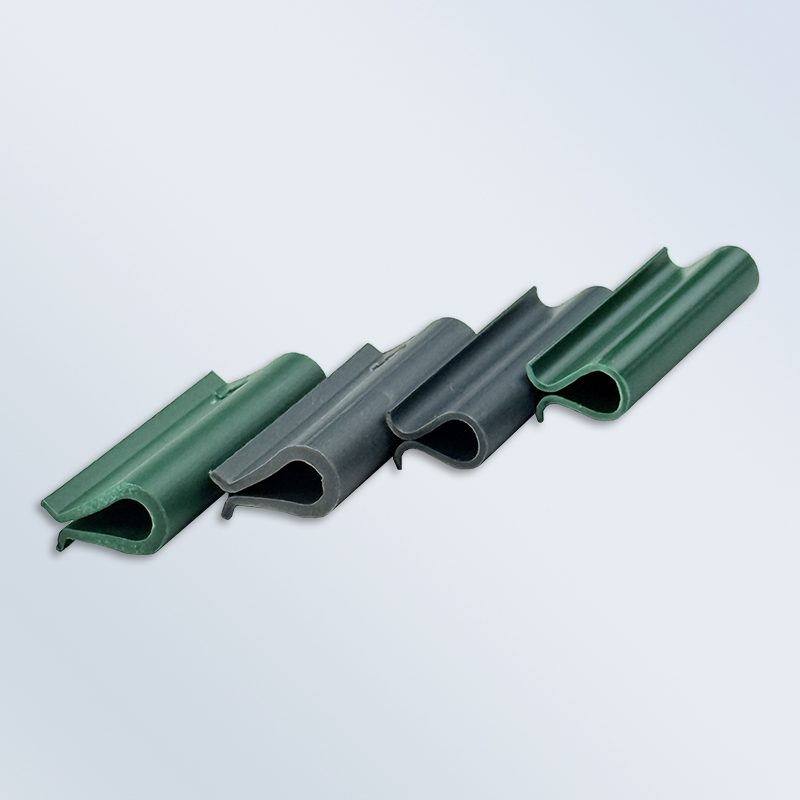
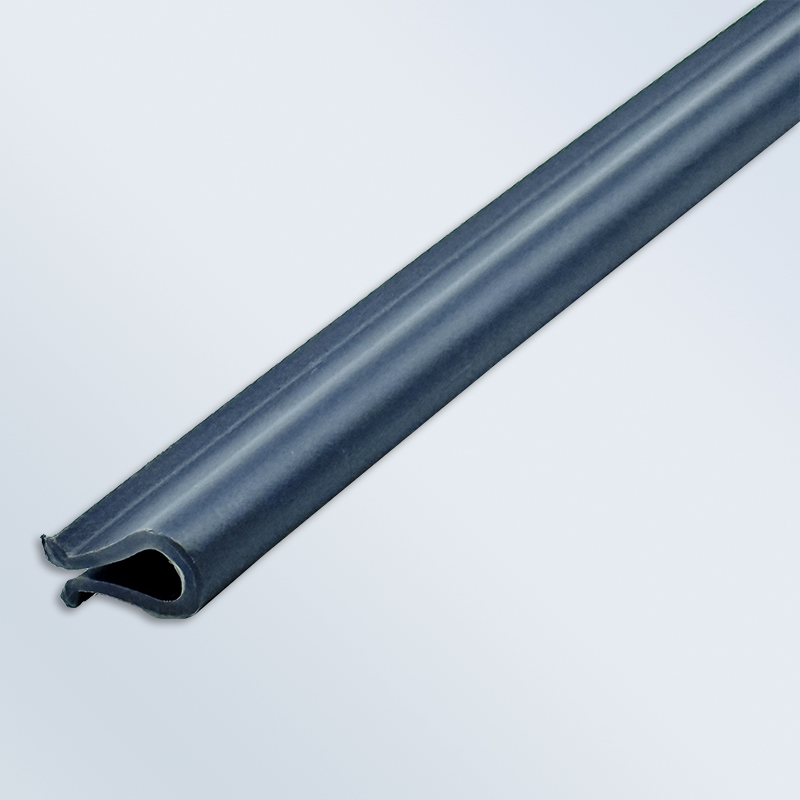
Plastic fence tape clips appear simple, but their ability to resist pull-out forces (the force required to slide the tape out of the clip) is governed entirely by micro-geometry. Two features dominate performance: tooth angle (the orientation of gripping teeth relative to the tape) and serration depth (how deeply the teeth penetrate the tape's surface). Unlike friction-only designs, optimized geometry creates a mechanical interlock that dramatically increases holding power without damaging the tape.
1. The Physics of Pull-Out Resistance
When tension is applied to a fence tape, a standard smooth clip relies on static friction (coefficient μ ≈ 0.3-0.5 between PVC/PP and clip material). This fails at low forces. With angled teeth and serrations, the clip converts axial tension into normal (compressive) force against the tape. As pull increases, the teeth dig deeper—a self-energizing effect. The critical parameters are tooth angle (α) measured from the tape surface, and serration depth (d) in millimeters or thousandths of an inch.
2. Key Parameter Comparison: Tooth Angle and Serration Depth Effects
The table below shows pull-out resistance (lbf) for plastic fence tape clips with varying geometries, tested on 20mm wide, 1.2mm thick PVC fence tape (ASTM D638 pull method). All clips are injection-molded polypropylene.
| Tooth Angle (α) |
Serration Depth (mm) |
Pull-Out Resistance (lbf) |
Failure Mode |
| 20° (aggressive) |
0.15 mm |
85 – 110 |
Tape surface tear |
| 30° (standard) |
0.15 mm |
65 – 80 |
Gradual slip + minor marking |
| 45° (shallow) |
0.15 mm |
30 – 45 |
Smooth slip (no damage) |
| 30° (standard) |
0.08 mm (shallow) |
25 – 35 |
Friction slip only |
| 30° (standard) |
0.25 mm (deep) |
90 – 120 |
Tape cutting / premature clip fracture |
| 15° (very aggressive) |
0.12 mm |
100 – 130 |
Clip hinge deformation |
Optimal geometry for plastic fence tape clips: 25-35° tooth angle with 0.12-0.18 mm serration depth. This yields pull-out resistance of 70-100 lbf without destroying the tape or clip.
3. Why Tooth Angle Below 25° Can Backfire
Very acute angles (< 20°) create an undercut that locks aggressively but concentrates stress at the tooth tip. Under high pull loads, the tooth acts as a wedge that can split the tape longitudinally (especially in cold weather). Additionally, acute angles increase insertion force—the force required to push the tape into the clip. Users may struggle to assemble clips with angles below 20°. For field installation, 30°±5° is the industry standard.
4. Serration Depth: The Threshold Effect
Below 0.10 mm depth, serrations only scratch the tape's surface gloss; pull-out resistance is dominated by friction (under 40 lbf). Above 0.20 mm depth, serrations penetrate the tape's structural cross-section, reducing tape thickness by 15-25% and creating a stress concentration that leads to premature tape failure at the clip edge. The ideal depth is 0.12-0.18 mm — enough to engage the tape's bulk material without cutting tension-rated fibers (in reinforced tapes).
5. Material Interaction: Clip Hardness vs. Tape Surface
Tooth geometry must be matched to clip material hardness. For polypropylene clips (Shore D 70-75), serration tips can maintain sharpness for 2-3 insertion cycles. For nylon clips (Shore D 80-85), the same geometry creates a more aggressive bite (increase pull-out by 20%) but may abrade tape edges over time. For ABS clips (Shore D 65-70), teeth wear faster; serration depth should start 0.02 mm higher to compensate. Most premium clips use glass-filled nylon for dimensional stability of fine serrations.
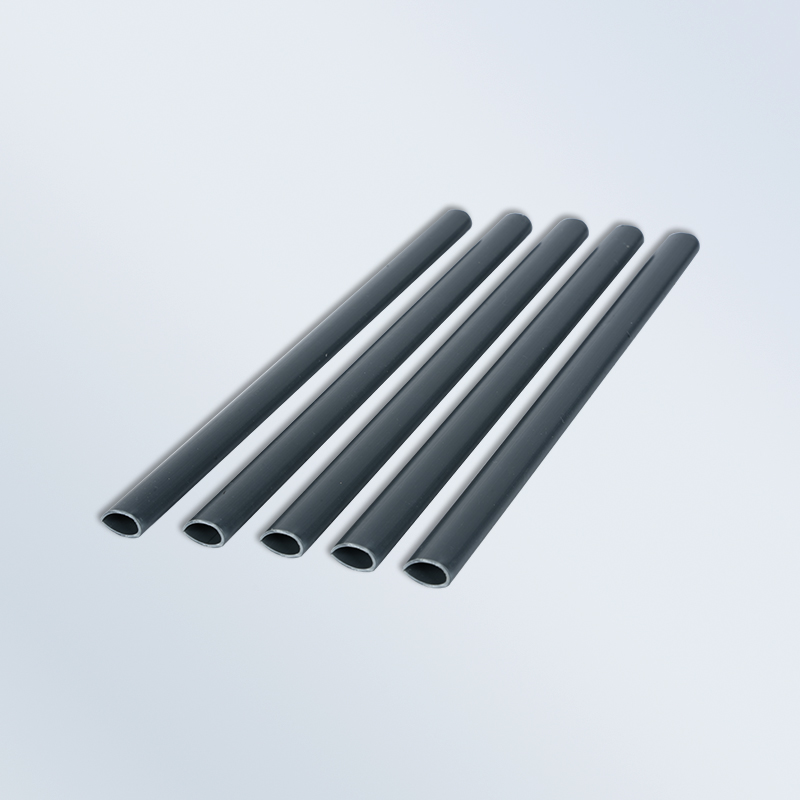
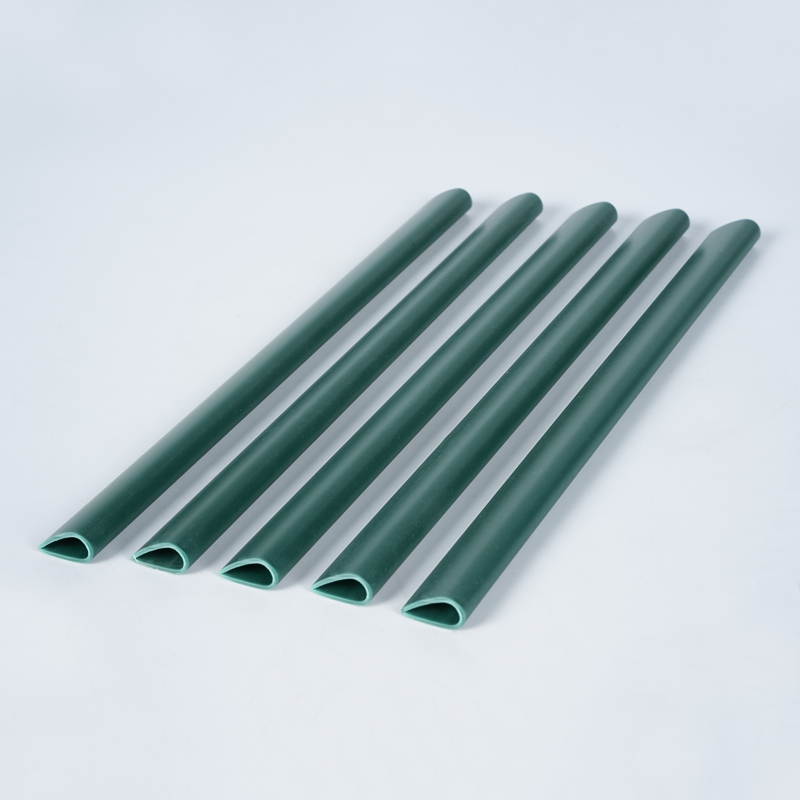
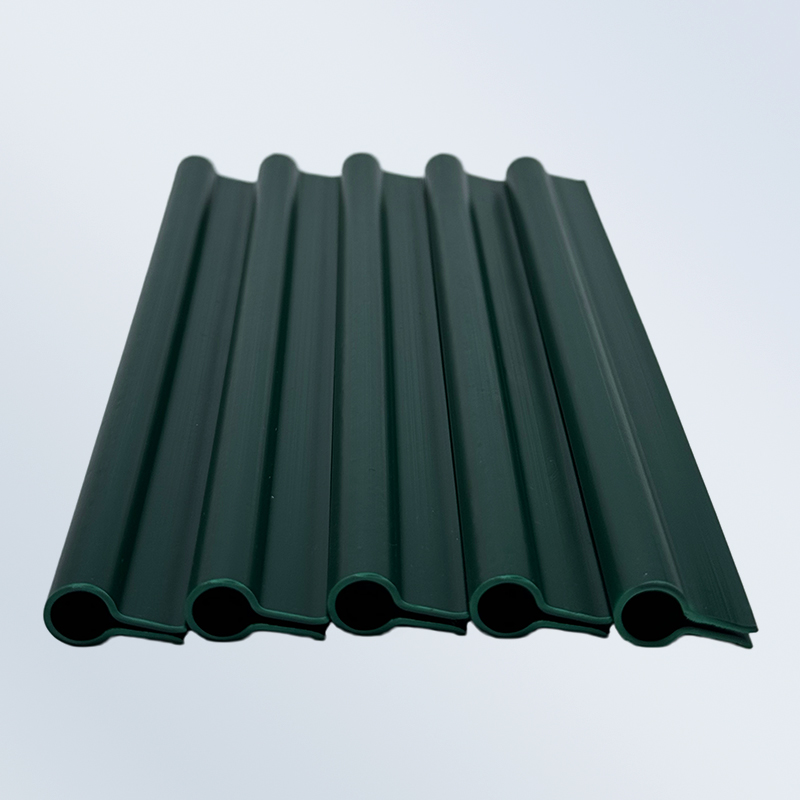
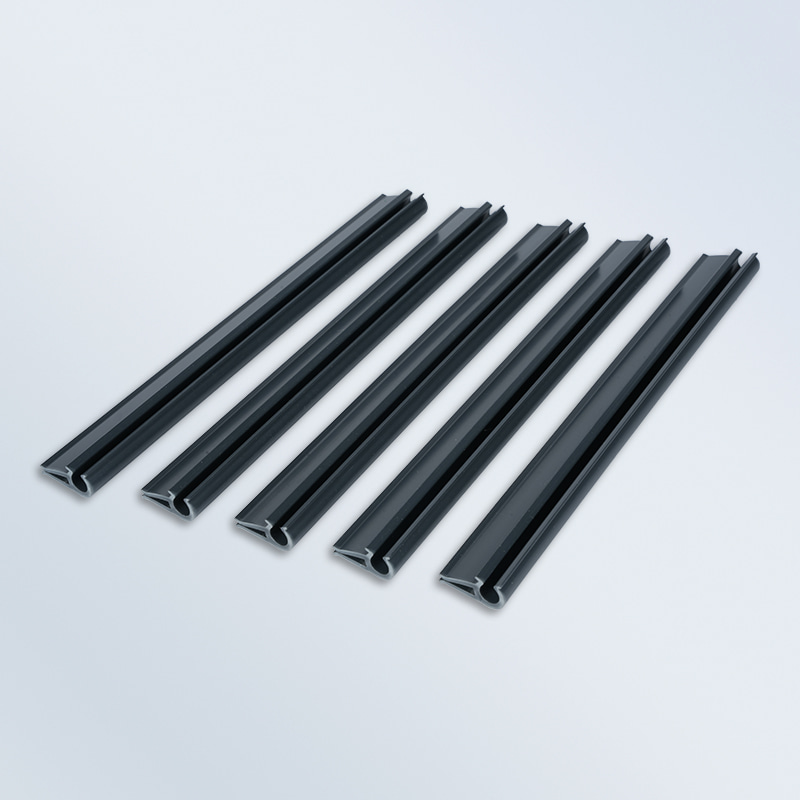
For engineered clip solutions, explore our plastic fence tape clips with precision-molded tooth geometry.
Frequently Asked Questions (FAQ)
- Q1: Can I reuse plastic fence tape clips without losing pull-out resistance?
A: Yes, but with limits. Each insertion cycles the serrations against the tape. For polypropylene clips, pull-out resistance drops by 15-20% after 3 insertions due to tooth tip blunting. For nylon clips, drop is only 5-10% after 5 insertions. To maintain full holding force, always insert tape in the same orientation (serrations bite fresh surface). Avoid clips with acute angles (<25°) for reusability — they damage tape on first removal.
- Q2: How does tape thickness affect the optimal serration depth?
A: Serration depth should be 8-12% of tape thickness. For thin tape (0.8 mm), target 0.06-0.10 mm depth; for thick tape (1.5 mm), target 0.12-0.18 mm. Using a clip designed for thin tape on thick tape will cause incomplete closure (clip housing may not latch fully). Using a thick-tape clip on thin tape results in insufficient penetration and pull-out resistance under 30 lbf. Always match clip to tape thickness specification.
- Q3: Is there a simple shop test to measure tooth angle and serration depth without lab equipment?
A: Yes. For tooth angle: Place a clip on a flatbed scanner or take a macro photo. Use a protractor app to measure the angle between the tooth face and the tape contact plane. Optimal = 25-35°. For serration depth: Press the clip's toothed surface into a piece of soft aluminum foil (or modeling clay). Measure the impression depth with a digital caliper's depth probe or a dial indicator. Target depth = 0.12-0.18 mm. If impressions are barely visible (<0.05 mm), the clip will slip under load.




 Español
  Deutsch