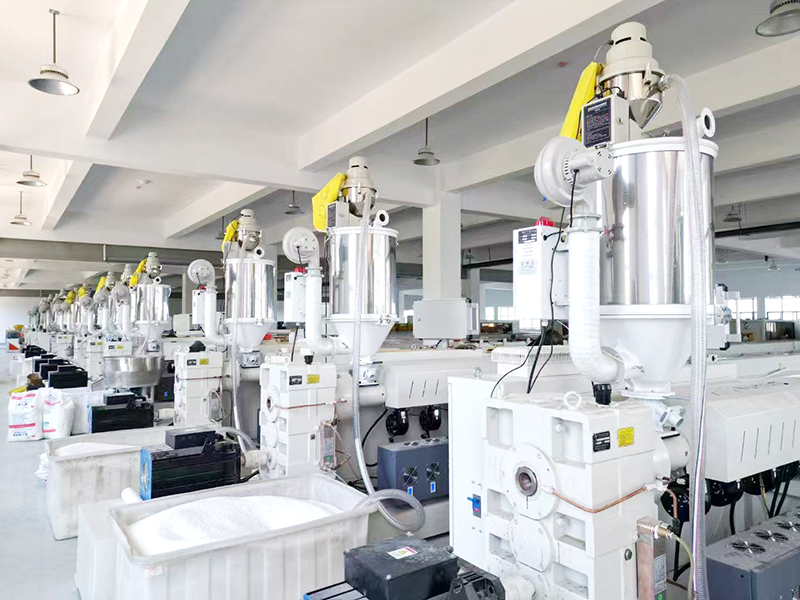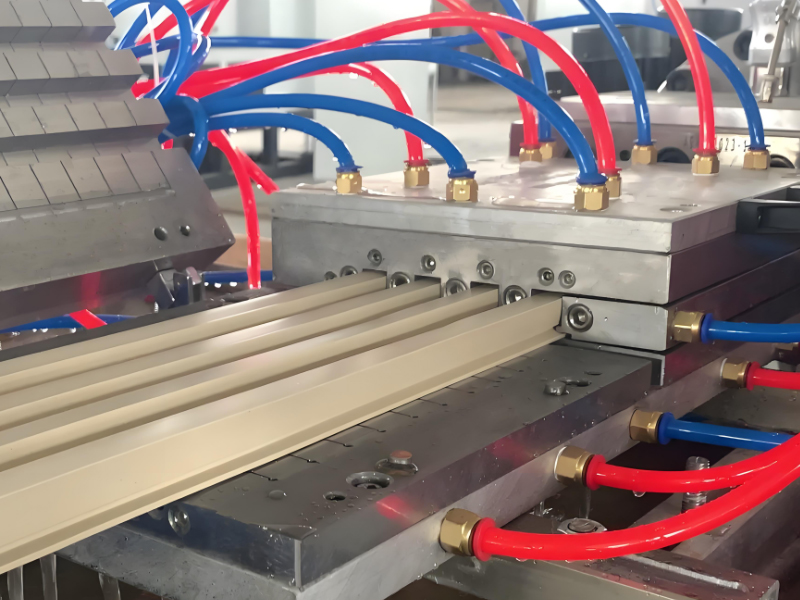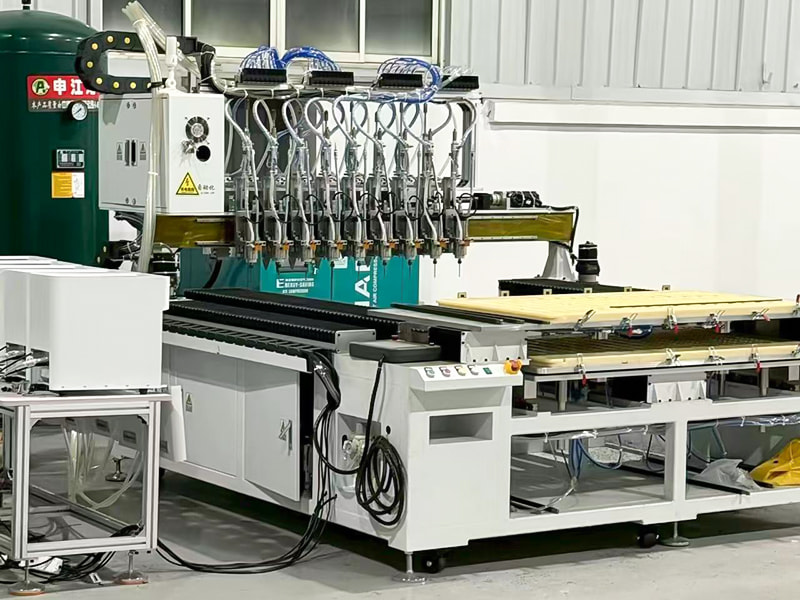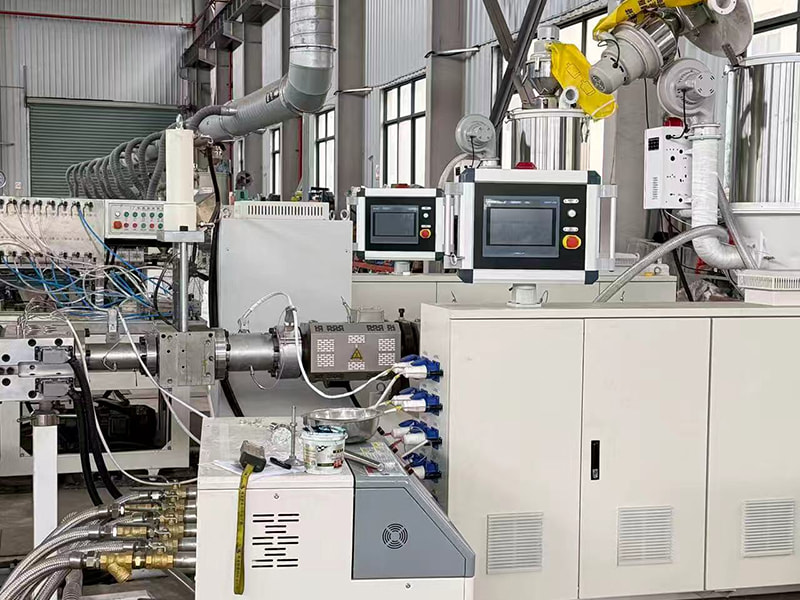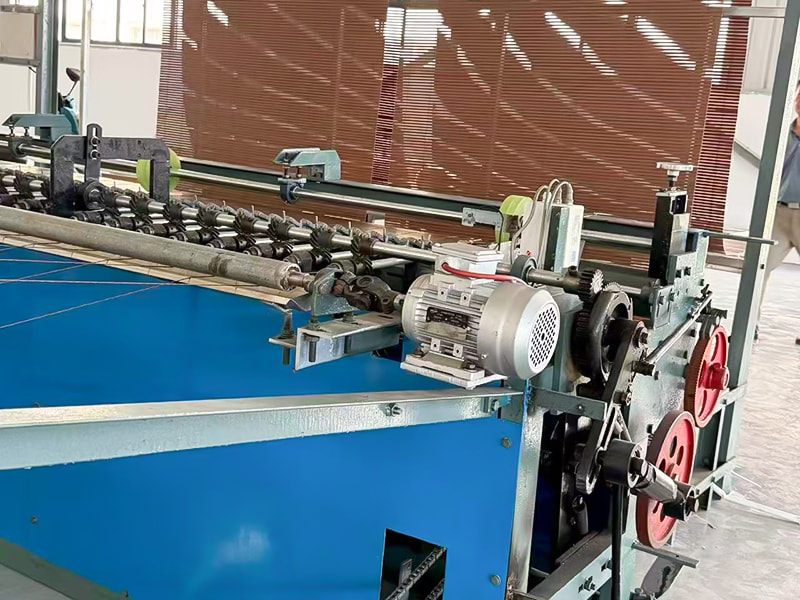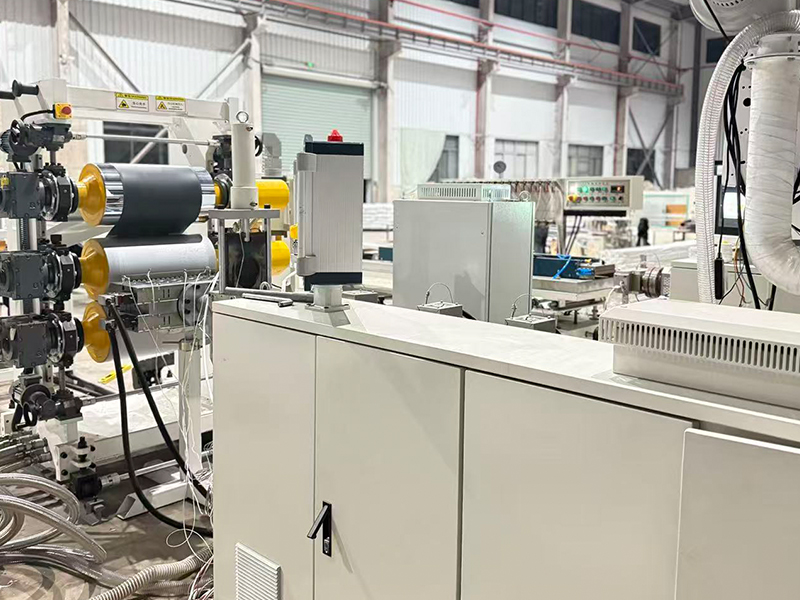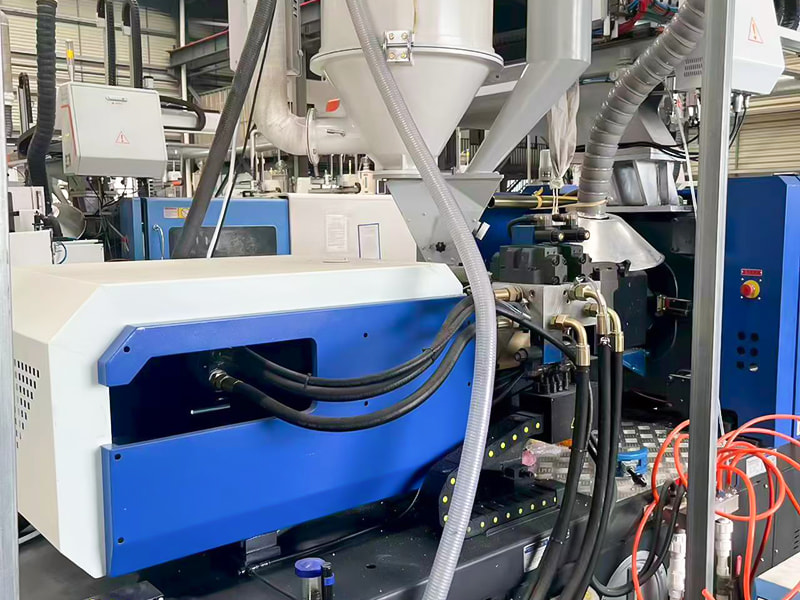
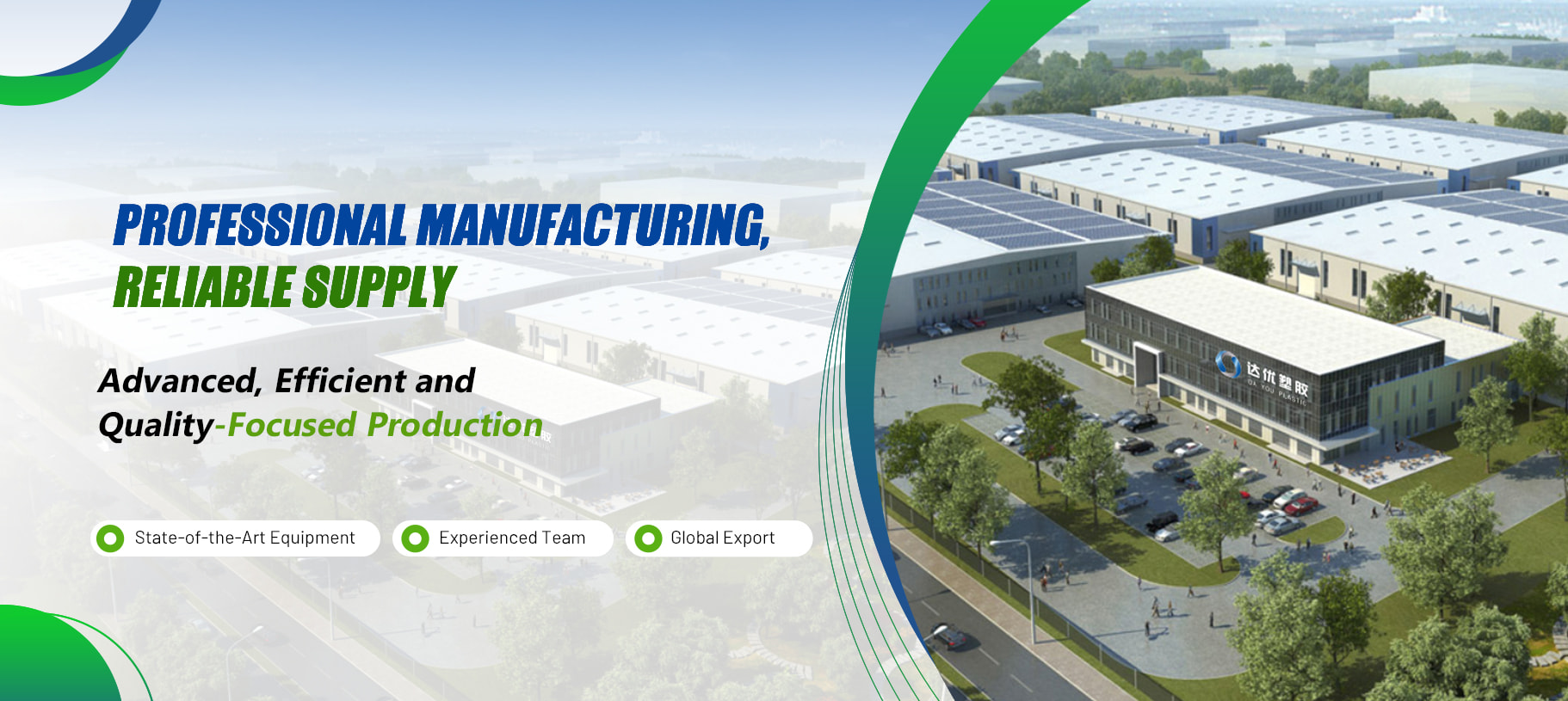
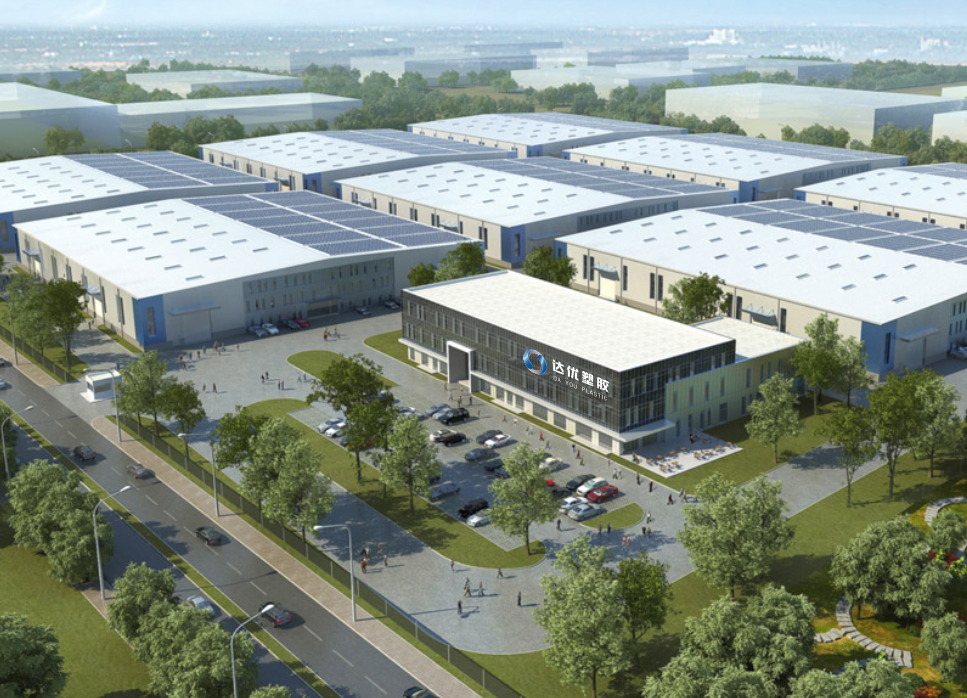
Zhejiang Huzhou Dayou Plastic Technology co.,ltd. was established in 2017, is a large-scale, powerful, technological and innovative enterprise integrating independent production of raw materials, mold design, and production of plastic products. There are three production bases in Huzhou, Zhejiang, Changxing, Zhejiang, and Anqing, Anhui, with a total area of more than 20,000 square meters.
Learn More
Plant area
Annual output
Company Staff
Sales country
We provide customized mold design, extrusion, and injection-molded parts, as well as sample processing services for outdoor and fencing solutions.
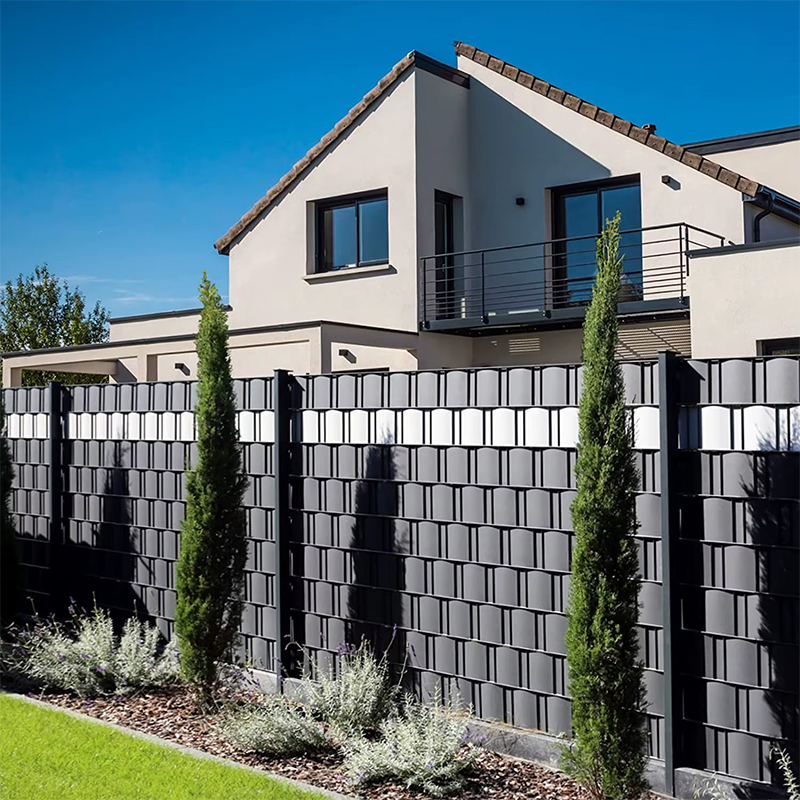
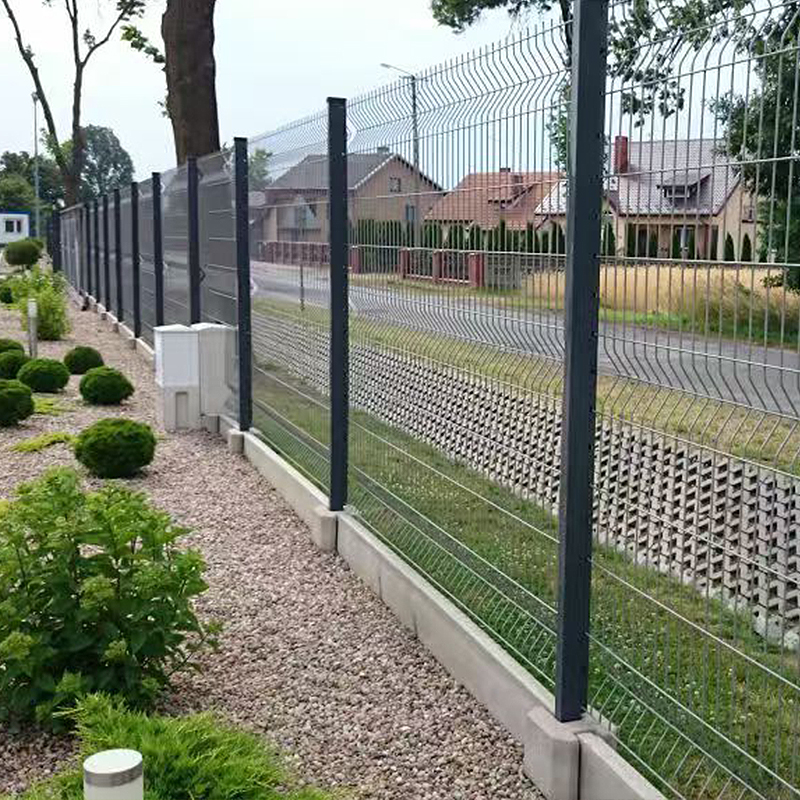
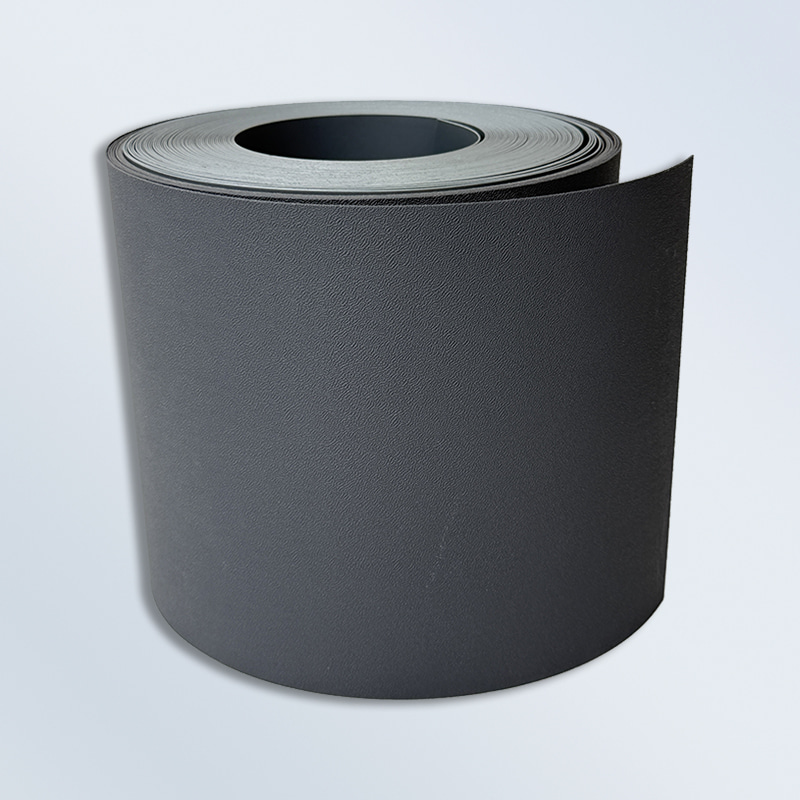
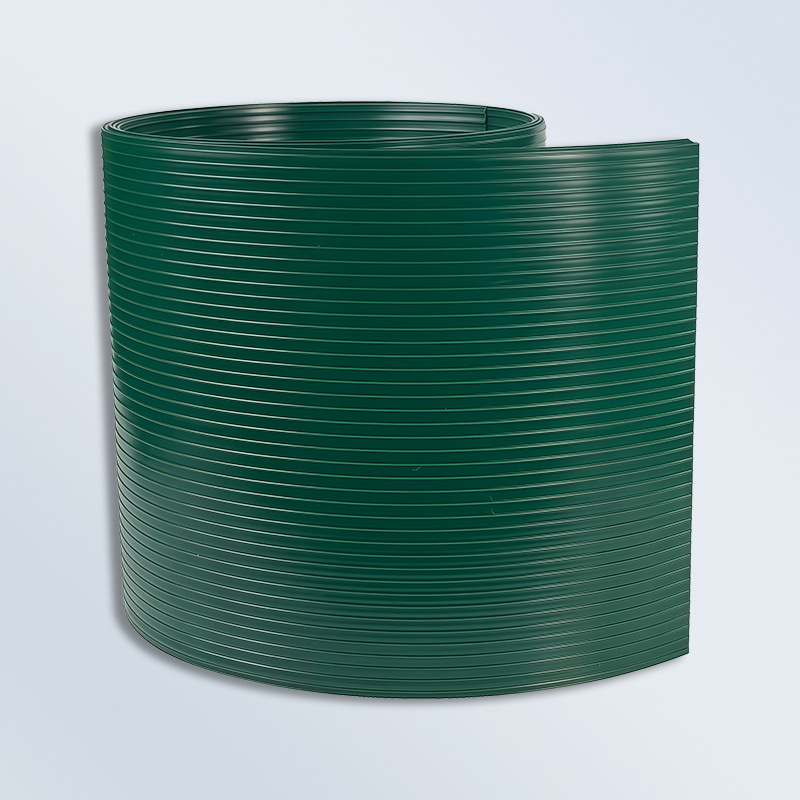
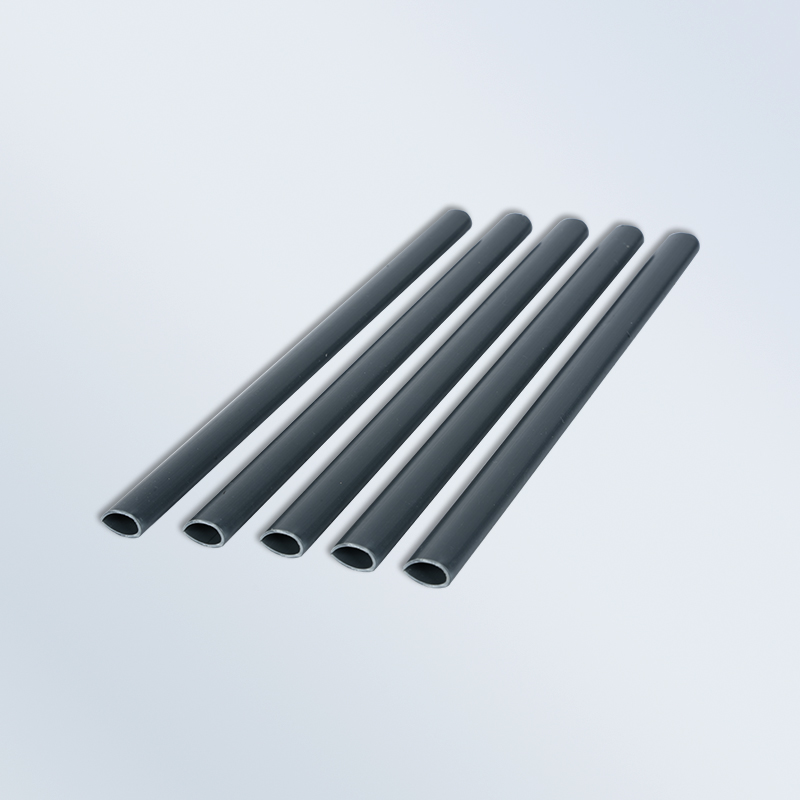
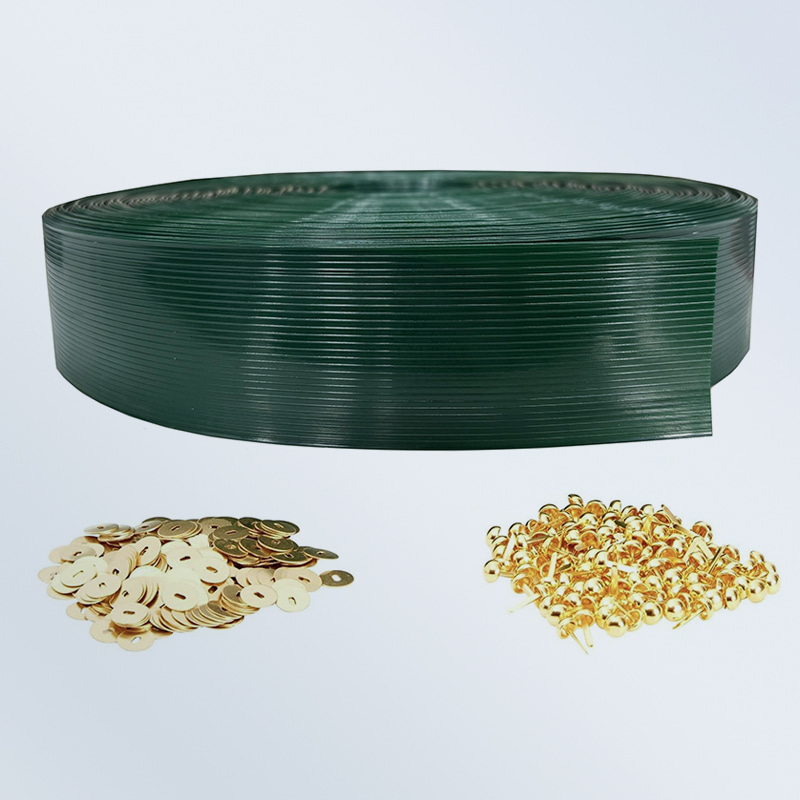
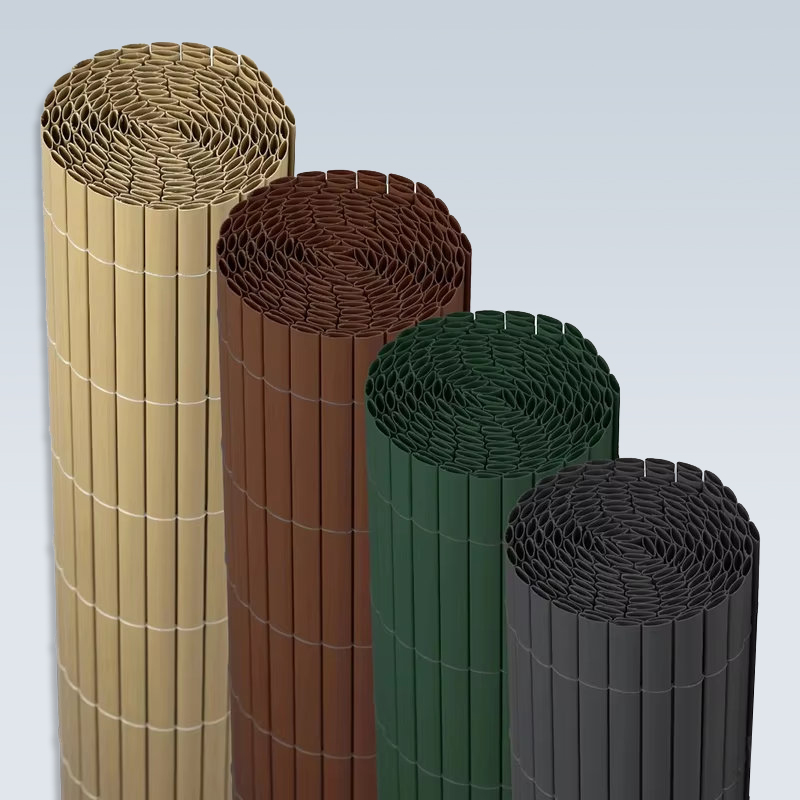
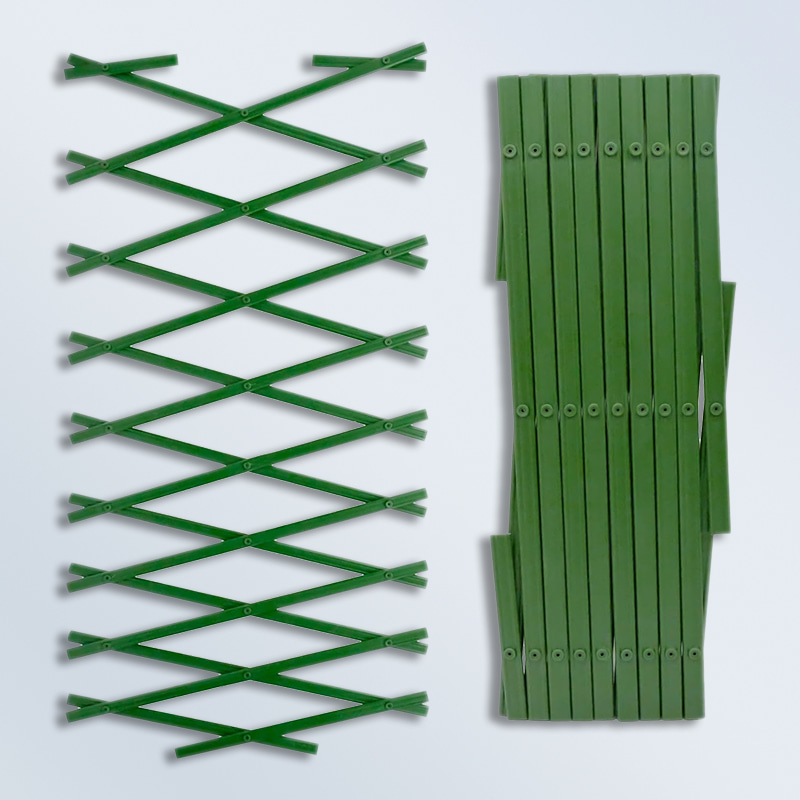
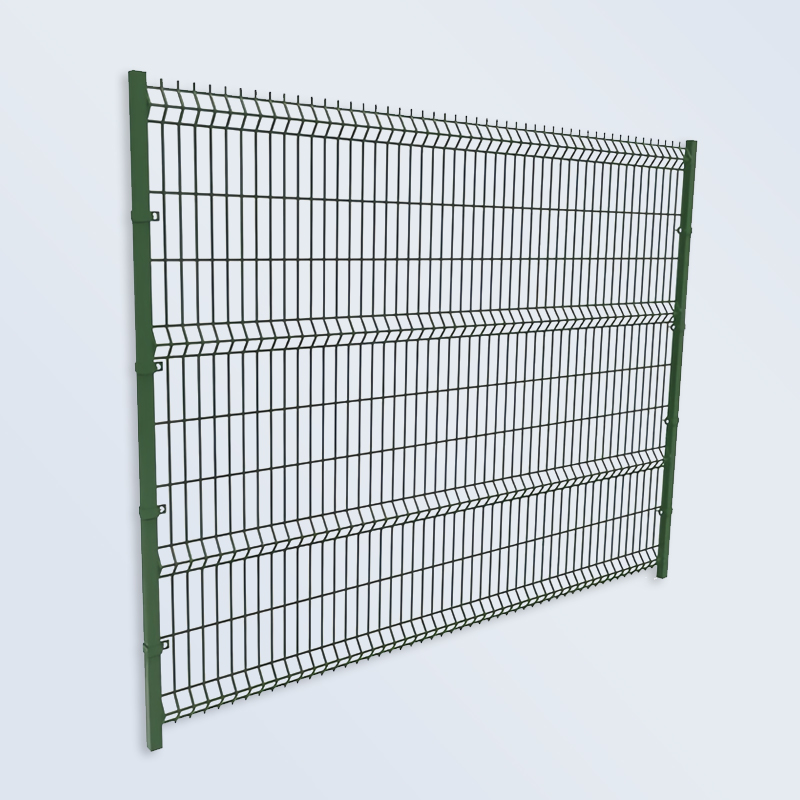
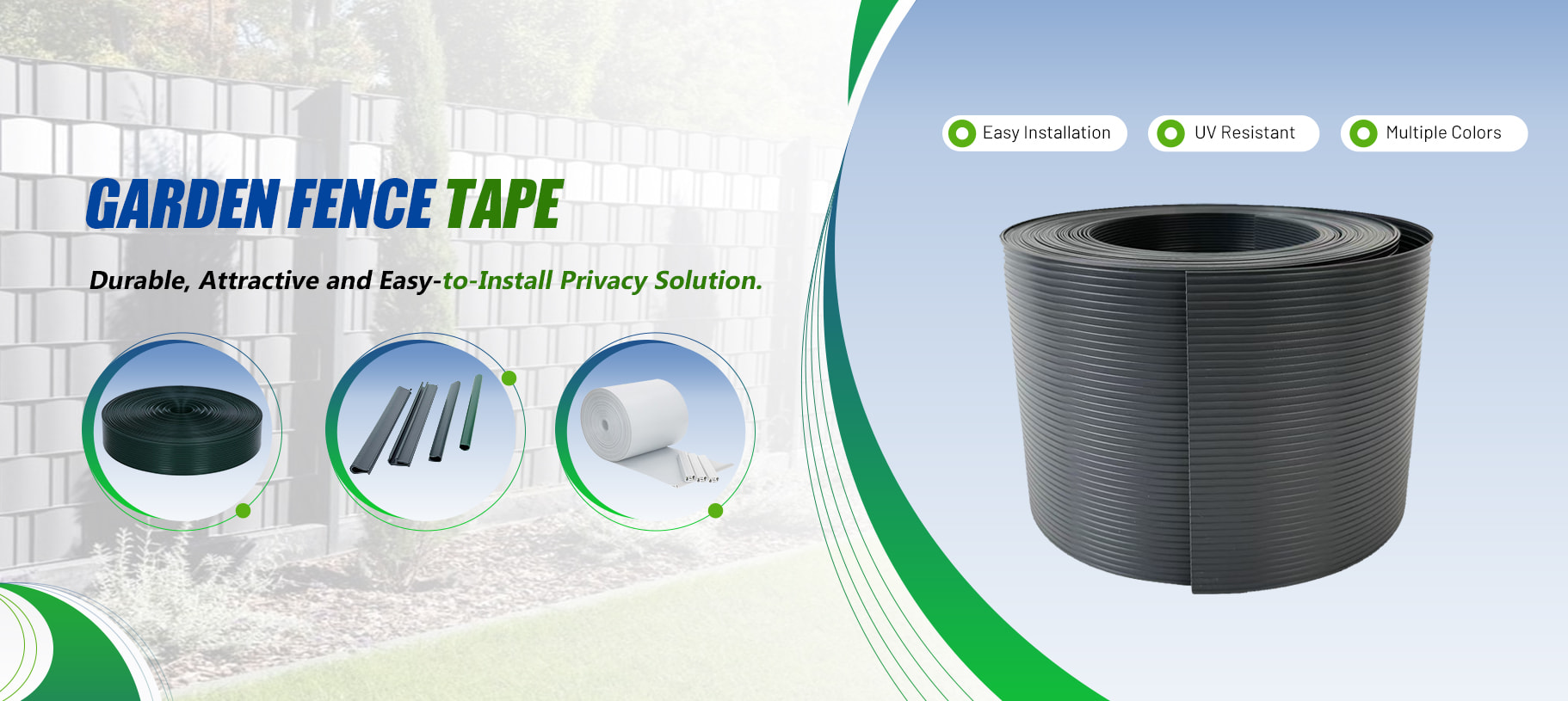
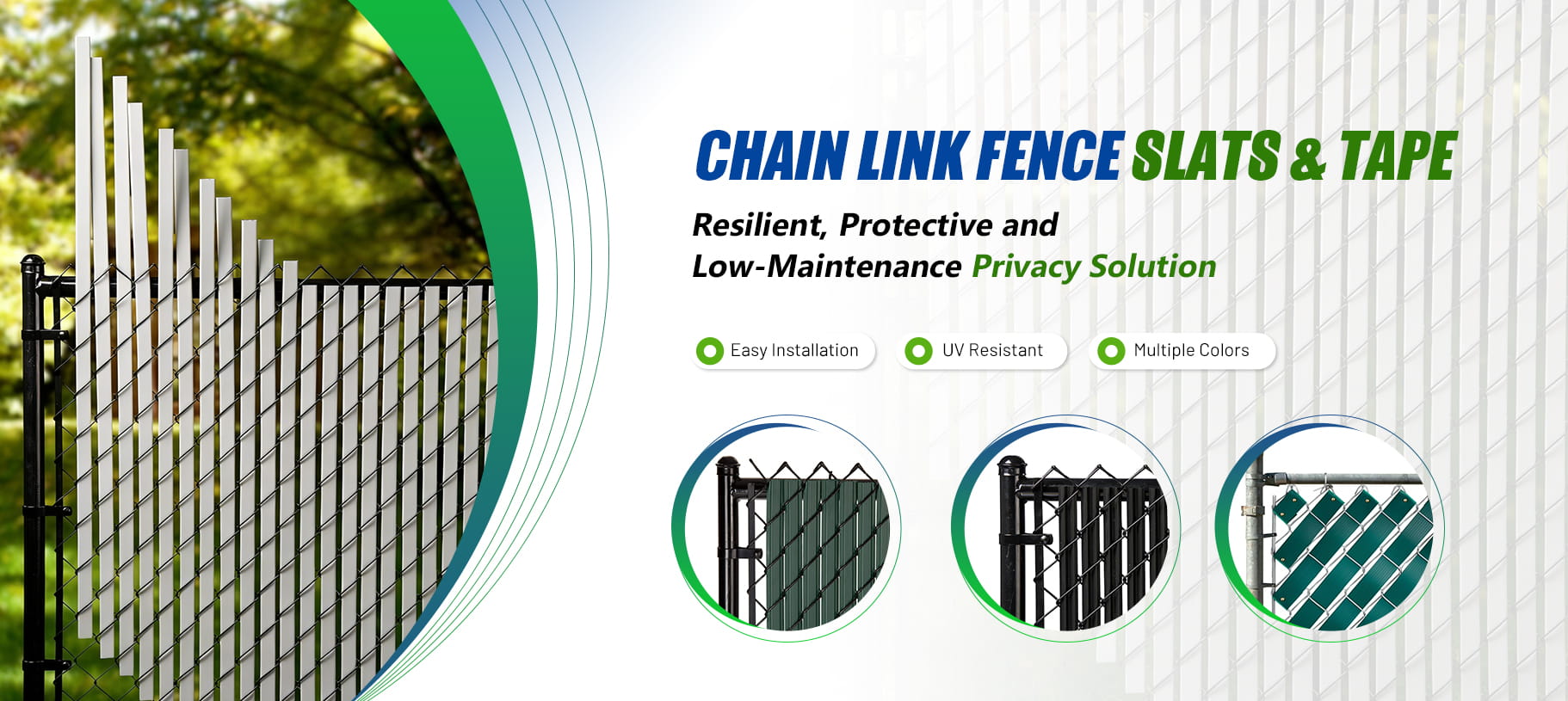
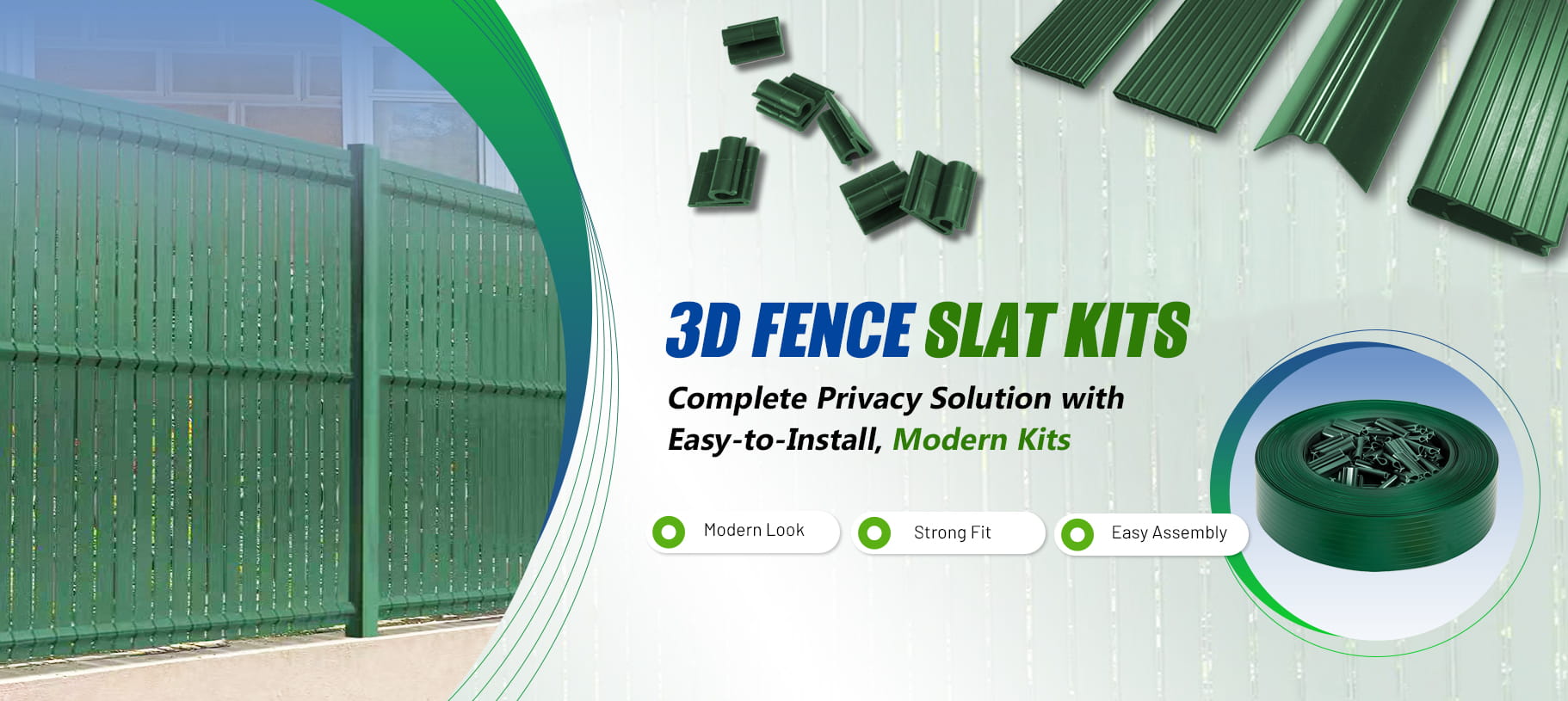
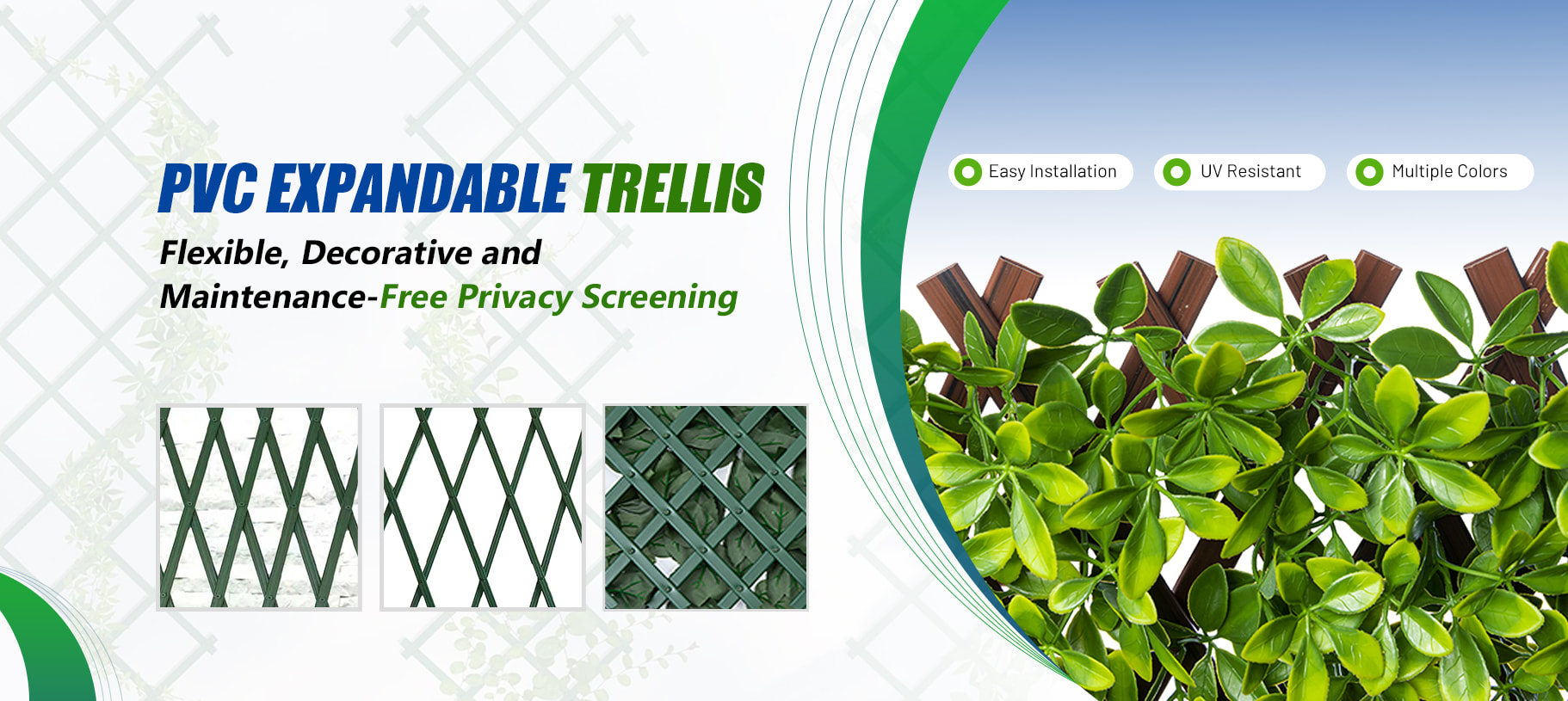
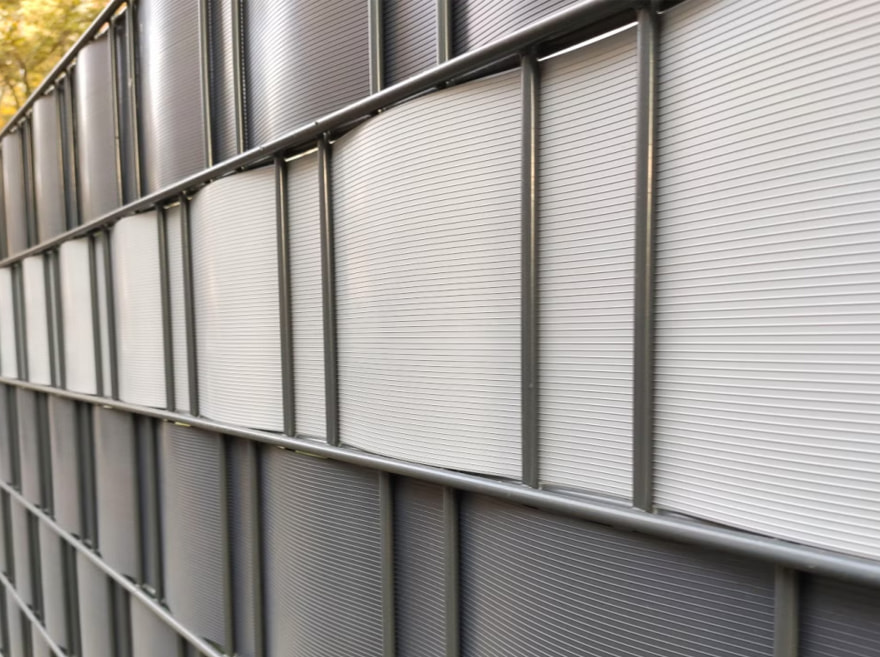
We provide a complete range of outdoor fencing and garden plastic products, including PP and PVC fence tapes, plastic fence slats, soft PVC strips, privacy fences, expandable trellis fences, garden edging, and other related outdoor plastic products.
Yes. We support size, color, surface and packaging customization. We can also develop new molds based on your drawings or samples.
Our products are made from UV-resistant, weatherproof materials, ensuring long-term outdoor performance. Strict quality control is applied from raw material to final production.
With mature production lines and stable capacity, we ensure fast delivery and consistent supply for bulk orders, supporting long-term cooperation.
What we happened
1、 Overview of MBBR ProcessMBBR process, also known as moving bed biofilm reactor, is a sewage treatment technology based on biofilm method. By adding a specific amount of suspended carrier to the reactor, this process effectively increases the biomass and biodiversity inside the reactor, thereby improving treatment efficiency. These carriers have a density similar to water, so they can be fully mixed with water during aeration, providing a suitable growth environment for microorganisms in the three phases of gas, liquid, and solid.In water, these carriers make air bubbles smaller through collision and shear, thereby improving the efficiency of oxygen utilization. It is worth noting that different microbial populations grow on both the inner and outer sides of each carrier. The interior is mainly composed of anaerobic or facultative bacteria, while the exterior is mainly composed of aerobic bacteria. This design makes each carrier a miniature reactor, allowing for simultaneous nitrification and denitrification reactions, thereby further optimizing the treatment efficiency.
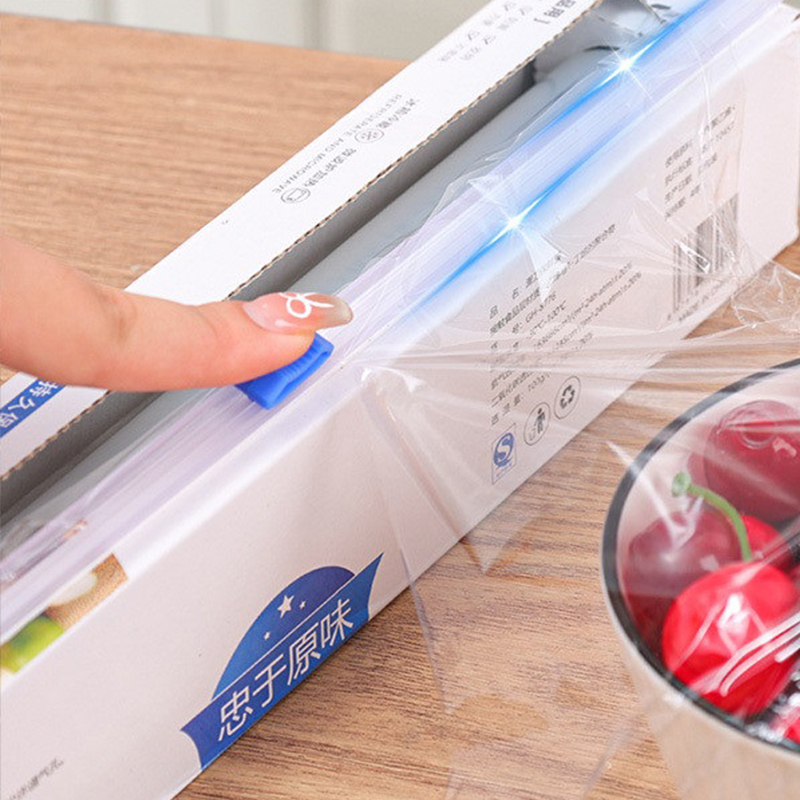
Read More+Plastic slide blade cutting strip is a tool used for cutting plastic materials, usually consisting of a blade and a slide blade. Its main purpose is to cut plastic pipes made of PVC, PPR, PU, PE, PP and other materials. The design of the plastic sliding blade cutting strip makes the cutting process smoother, reduces resistance during cutting, and usually has self-healing force, leaving no marks after cutting and not being affected by repeated use.Material and StructureThe material of plastic slide blade cutting strips is usually PVC synthetic material, which has good self recovery and wear resistance. Its structure generally includes blade and sliding blade parts, and some are also equipped with components such as springs and buckles to enhance the convenience and durability of use.Usage and application scenariosWhen using a plastic slide blade to cut strips, users can cut plastic materials by sliding the slide blade section. This tool is suitable for cutting various plastic pipes, such as PVC, PPR, PU, PE, PP and other materials. Due to its self recovery and wear resistance, plastic sliding blade cutting strips are suitable for occasions that require frequent cutting, and the repeated use effect is still good
Read More+PP core pipe is a type of pipe made of polypropylene (PP) material, which has the characteristics of non toxicity, hygiene, high temperature resistance, and recyclability. It is mainly used in indoor hot and cold water supply systems of buildings, and is also widely applicable to heating systems.characteristicHigh temperature resistance: PP pipes can be used in high temperature environments, with a long-term temperature range generally between -20 ℃ and 70 ℃, depending on their type.Wear resistance and corrosion resistance: PP pipes are non corrosive, wear-resistant, and non scaling, suitable for various chemical environments.Easy installation: The installation process of PP pipes is relatively simple, suitable for home installation and use.Long service life: PP pipes have a long service life and are suitable for long-term use.Type and application fieldPP-H (homopolymer polypropylene pipe): Suitable for the transportation of high-temperature liquids and chemicals, such as chemical plants and industrial pipeline systems.PP-B (Block copolymer polypropylene pipe): specially designed for cold and warm water transportation, suitable for building water supply and drainage systems.PP-R (random copolymer polypropylene pipe): widely used in cold and hot water pipeline systems, underfloor heating networks, and drinking water transportation in residential and commercial buildings.PP-RCT (High Temperature Resistant β - Crystalline Polypropylene Pipe): Suitable for high-temperature hot water pipeline systems and high standard industrial pipeline systems.FRPP (Glass Fiber Reinforced Polypropylene Pipe): With higher strength and corrosion resistance, it is suitable for industrial applications that require higher performance.
Read More+Plastic rectangular tube is a hollow rectangular cross-section pipe material, usually made of plastic material. It has the characteristics of lightweight, corrosion resistance, and easy processing, and is widely used in various fields.Definition and characteristics of plastic rectangular pipesPlastic rectangular tube is a hollow rectangular cross-section pipe material, usually made of plastic material. It has the following characteristics:Lightweight: Compared to metal rectangular pipes, plastic rectangular pipes are lighter in weight and easier to handle and install.Corrosion resistance: It has good chemical corrosion resistance and is suitable for various corrosive environments.Easy to process: It can be easily molded through injection molding, extrusion and other processes to meet various complex design requirements.Good insulation performance: It has good insulation performance and is suitable for occasions that require electrical insulation.Application fields of plastic rectangular pipesPlastic rectangular pipes have a wide range of applications in multiple fields:Architecture: Used for supporting and framing in building structures, such as door and window frames, roof supports, etc.Agriculture: Used as a support structure for greenhouses to improve their stability and durability.Industry: Used for supporting and protecting various industrial equipment, such as machine bases, conveyor belt supports, etc.Furniture manufacturing: used to make supporting structures for furniture, such as table legs, chair legs, etc.Drainage system: used for drainage pipelines and irrigation systems, with good corrosion resistance and fluid transmission capacity.Advantages and disadvantages of plastic rectangular pipesAdvantages:Lightweight: easy to handle and install, reducing transportation costs.Corrosion resistance: Suitable for various corrosive environments, extending service life.Good insulation performance: suitable for occasions that require electrical insulation, ensuring safety.Easy to process: easily molded through injection molding, extrusion and other processes to meet various complex design requirements.Disadvantages:Low strength: Compared to metal materials, plastic rectangular pipes have lower strength and are not suitable for withstanding heavy loads.Low thermal conductivity: Plastic has a low thermal conductivity and is not suitable for use in high-temperature environments.
Read More+PVC strip chamfer is a strip-shaped item made of PVC plastic material, mainly used to protect the edges and corners of the item, prevent wear and scratches. Its shapes are diverse, including rounded corners, right angles, and oblique angles, and can be customized according to needs. The chamfered appearance of PVC strips is smooth and flat, with a certain degree of hardness and toughness, which can effectively extend the service life of items.Application scenarios and functions of PVC strip chamferingProtecting the surface of items: During transportation, processing, and storage, the surface of items is prone to wear or scratches. Using PVC strips for chamfering can effectively prevent this situation and protect the integrity of the items.Improve aesthetics: Treat the corners of the item to make them soft and smooth, resulting in a more aesthetically pleasing appearance.Improving hand feel: For some sharp edged items, using PVC strips for chamfering can make the hand feel more comfortable.Safety protection: In some situations, sharp corners may cause safety accidents. Using PVC strips to chamfer can reduce the probability of such accidents and improve safety.Material and manufacturing process of PVC strip chamferingThe main material for chamfering PVC strips is polyvinyl chloride (PVC), which has good wear resistance, oil resistance, heat resistance, and high strength and hardness, suitable for use in various furniture and buildingsThe production process usually includes mechanical pressing and other steps, which can present the effects of various plastic materials
Read More+Foamed plastic profiles refer to plastic materials with numerous gas micropores made by foaming molding technology. This material has characteristics such as lightweight, thermal insulation, sound absorption, and shock absorption, and its dielectric properties are superior to those of the matrix resin.CraftsmanshipThe production of foamed plastic profiles is mainly achieved through foaming molding technology. The specific process involves dispersing a large number of gas micropores in solid plastics, which can be achieved through mechanical methods (such as mechanical stirring while introducing air or carbon dioxide) or chemical methods (adding foaming agents).classificationFoam plastic profiles can be classified according to the cell structure and density:According to the cell structure: closed cell foam plastic (all cells are almost disconnected), open cell foam plastic (all cells are almost connected), mesh foam plastic (cells are almost wall free).According to density: low foaming (density greater than 0.4g/cm ³), medium foaming (density of 0.1-0.4g/cm ³), high foaming (density less than 0.1g/cm ³).application area Foamed plastic profiles are widely used in many fields due to their excellent performance:Industry: Used for sound insulation and thermal insulation materials.Agriculture: Used for insulation materials.Architecture: Used for sound insulation and thermal insulation materials.Transportation: Used as sound insulation, thermal insulation, and shock absorption materials for automobiles and ships.Environmental Protection and SustainabilityThe recycling and treatment of foamed plastic profiles is relatively difficult, which causes some pollution to the environment. Therefore, attention should be paid to their environmental protection and sustainability in the process of promotion and use.
Read More+