Material Choices That Affect Privacy Performance
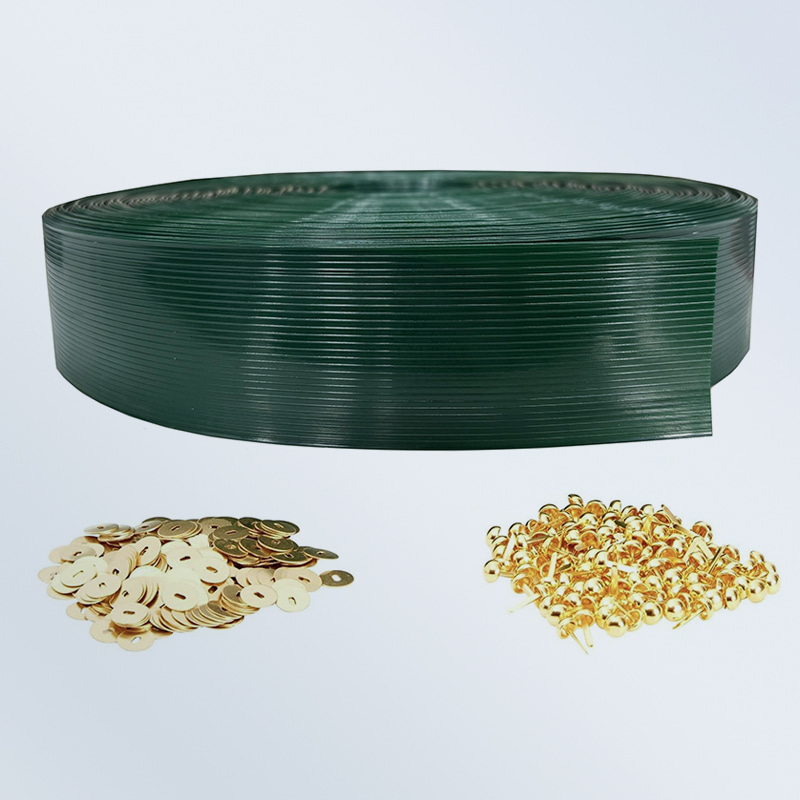
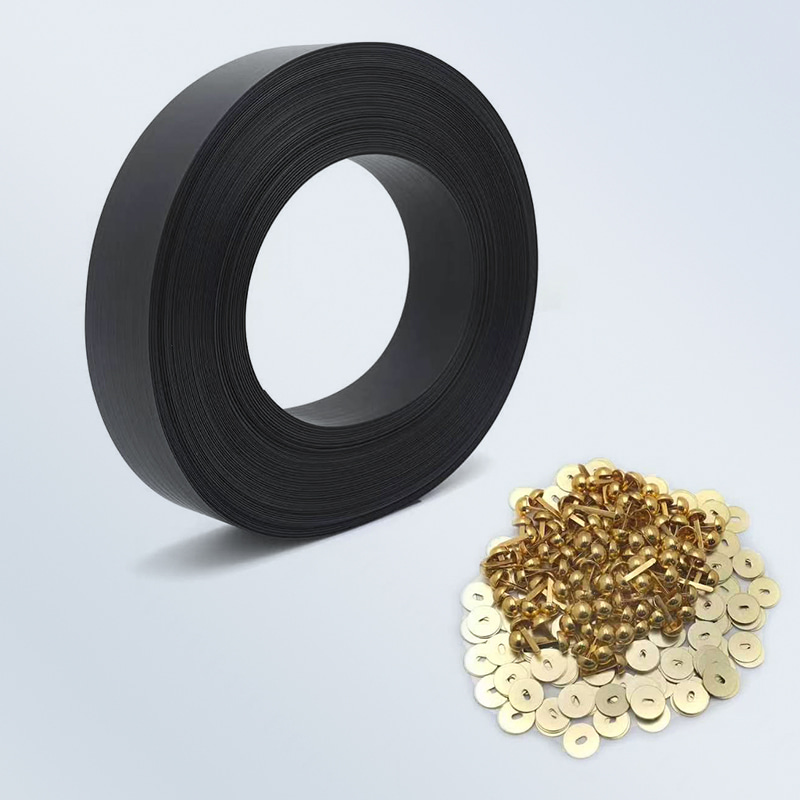
At Zhejiang Huzhou Dayou Plastic Technology Co., Ltd, we often see buyers overlook how raw material formulation directly determines the lifespan and privacy effectiveness of Chain Link Fence Privacy Tape. High‑density polyethylene (HDPE) with UV stabilizers is the industry benchmark, but the loading percentage of UV inhibitors makes a measurable difference—products with less than 2% UV masterbatch typically show visible fading and embrittlement within two to three years in full‑sun exposures. For commercial or long‑term residential installations, specifying tape with at least 3% UV stabilization and a wall thickness above 0.35 mm can double the service life compared to entry‑level options.
Another factor is the locking profile design. Traditional S‑shaped or corrugated cross‑sections provide basic grip, but newer diamond‑ribbed or double‑lock edges resist wind lift significantly better. In field comparisons, double‑lock edge tapes maintained position after sustained 60 km/h gusts, while standard profiles required realignment. When choosing a tape, prioritize profiles that create mechanical interlock with the chain link wire, not just friction fit.
Installation Techniques That Minimize Future Sagging
Correct tensioning during installation is the single most controllable variable for long‑term appearance. A common mistake is weaving the tape without pre‑stretching, which leaves slack that accumulates into visible waves after the first summer heat cycle. The recommended approach is to unroll the tape 24 hours before installation and let it relax at ambient temperature, then apply consistent hand tension of around 3–5 kg while feeding it through the mesh. For spans over 15 meters, use a ratchet tensioning tool rather than relying on manual pull; this keeps the vertical alignment perfectly straight when viewed from an angle.
End‑of‑run anchoring also deserves more attention. At Zhejiang Huzhou Dayou Plastic Technology Co., Ltd, we have observed that simply folding the tape end back through the fence link is insufficient for high‑wind areas. A more durable method is to use stainless‑steel hog rings or UV‑resistant cable ties at both the top and bottom rails every 150 mm along the terminal post. This distributes the load and prevents the tape end from pulling through the weave over time.
Realistic Privacy Levels and Light Transmission Data
Buyers frequently ask for “100% privacy,” but the physical nature of chain link tape means there is always a balance between airflow, wind load, and visual screening. Actual privacy is better measured by the open‑area percentage of the tape weave after installation. Standard 2‑inch mesh with 1‑inch wide tape leaves roughly 35–45% open area, which blocks direct line‑of‑sight at distances beyond 8 meters but still allows diffused light and breeze. To achieve the highest privacy level possible with tape systems, select a wider tape width (1.5 inches or more) and a denser weave pattern, which can reduce the open area to around 20% without compromising structural integrity.
The table below gives a practical reference for different combinations. These figures assume proper installation and average tape thickness.
Approximate open area and privacy rating for common chain link tape configurations
| Tape Width |
Mesh Size |
Approx. Open Area |
Visual Privacy Level |
| 1 inch |
2 inch |
40–45% |
Moderate |
| 1.5 inch |
2 inch |
28–32% |
High |
| 1.5 inch |
1.75 inch |
18–22% |
Very high |
For applications demanding the highest privacy without moving to solid panels, choosing the right width and mesh combination is the most cost‑effective path. Zhejiang Huzhou Dayou Plastic Technology Co., Ltd can provide specific open‑area calculations based on fence dimensions.
Maintenance Schedules That Prevent Premature Replacement
A well‑specified Chain Link Fence Privacy Tape installation is not maintenance‑free, but the required care is modest compared to wood or metal screening. The primary maintenance action is an annual visual inspection after the harshest weather season. Look for point abrasion where the tape contacts post brackets or tension wire—these spots can wear through if the fence flexes repeatedly. Applying a small piece of adhesive‑backed HDPE patch tape at wear points can add three to five years to the overall life of the screen.
Cleaning should be limited to low‑pressure water and a soft brush; pressure washers above 100 bar can force dirt into the material's micro‑grooves and accelerate surface degradation. In regions with heavy pollen or industrial fallout, a bi‑annual rinse with mild soap solution keeps the original color stable and prevents the buildup that can lead to mold staining. At Zhejiang Huzhou Dayou Plastic Technology Co., Ltd, our field data shows that installations following a basic annual check and gentle cleaning routine maintain over 85% of their initial tensile strength after five years, making them a genuinely low‑cost long‑term privacy solution.




 Español
  Deutsch