
 2026.08.24
 Industry News
Content
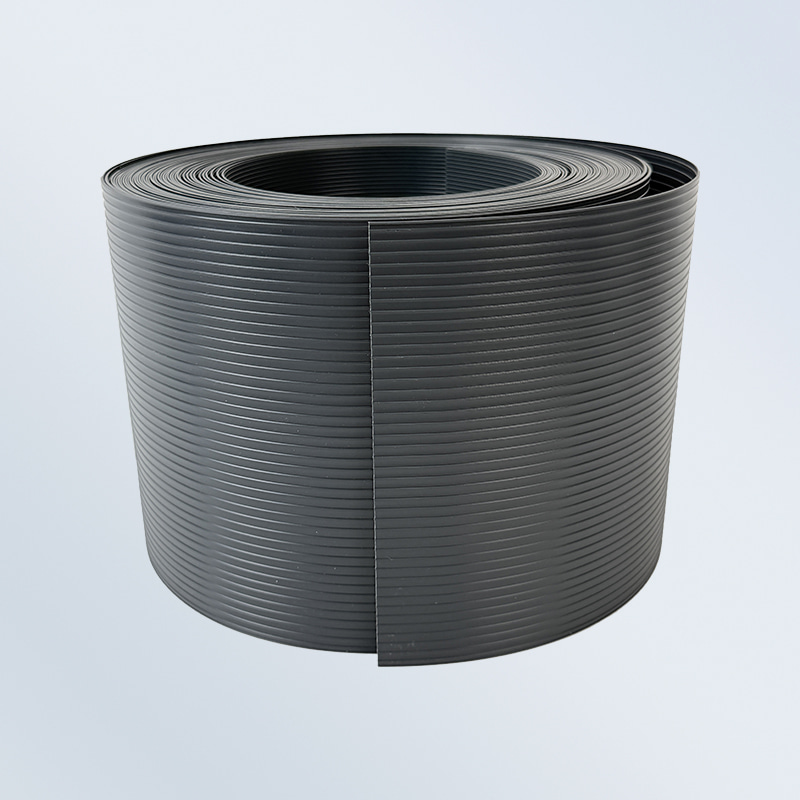
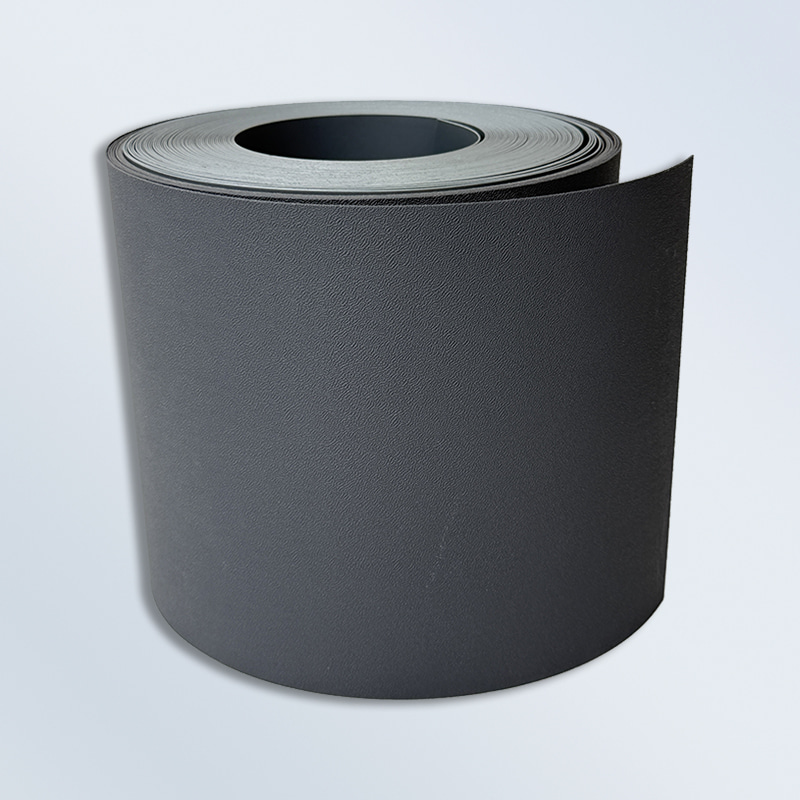
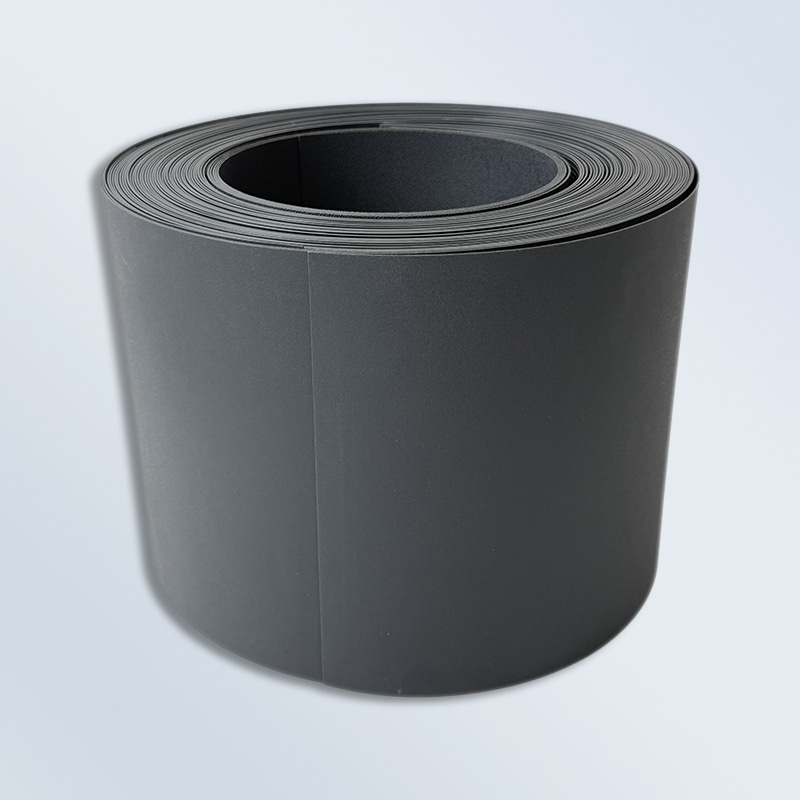
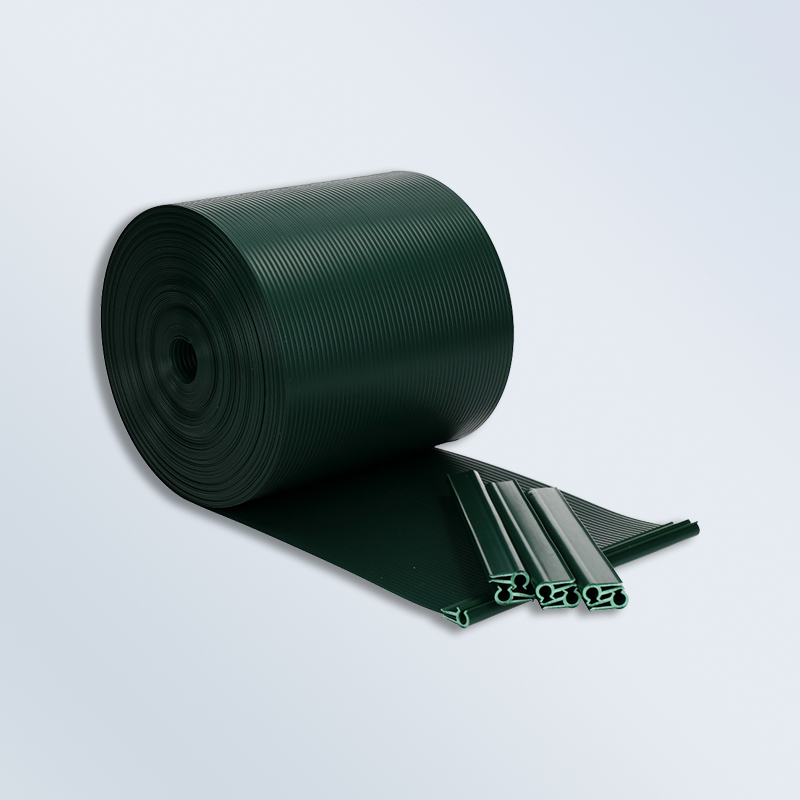
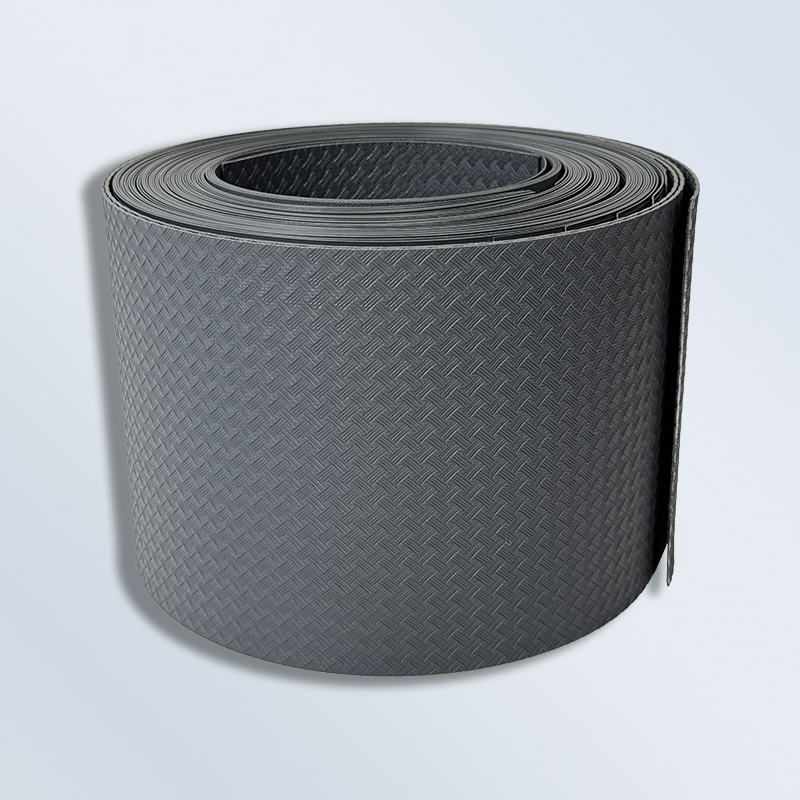
Hard PP fence tape is a high-tensile, UV-stabilized polypropylene fencing material used in modern agriculture for perimeter fencing, livestock containment, crop protection, and temporary enclosures. It offers a practical, cost-effective alternative to metal wire and wood. Browse our hard PP fence tape specifications here.
Modern agriculture has undergone a quiet transformation in fencing materials over the past two decades. Where farmers once relied almost exclusively on barbed wire, wooden posts, and electric ropes, a new category of synthetic fencing has emerged: hard PP fence tape.
Hard PP (polypropylene) fence tape is not the soft, flexible tape used for temporary garden barriers. It is a rigid, high-tensile tape engineered specifically for agricultural environments. It offers structural integrity comparable to light gauge wire while eliminating the drawbacks of metal: rust, conductivity, and animal injury risk.
This shift is not merely about replacing one material with another. It reflects a broader change in how farms operate: labour efficiency, animal welfare, and cost management are now driving material choices.
The tensile strength of hard PP fence tape typically ranges from 400 to 800 N per 50mm width, depending on thickness and manufacturing process. This makes it suitable for containing medium-sized livestock such as cattle and horses, while remaining lightweight enough for single-person installation. View full technical specifications.
Hard PP fence tape serves multiple functions across different types of farms. Its versatility is one of its strongest selling points.
For cattle, horses, sheep, and goats, hard PP fence tape provides a visible barrier that animals quickly learn to respect. The tape's bright colours (often white, orange, or yellow) create a visual deterrent, reducing the likelihood of animals charging through the fence.
Unlike barbed wire, hard PP tape does not cause lacerations or puncture wounds. This is particularly important for high-value livestock where injuries can reduce market value.
Farms growing high-value crops such as fruits, vegetables, or nursery stock use hard PP fence tape to create deer and rabbit exclusion zones. The tape can be installed as a perimeter barrier or as an internal subdivision within larger fields.
Its UV stability ensures that the tape does not become brittle and crack after prolonged sun exposure, maintaining its integrity through multiple growing seasons.
Hard PP fence tape is increasingly used in rotational grazing systems. Farmers can quickly set up and move temporary paddocks without heavy equipment. The tape rolls are lightweight and portable, making them ideal for farms that practice managed intensive grazing.
For permanent perimeter fencing, hard PP tape is often combined with steel or fibreglass posts. The tape's resistance to corrosion makes it particularly suitable for farms in coastal areas where salt air would quickly degrade metal wire.
| Feature | Hard PP Tape | Barbed Wire | Electric Wire | Wood Rail |
|---|---|---|---|---|
| Animal safety | High | Low | Medium | High |
| Installation speed | Fast | Slow | Medium | Slow |
| Rust resistance | Excellent | Poor | Poor | N/A |
| Visibility | High | Low | Low | High |
| Cost per metre | Low | Low | Medium | High |
When evaluating hard PP fence tape for agricultural use, buyers should consider several key technical parameters.
A common misconception is that all polypropylene fence tapes are the same. In reality, "hard PP" refers specifically to a formulation that uses higher molecular weight resin and specific extrusion parameters. This results in a stiffer, more durable tape that maintains tension better than soft PP variants.
Proper installation is critical to maximising the lifespan and effectiveness of hard PP fence tape.
After 5 years of field use, the most common maintenance task is retensioning rather than replacement. Periodic inspection of tension and fasteners, especially after extreme weather events, will extend service life significantly. In most temperate climates, the tape itself outlasts the posts.
Hard PP fence tape offers several advantages that align with modern sustainable farming practices.
Reduced material use: Compared to wooden rail fencing, hard PP tape uses significantly less raw material per metre of fence line. This reduces both cost and environmental footprint.
Recyclability: Polypropylene is a recyclable thermoplastic. Many manufacturers now offer take-back programmes for used tape, converting it into new products rather than sending it to landfill.
Lower carbon footprint: The manufacturing process for PP tape consumes less energy than steel wire production. Combined with lighter transport weight, this results in a lower carbon footprint for the complete supply chain.
Industry experts project that synthetic fencing materials, including hard PP tape, will capture 30 to 40 percent of the agricultural fencing market within the next decade. The primary driver is labour cost: farms facing labour shortages are seeking materials that one person can install without specialised equipment.
While hard PP fence tape is suitable for many applications, it is not ideal for every situation.
One factor often overlooked is the tape's performance in dusty or sandy environments. Hard PP tape's smooth surface does not accumulate dust as readily as textured tapes, meaning it remains visible even in dry, windy conditions. This is particularly relevant for farms in semi-arid regions.
The role of hard PP fence tape in agriculture is likely to expand as farms become more technology-integrated.
Integration with monitoring systems: Some manufacturers are exploring embedded sensors in fence tapes to monitor animal movement or fence integrity. While still in early development, this could transform fences from passive barriers into active management tools.
Enhanced UV formulations: New additive packages are extending UV resistance beyond 10 years, making hard PP tape competitive with the lifespan of treated timber posts.
Biodegradable options: Research into bio-based polypropylene alternatives may eventually produce fence tapes that combine durability with end-of-life biodegradability.
Hard PP fence tape has established itself as a versatile, cost-effective solution for modern agricultural fencing. Its combination of safety, visibility, ease of installation, and longevity makes it suitable for a wide range of applications from livestock containment to crop protection.
For farmers and agricultural professionals, understanding the technical specifications and installation requirements of hard PP tape ensures that they can select the right product for their specific needs. As farming continues to evolve toward more labour-efficient and sustainable practices, hard PP fence tape will play an increasingly important role in farm infrastructure.
Hard PP fence tape is manufactured from high-molecular-weight polypropylene resin, extruded into tape form with UV stabilizers and colour pigments. The "hard" designation refers to the specific formulation and processing that results in a stiff, high-tensile product. Check our product page for material details.
Yes, hard PP tape is widely used for horse fencing. Its high visibility helps horses see the fence clearly, and its smooth surface reduces the risk of injury compared to barbed wire or rough wood rails.
The recommended method is to use purpose-made polypropylene clips or buckles. Avoid tying knots, as they can reduce tensile strength and create stress points that lead to premature failure.
With proper installation and moderate UV exposure, hard PP fence tape typically lasts 5 to 10 years. Replacement is generally required when the tape becomes brittle, fades significantly, or loses tensile strength.
On a per-metre basis, hard PP tape is generally comparable to or slightly more expensive than basic barbed wire. However, when factoring in installation labour, post requirements, and longevity, the total cost is often lower for PP tape over the life of the fence. Contact us for bulk pricing.
Hard PP tape uses a higher molecular weight resin and specific extrusion parameters that result in a stiffer, more rigid tape with higher tensile strength. Soft PP tape is more flexible and is typically used for temporary or light-duty applications. Hard PP is designed for permanent agricultural fencing with higher load requirements. View our hard PP tape specs.

 +86-18267317201
 +86-572-2373931
 [email protected]
 1411 Building 1,No.1969 Chuangye Avenue, Huzhou City ,Zhejiang Province, China.
 | Login


 Español
  Deutsch