
 2026.09.03
 Industry News
Content
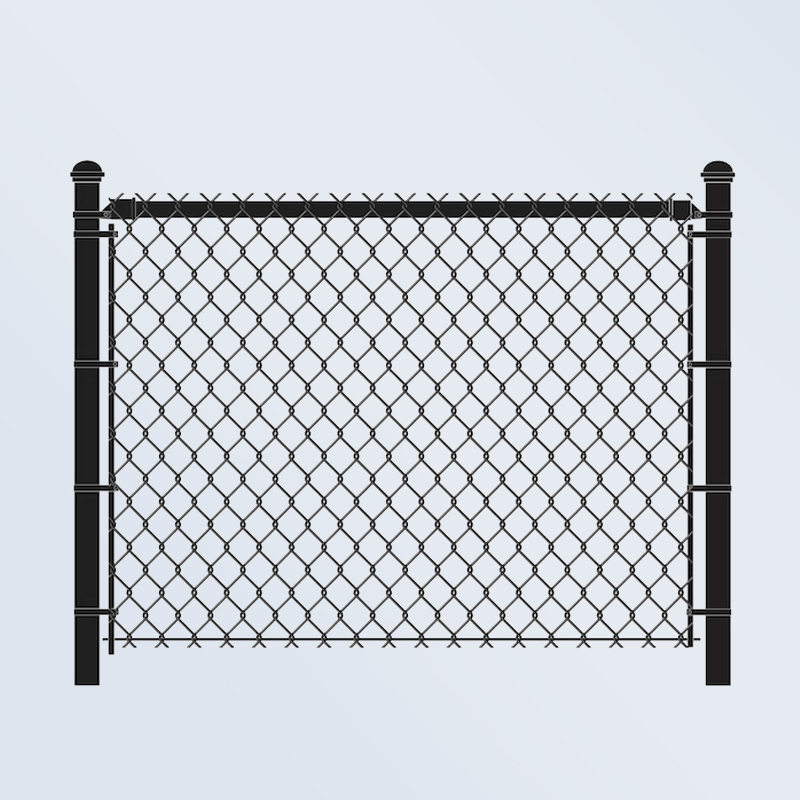
If your chain link fence is more transparent than private, adding slats is the fastest way to fix it without replacing the entire fence. A well-selected slat can block up to 90 percent of the view through the mesh, while also cutting wind, defining the boundary, and giving the fence a cleaner architectural look. Instead of accepting a see-through yard or paying for a full new fence, property owners and contractors install slats directly into the existing diamond mesh — a simple retrofit that works with standard chain link fabric.
But there is no single “best” chain link fence slat. The right choice depends on the mesh size of your fence, the level of privacy you need, and whether you care more about rigidity, flexibility, or wind resistance. This guide explains how slats work, compares the common materials, and highlights the practical details that separate a good purchase from a costly mistake.
Chain link fence slats are long, narrow strips fed vertically through the diamond openings of the fence mesh. Each slat locks into the mesh at a set spacing, and when installed across the full panel the strips create a continuous privacy screen. Standard slats are available in widths such as 1.5, 2, and 2.5 inches, and the width must be matched to the diamond mesh size to achieve the intended coverage. A 2-inch slat installed in a standard 2-inch mesh typically blocks about 85 percent of the visible area; using a wider profile or overlapping patterns can push coverage close to 95 percent.
Installation does not require special training. The slats are inserted one by one from the top or bottom of the mesh, and they can be cut to length with a simple blade or a dedicated plastic slide cutter. For large projects, using a slide cutter keeps the cut edge smooth and limits material waste. Because the slats are not glued or bolted, sections can be removed easily if you need to access the fence for maintenance.
Three families of materials dominate the chain link fence slat market: PVC strips, PE/PP tapes, and rigid fence strips. Each has a distinct balance of flexibility, durability, and visual finish, so matching the material to the site condition is essential.
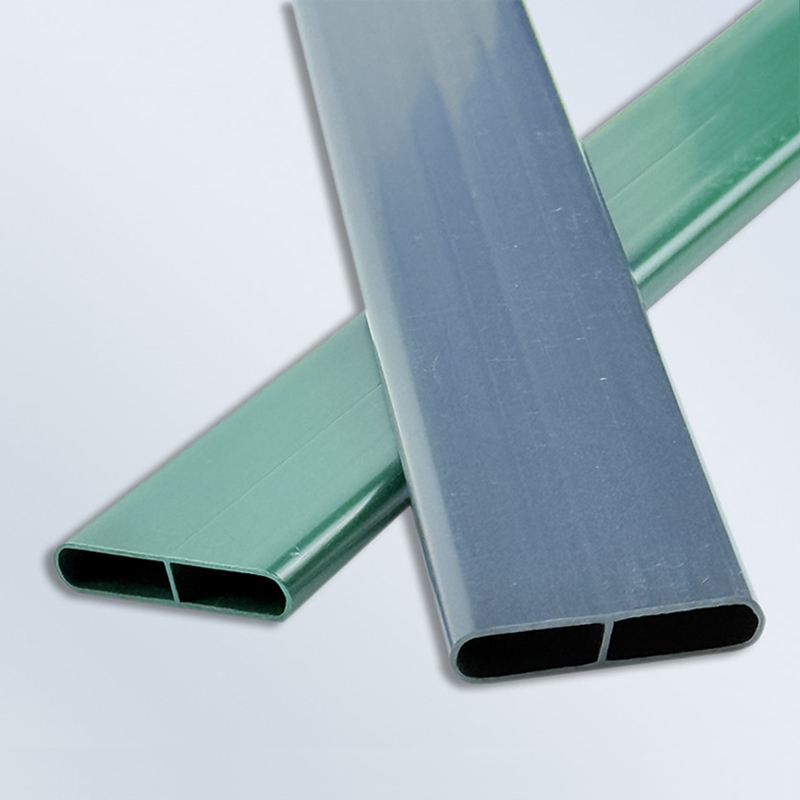
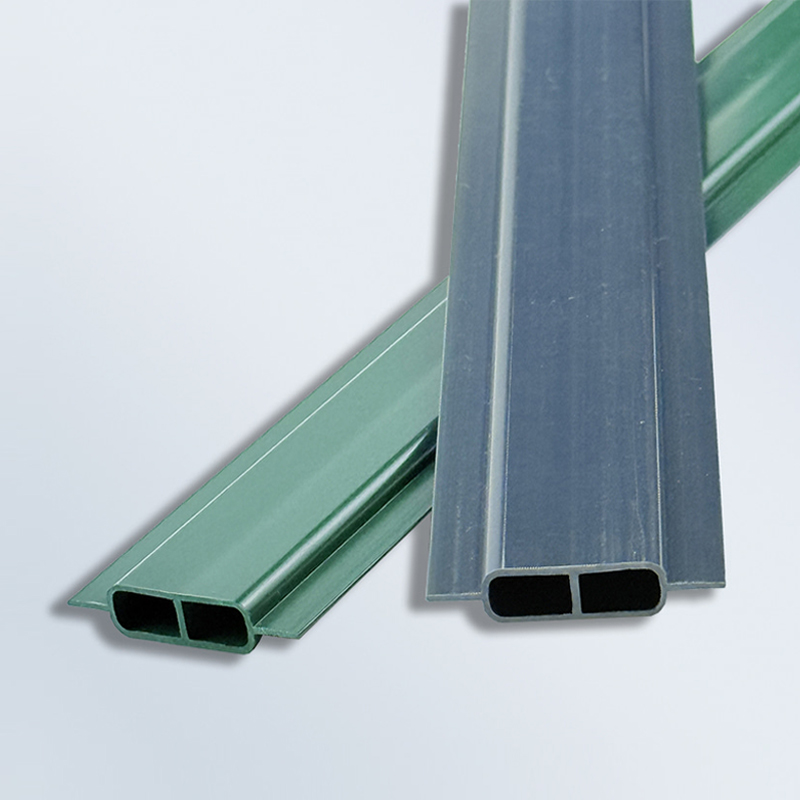
PVC is the most common material for chain link fence privacy products because it handles sun exposure well and holds its color. Ridged privacy slats use a profile with raised flanges on both edges, which helps the slat grip the wire mesh firmly and stay in place even in strong wind. For a softer, more finished look, tube-shaped privacy slats are a good pick because their hollow profile adds stiffness without making insertion difficult.
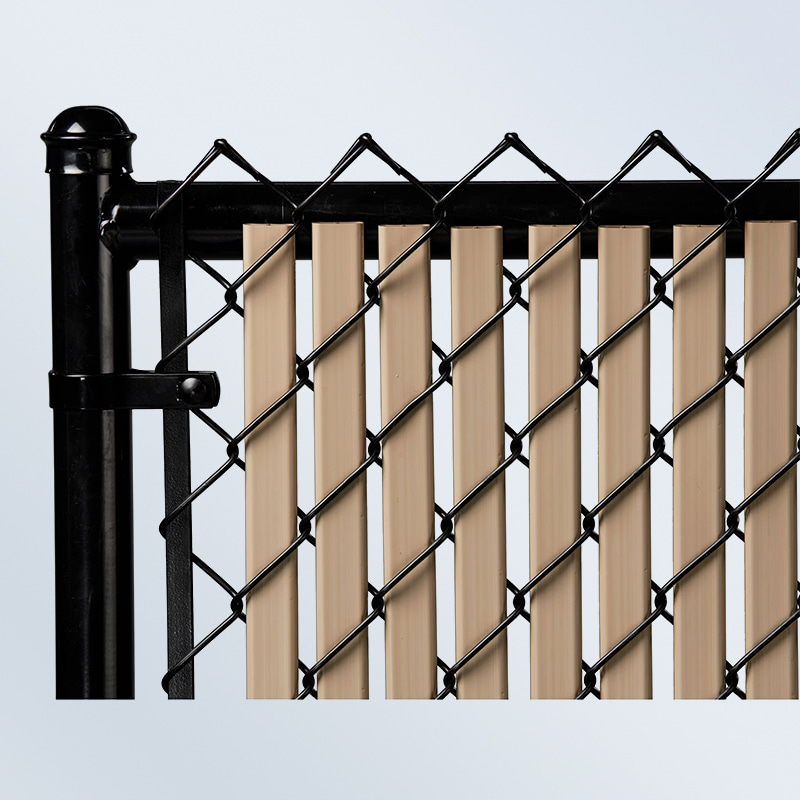 Custom Privacy Tube Slats For Chain Link Fence Manufacturers, FactoryZhejiang Huzhou Dayou Plastic Technology co.,ltd is China Custom Privacy Tube Slats For Chain Link Fence Manufacturers and factory.View Product →
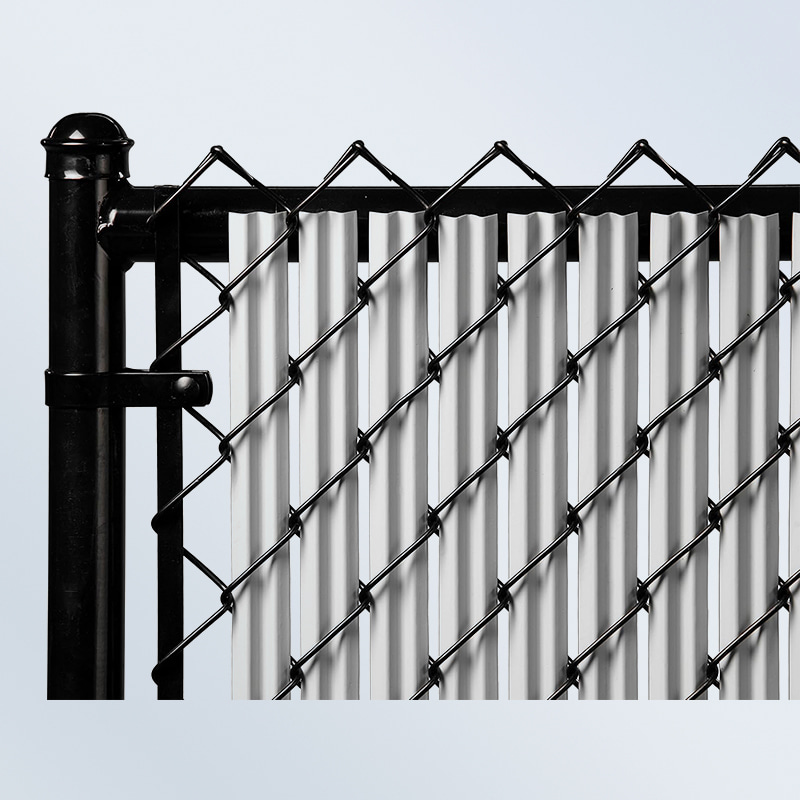 Custom Privacy Ridged Slats For Chain Link Fence Manufacturers, FactoryZhejiang Huzhou Dayou Plastic Technology co.,ltd is China Custom Privacy Ridged Slats For Chain Link Fence Manufacturers and factory.View Product →
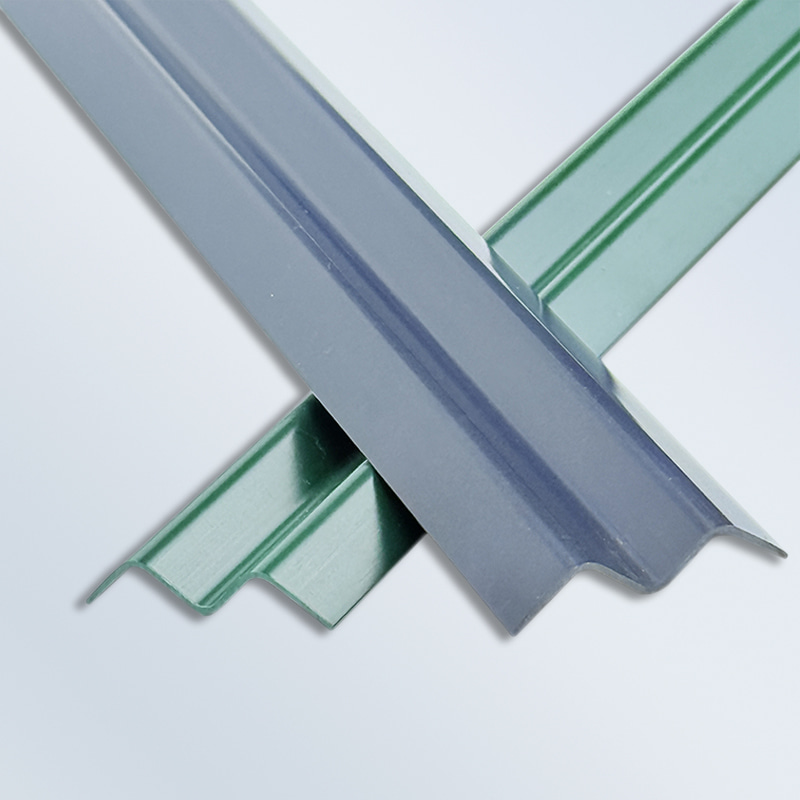
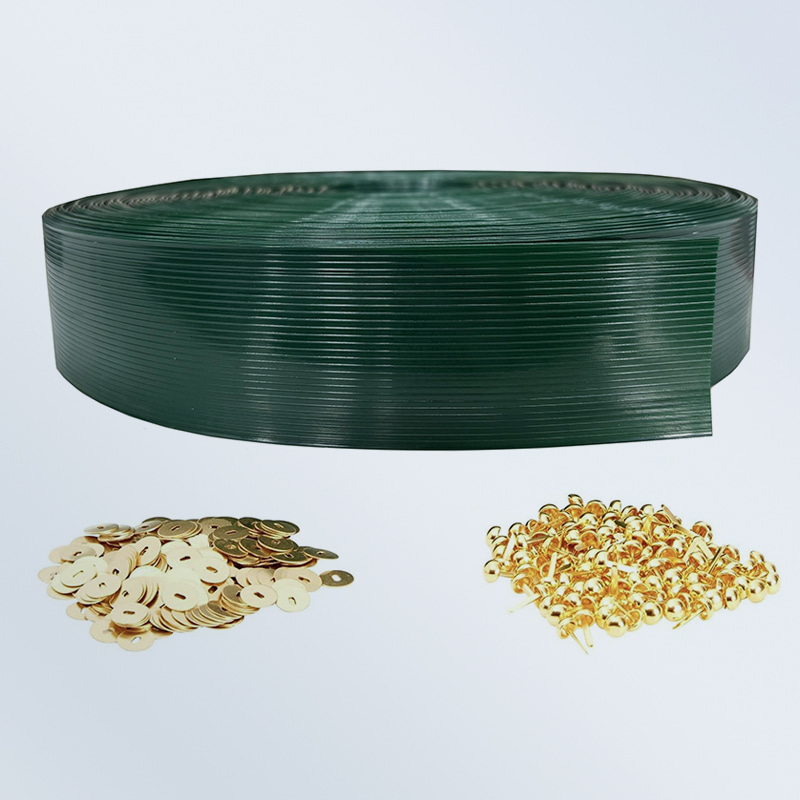
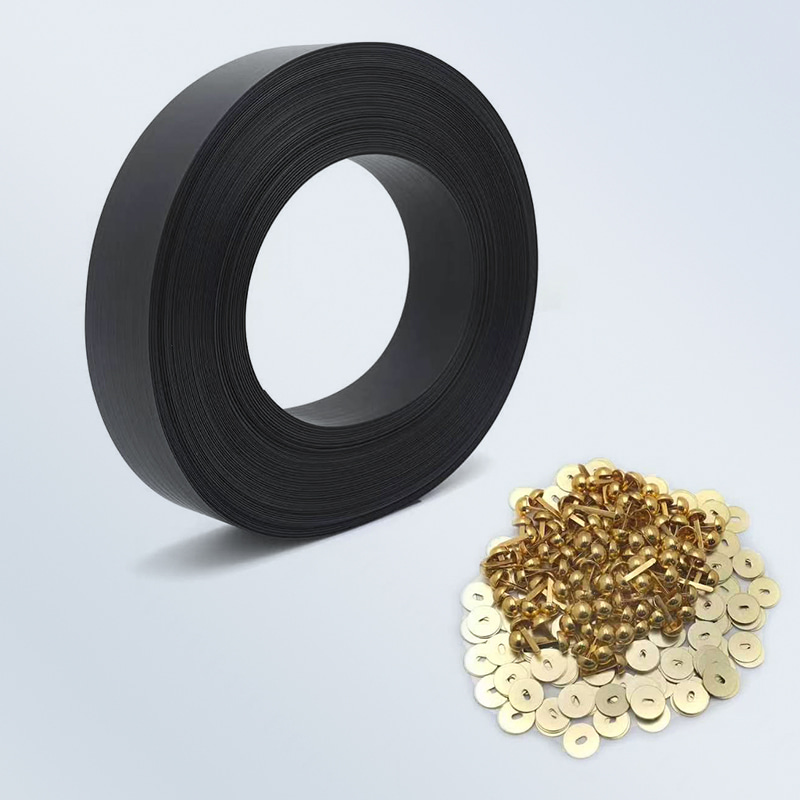
PE-based privacy tapes are a lightweight, low-cost option for temporary or agricultural use, but they lose flexibility faster than PVC when exposed to long-term sunlight. PVC privacy tape sits in the middle of the range: it is soft enough to weave horizontally through the mesh, yet more UV-resistant than PE. At the stiff end, hard PP fence strips give the fence a solid, board-like appearance and hold up well in wind-driven sites. Many contractors choose hard PP fence tape specifically for exposed property lines where the fence must keep its geometry during storms.
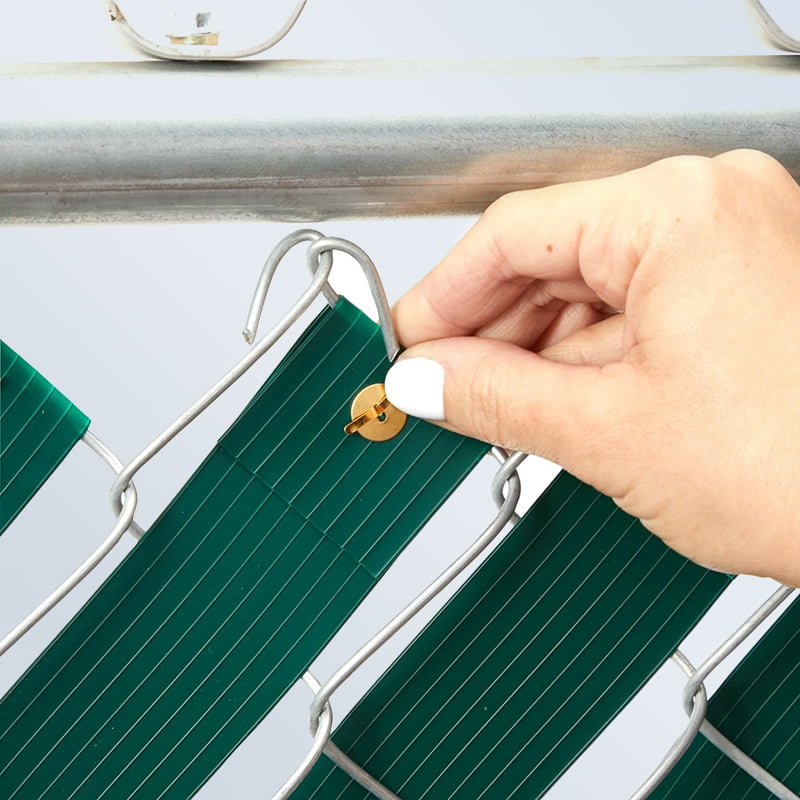 Custom Privacy PVC Tape For Chain Link fence Manufacturers, FactoryZhejiang Huzhou Dayou Plastic Technology co.,ltd is China Custom Privacy PVC Tape For Chain Link fence Manufacturers and factory. PE Priv...View Product →
Before ordering, verify the actual diamond mesh size and wire gauge of your fence. Slats that are too narrow will leave gaps; slats that are too wide may not feed through the openings. For a standard 50 mm mesh, use a slat width of approximately 38 to 50 mm depending on the profile. If you are uncertain, ask your supplier for a sample kit and test on a single panel before committing to a full shipment.
Next, confirm the privacy level you actually need. A 2-inch slat gives roughly 85 percent visibility blockage, which is acceptable for many backyards but not for a property line facing a busy street. If your goal is complete seclusion, choose wider slats or combine a slat with a privacy tape overlay. Keep in mind that greater coverage also means more wind load on the fence, so the fence posts and concrete footings must be strong enough to handle the extra force.
UV stability is another non-negotiable factor. Cheap slats may fade or become brittle after one to two seasons. A dependable PVC slat with UV-stabilized pigment should keep its color and flexibility for five to ten years in most climates. Ask for the supplier’s test data or color-fastness claims instead of relying on marketing wording.
Start installation from the bottom of the fence so the slats can support each other as you work upward. Cut slats slightly shorter than the full opening height; a 5-10 mm clearance allows the material to expand and contract without buckling. When you reach a corner or a tight tension section, use a plastic slide cutter rather than a metal knife to avoid cracking the PVC.
For security reasons, alternate the direction of the slats on adjacent panels. This makes it harder for someone to push the slats out from one side. If your fence is taller than 1.8 meters, install the slats from both sides and meet in the middle, which reduces the chance of splitting the profile during insertion.
After the slats are in, inspect every panel for gaps caused by bent wires or oversized openings. A few minutes of tightening with a fence strainer now can save hours of rework after the wind hits. Keep spare slats on site; cutting mistakes happen, and a small buffer protects your schedule and your warranty.
Chain link fence slats are a commodity product, but consistency matters. Slight variations in thickness, width, or color between batches become obvious when slats are installed side by side on a long fence line. Work with a supplier that controls the extrusion process from PVC/PE/PP resin to the finished profile. Buying from a plastic fence material supplier that also produces the matching clips, slide cutters, and core holders makes it easier to keep installation quality high on every job.
When evaluating options, request a cut-off sample and mount it on your actual mesh. Check the fit, the edge finish, and the resistance to bending. If the profile warps or the color is streaky, expect the same issue in production. The right supplier will help you select a slat profile based on your mesh size, wind loads, and privacy expectations, not just sell you the cheapest roll.

 +86-18267317201
 +86-572-2373931
 [email protected]
 1411 Building 1,No.1969 Chuangye Avenue, Huzhou City ,Zhejiang Province, China.
 | Login


 Español
  Deutsch