
 2026.08.24
 Industry News
Suppose you have just finished installing a run of 3D panel fencing around a garden, a commercial yard, or an industrial site. The welded mesh feels strong and secure, but the fence is transparent, the wind passes straight through, and the view from the neighbor's side is completely open. The practical fix is a set of 3D fence slats: flexible plastic strips woven through the mesh that turn an open security fence into a solid-looking privacy barrier. The right slat makes the fence work harder for years; the wrong one fades, cracks, or fights you during installation.
Content
3D fence slats are long, flexible strips cut from polypropylene (PP) or polyvinyl chloride (PVC) and designed to be threaded through the horizontal openings of a 3D welded-wire panel. They are different from chain-link privacy slats in both shape and installation logic, because a 3D panel has a rigid rectangular mesh and a characteristic V-bend that adds stiffness to the panel. Once the slats are in place, the fence becomes a nearly continuous surface that blocks sight lines and softens the industrial look of bare mesh.
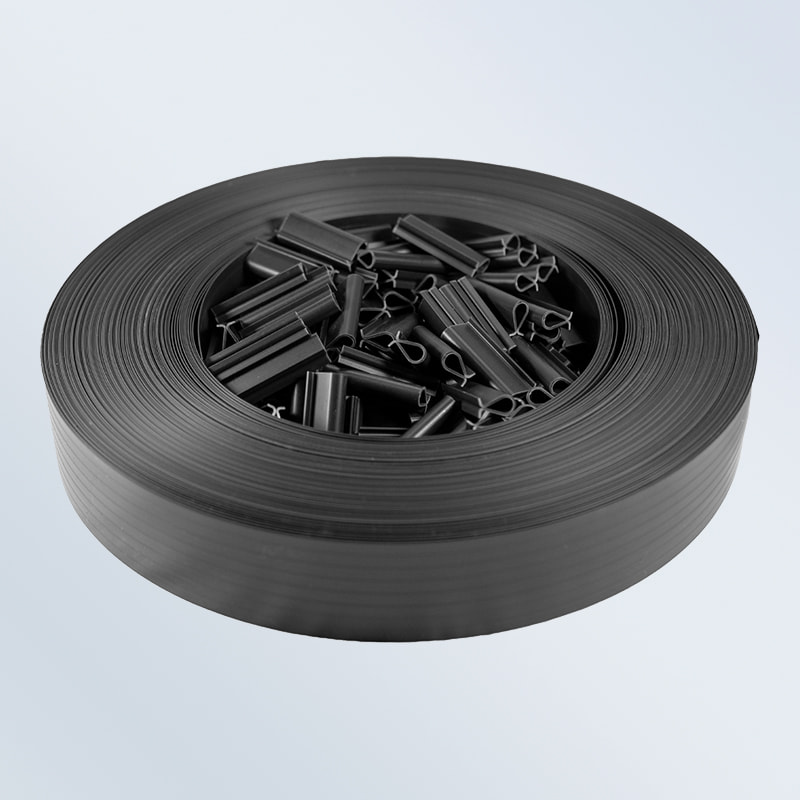
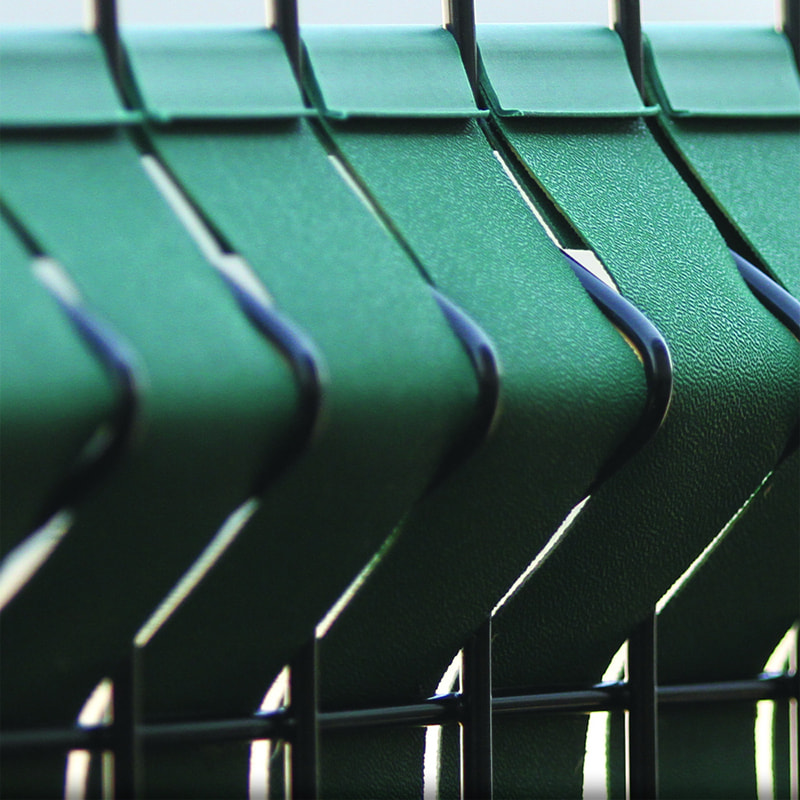
Each slat is pushed through the panel from one side, alternating over and under the horizontal wires, so it lies in the same plane as the mesh. The slat width is matched to the vertical spacing of the panel wires, which is what creates the closed surface. The ends of the slats are anchored against the frame, and on tall or wide panels, plastic mounting clips hold the strips at regular intervals so they do not slide sideways or rattle in the wind.
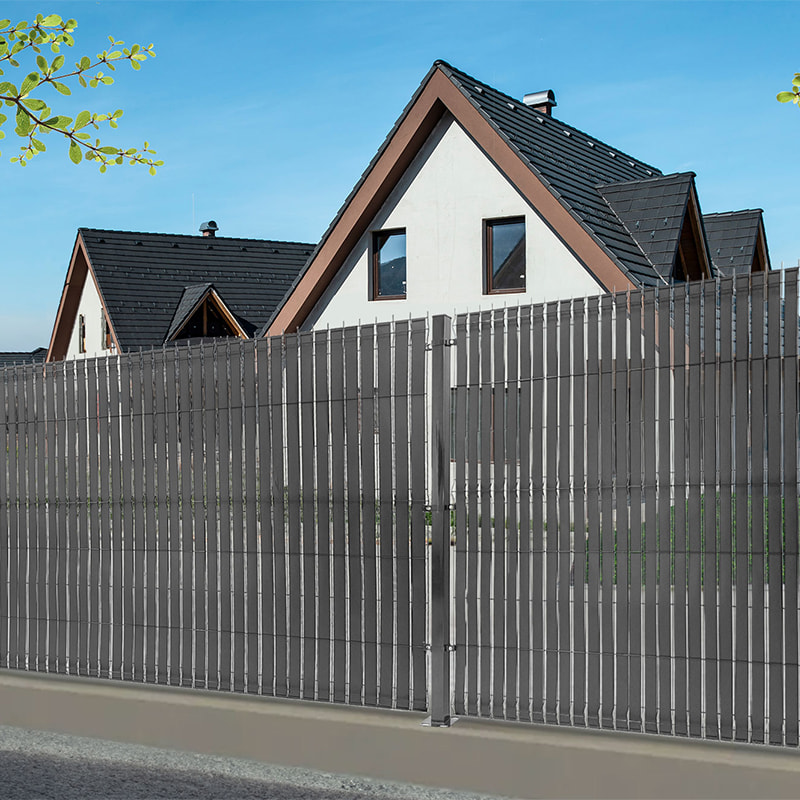
Installed slats cut wind speed across the boundary, reduce dust blow-through, and give the fence a uniform color surface that reads clearly from both sides. They also make the fence more difficult to climb, because the solid face removes the natural footholds of the mesh. For small gardens and large yards alike, the visual change is immediate: a see-through wire cage becomes a calm, defined boundary.
Slat material is the most important decision after sizing. Both PP and PVC are proven for outdoor fence applications, but they behave differently in sunlight, in cold weather, and during the weaving process. The table below summarizes the differences that matter most on site.
| Property | PP (Polypropylene) Slats | PVC (Polyvinyl Chloride) Slats |
|---|---|---|
| Flexibility | Stiff but springy; holds its shape well when woven | Softer and more pliable; easier to bend into position |
| UV resistance | Excellent when produced with UV-stabilized compounds; keeps color well in full sun | Good, but dulling or fading becomes visible sooner if the formulation lacks UV stabilizers |
| Cold-weather behavior | Remains workable in low temperatures without becoming brittle | Can stiffen noticeably in freezing conditions; install on milder days where possible |
| Surface appearance | Matte, slightly textured finish | Smoother and slightly glossier |
| Cost position | Usually a cost-efficient option at a given thickness | Raw material cost can be higher; final price depends on thickness and additives |
| Best fit | Open, sunny perimeters, industrial yards, agricultural sites | Residential gardens, terraces, and projects where appearance matters most |
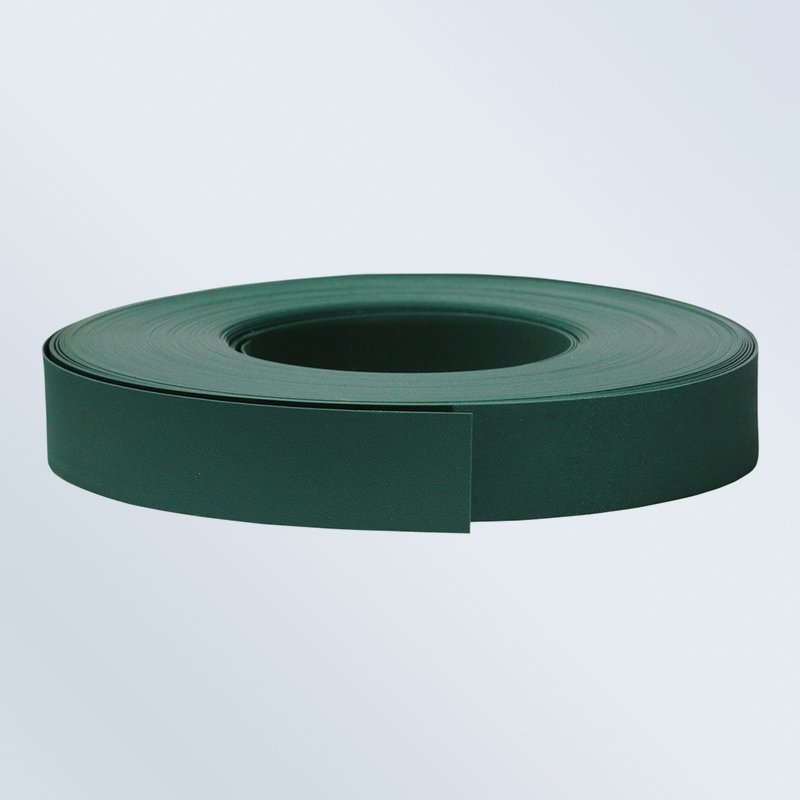
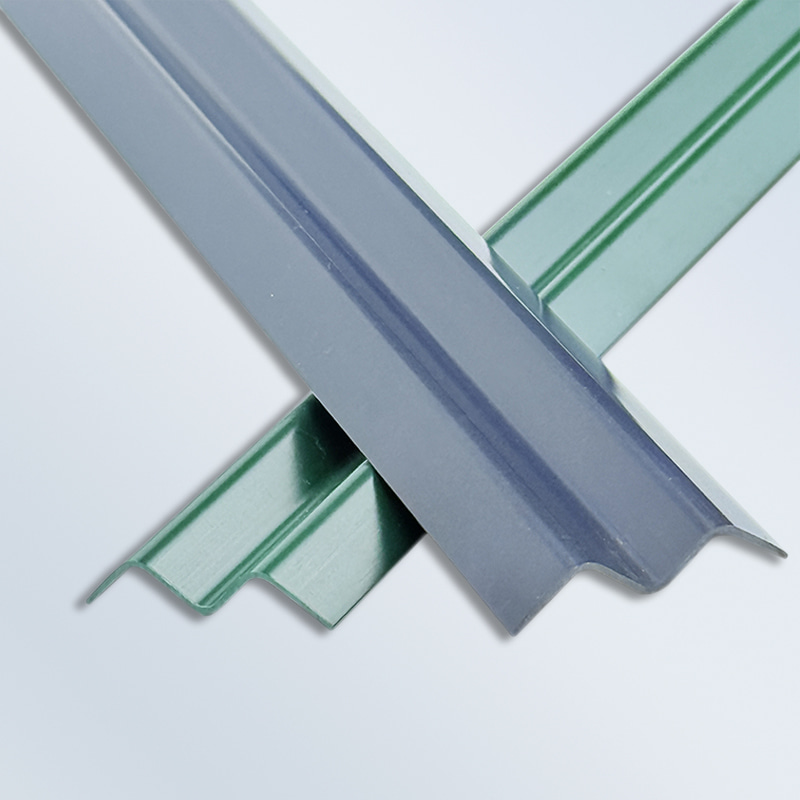
For a perimeter fence that faces direct sun for most of the day, UV-stabilized PP strips for 3D fence panels are the workhorse choice. They hold their shape during weaving, tolerate heat well, and keep their color far longer than unstabilized alternatives, which is why many contractors choose them to avoid callbacks.
 Custom PP Strip for 3D Fence Panels Manufacturers, FactoryZhejiang Huzhou Dayou Plastic Technology co.,ltd is China Custom PP Strip for 3D Fence Panels Manufacturers and factory. PP Vertical Stri...View Product →
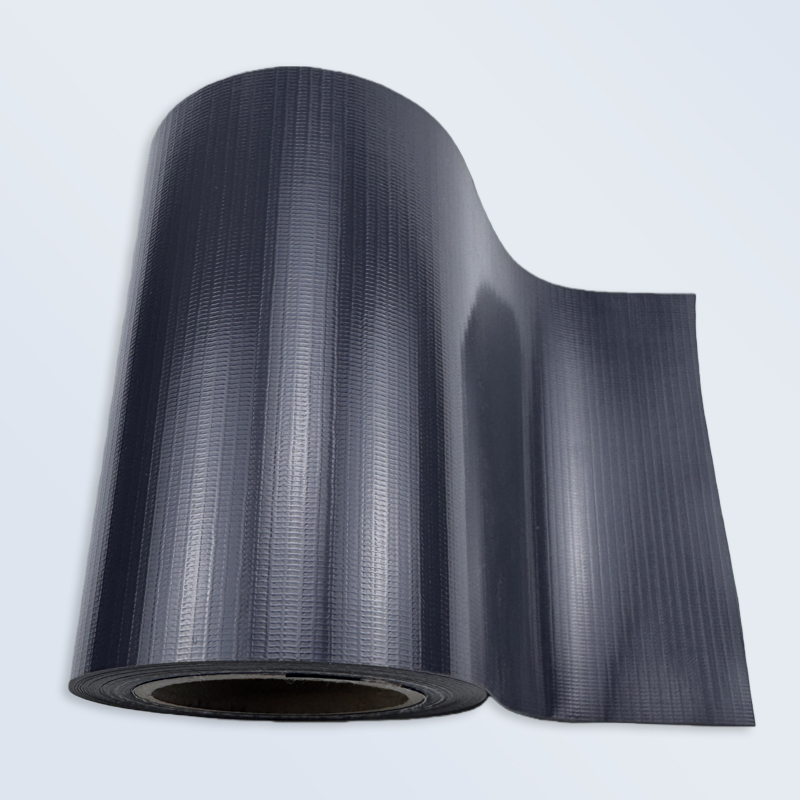
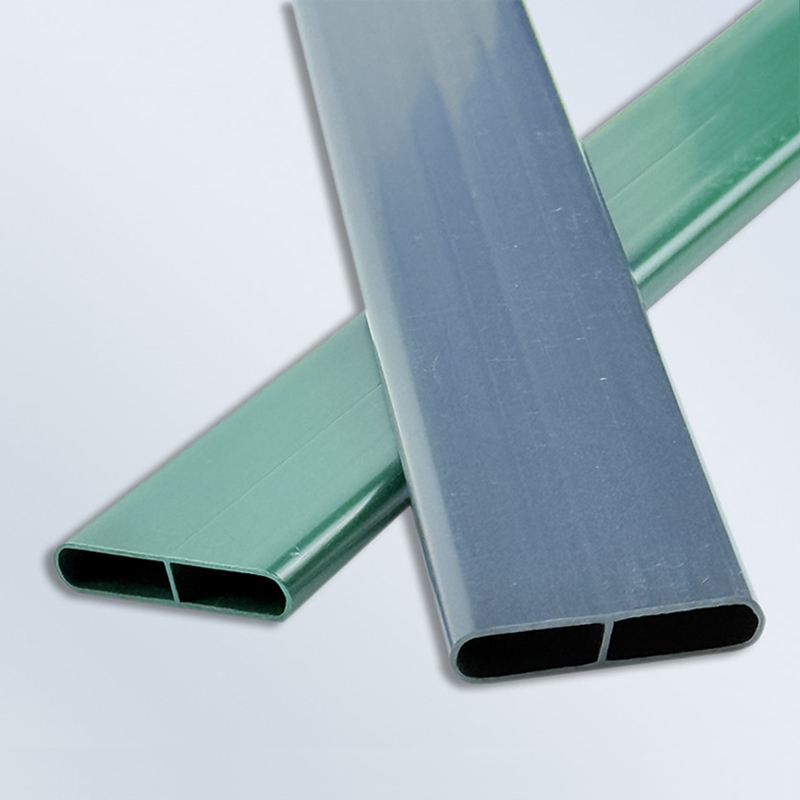
For projects where the fence is seen up close and handled regularly, PVC strips for 3D fence panels offer a smoother, slightly glossier finish and a more forgiving bend. That extra flexibility is an advantage when a panel has minor mesh deformation, because the strip follows the shape of the panel without forcing the frame.
 Custom PVC Strip for 3D Fence Panels Manufacturers, FactoryZhejiang Huzhou Dayou Plastic Technology co.,ltd is China Custom PVC Strip for 3D Fence Panels Manufacturers and factory. PVC Vertical St...View Product →
A slat that is the wrong width or thickness will waste your time no matter how good the material is. Check three numbers on every quotation: width, thickness, and length.
Slat width should match the vertical wire spacing of your panel. Most standard 3D panels work with slats in a width range of roughly 50 to 75 mm, and the strip length is cut to the panel height plus a small allowance for trimming. Thickness is the less visible but more critical number. A slat that is too thin vibrates in the wind and looks flimsy; an overly thick slat is hard to weave and slows down the installation. Ask the supplier for the exact thickness of the product, because two slats that look the same in a photo can be very different in hand.
Green, black, anthracite grey, brown, and white cover most project needs. The color itself is less important than the quality of the pigment and the UV package behind it. A cheap slat can lose its surface color within a year or two on a south-facing fence. When you receive samples, leave one outdoors for a few weeks and check for fading, chalking, or a change in flexibility before you commit to a large order.
Installation is straightforward once you find a rhythm. You will need the slats, mounting clips for long panels, and a cutting tool that does not split the plastic.
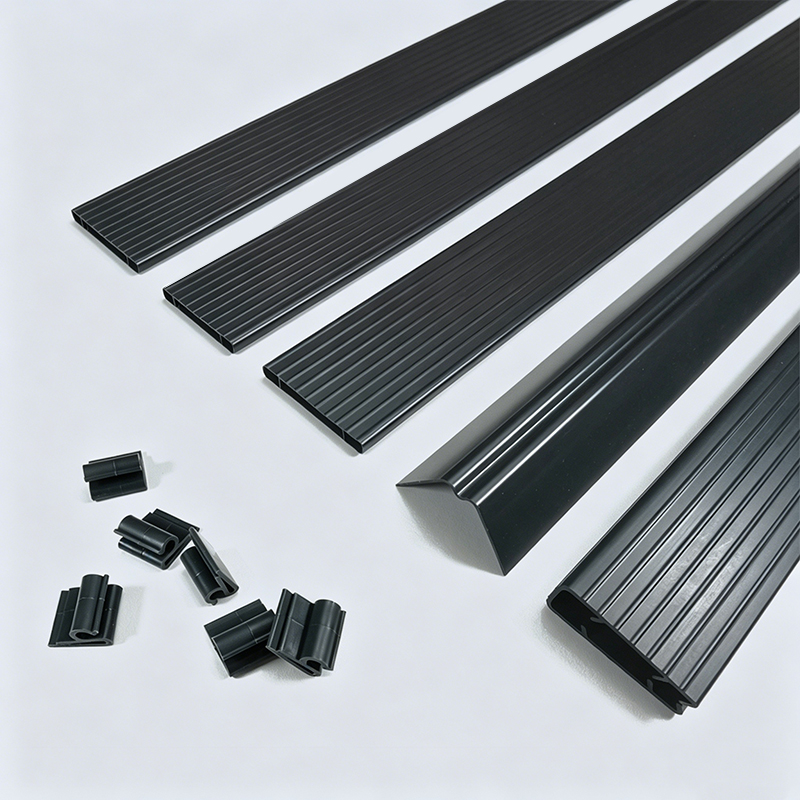
For standard panels, most installers order complete 3D fence slat kits that include pre-cut strip lengths and the right number of clips. That removes most of the guesswork from the job and keeps the crew moving without measuring every panel twice.
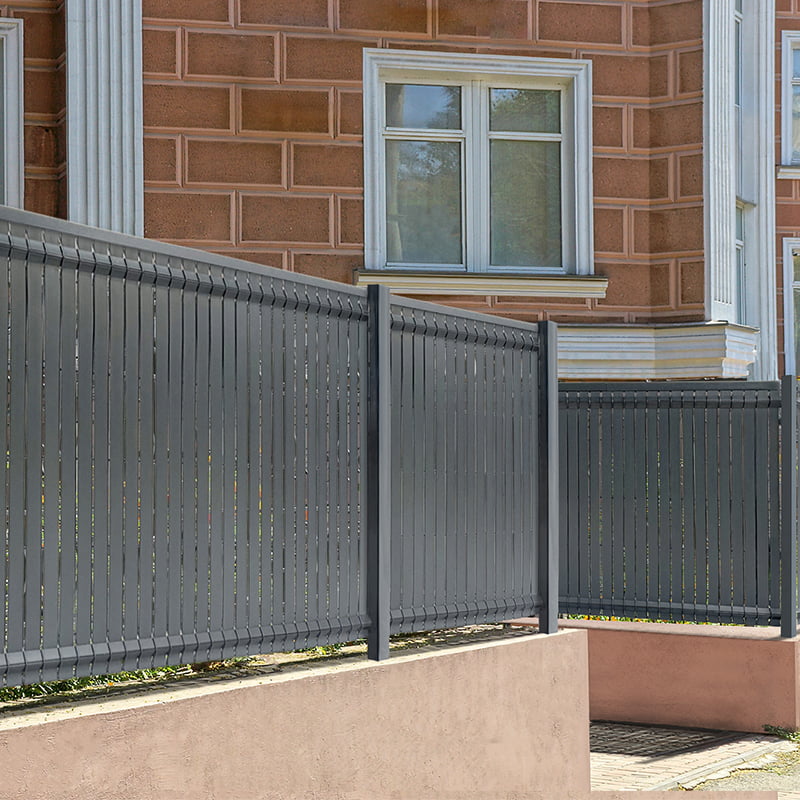 Custom 3D Fence Slat Kit Manufacturers, FactoryZhejiang Huzhou Dayou Plastic Technology co.,ltd is China Custom 3D Fence Slat Kit Manufacturers and factory. Privacy slats for 3D Fence ...View Product →
3D fence slats look like a simple product, but consistent performance depends on extrusion quality. A stable cross-section means the slat weaves smoothly, does not twist, and produces a straight line across the panel. When you buy directly from a plastic manufacturer, you also get the option of custom colors, custom lengths, and matched accessories without juggling multiple suppliers.
Slats are not the only privacy solution for wire fencing. If you are comparing them with rolled tapes for other fence types, our overview of hard PP fence tapes for garden fencing explains where tapes are preferable and where solid slats still win.
The same maintenance thinking applies to other plastic building products. Buyers who manage housing developments often combine fence slats with low-maintenance exterior cladding, and our guide to selecting durable PVC vinyl siding covers the practical side of that choice.
For installers who want to keep up with new fence materials and techniques, check our industry news section, where we publish updates on privacy materials, panel systems, and installation practice.
Choose the material for your climate, verify the thickness and UV package, and buy slats from a manufacturer that controls the extrusion process. That combination is what separates a fence that still looks new after a decade from one that needs replacement after two seasons.

 +86-18267317201
 +86-572-2373931
 [email protected]
 1411 Building 1,No.1969 Chuangye Avenue, Huzhou City ,Zhejiang Province, China.
 | Login


 Español
  Deutsch