
 2026.08.17
 Industry News
Content
Consider a typical 2D or 3D fence panel: the steel mesh does its structural job well, but it also gives neighbors and passersby a clear view of the whole plot. Replacing the fence is expensive, and a hedge takes years to grow. Weaving hard PVC fence strips through the mesh closes the sightline in hours and costs a fraction of a new fence.
The conclusion is clear: hard PVC fence strips are the most balanced privacy solution for double-rod welded mesh panels. They are rigid enough to stay in place, flexible enough to weave by hand, and made with UV-stabilized PVC to survive years of outdoor exposure. What separates a good installation from a poor one is not the brand but the strip profile, the material formulation, and the fixing method.
This guide explains what hard PVC fence strips are, how they compare with PP and soft PVC alternatives, and what to verify before you order.
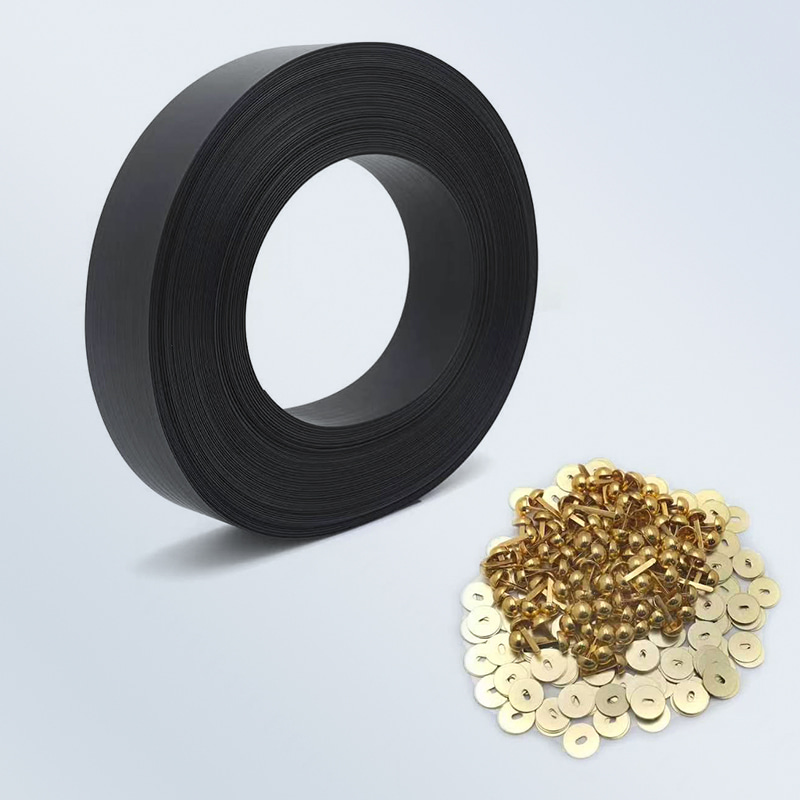
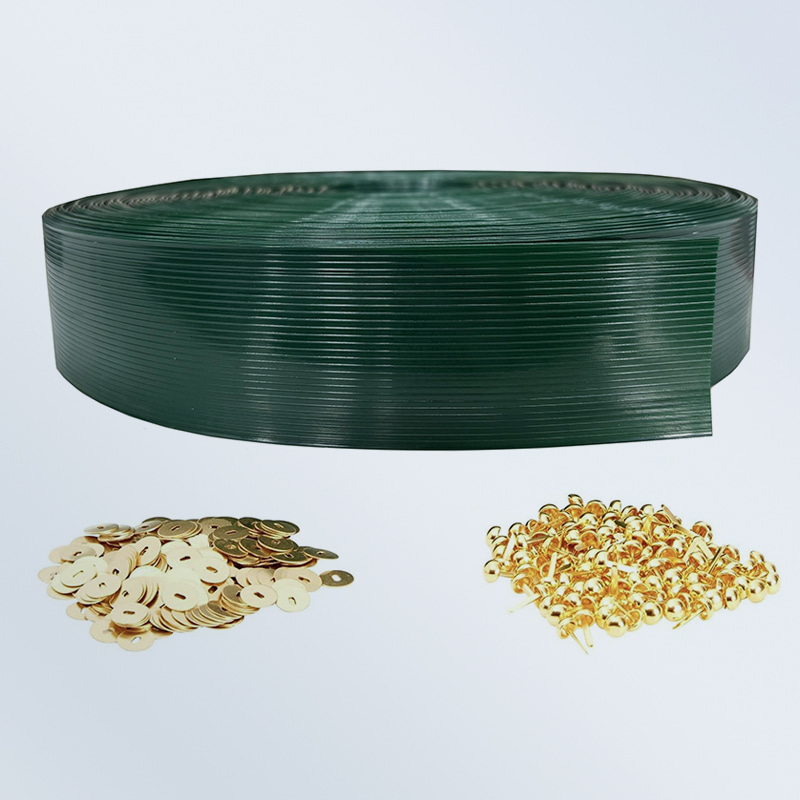
A hard PVC fence strip is an extruded, semi-rigid PVC profile designed to be woven horizontally through the openings of a wire mesh fence. Unlike soft strips that arrive on rolls and bend around the mesh, hard strips keep their shape. The installer inserts them row by row, then secures the ends with plastic clips or folds them around the edge wire.
Material quality matters. Fencing PVC is not the same as pipe PVC: a fence strip needs a balanced blend of resin, plasticizer, impact modifier, and UV stabilizers. If the UV stabilizer content is too low, the surface becomes chalky, loses flexibility, and eventually cracks. Wall thickness and width tolerance also affect how uniformly the strip locks into the mesh. A difference of 0.2 mm in thickness, or 2 mm in width, can turn a tight weave into a loose, rattling screen.
Typical market ranges for hard PVC fence strips are widths from about 60 mm to 120 mm and thicknesses from 1.0 to 1.5 mm, with custom dimensions available from extrusion suppliers. These numbers are only a starting point; your supplier should state exact tolerances for each production batch.
Three materials dominate the fence privacy market, and buyers regularly confuse them. The table below organizes the practical differences.
| Attribute | Hard PVC Fence Strip | Hard PP Fence Tape | Soft PVC Fence Strip |
|---|---|---|---|
| Rigidity | Semi-rigid, holds a flat profile | Firm, holds the woven shape | Flexible, roll-formed |
| Installation | Weave row by row, clip or fold ends | Weave strand by strand, tension required | Unroll, thread, and trim at each row |
| Typical fences | 2D and 3D welded mesh panels | 2D and 3D panels, chain link | Chain link, light mesh |
| Weather resistance | UV-stabilized PVC, low maintenance | Very good UV stability | Good, but thinner material wears faster |
| Lifespan mindset | Multi-year, formulation dependent | Multi-year, similar range | Shorter interval, easier to replace |
| Best for | Privacy with a neat, uniform panel look | Dense screening and wind protection | Budget privacy with quick hand installation |
Hard PVC strips sit between hard PP tape and soft PVC strips. They are firmer than soft strips, so they hold a clean line across the panel, but easier to cut and fix than stiff PP tape. PP has its own strengths, and we covered the practical details in our guide to garden hard PP fence tape. The short version: choose PP when wind protection and maximum density are the priority, and hard PVC when a natural-looking, uniform privacy screen matters more.
Most extrusion specialists structure their range around the same installation needs: a standard strip, a refined strip, and a wide strip. The following series represent that pattern in a practical way.
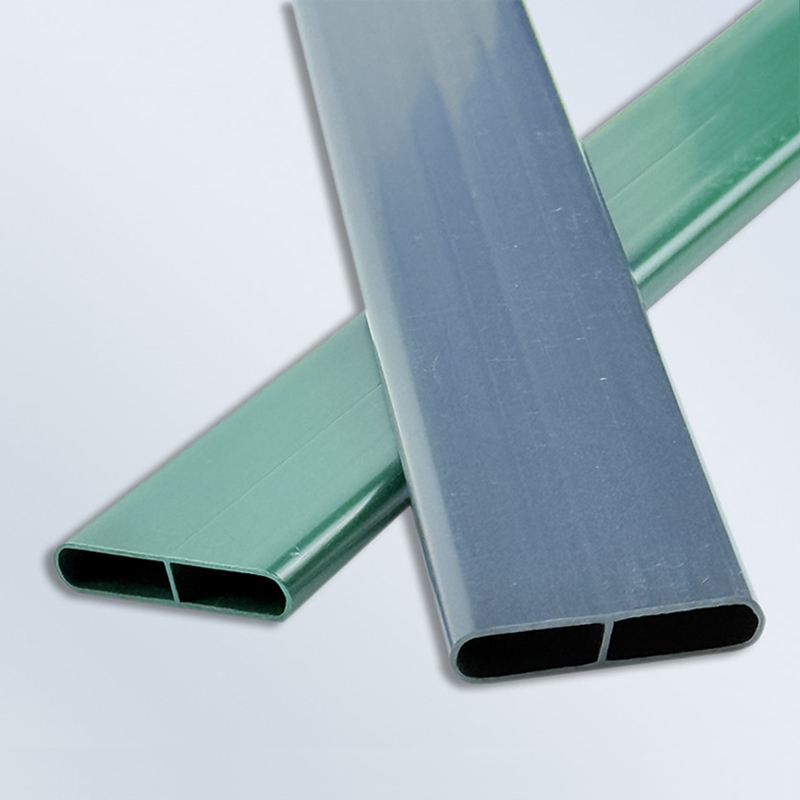
The Classic Line is the standard flat PVC strip for panel weaving. It offers consistent dimensions, a smooth surface, and a competitive price, which makes it the default choice for contractors and distributors who need repeatable results across large orders. Classic Line hard PVC fence strip is the product to evaluate first if the installation is a straightforward 2D panel weave.
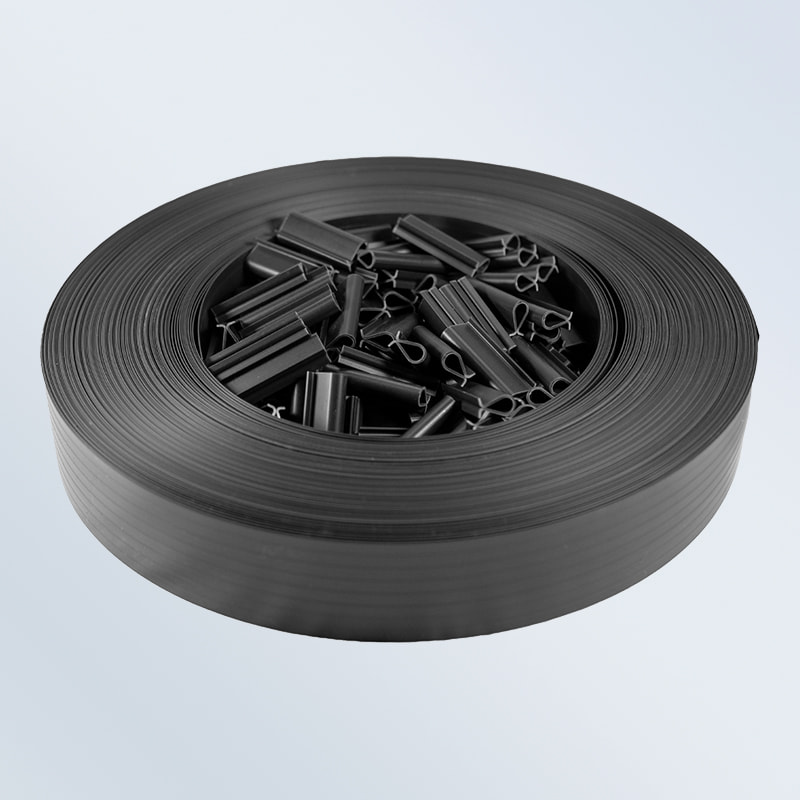
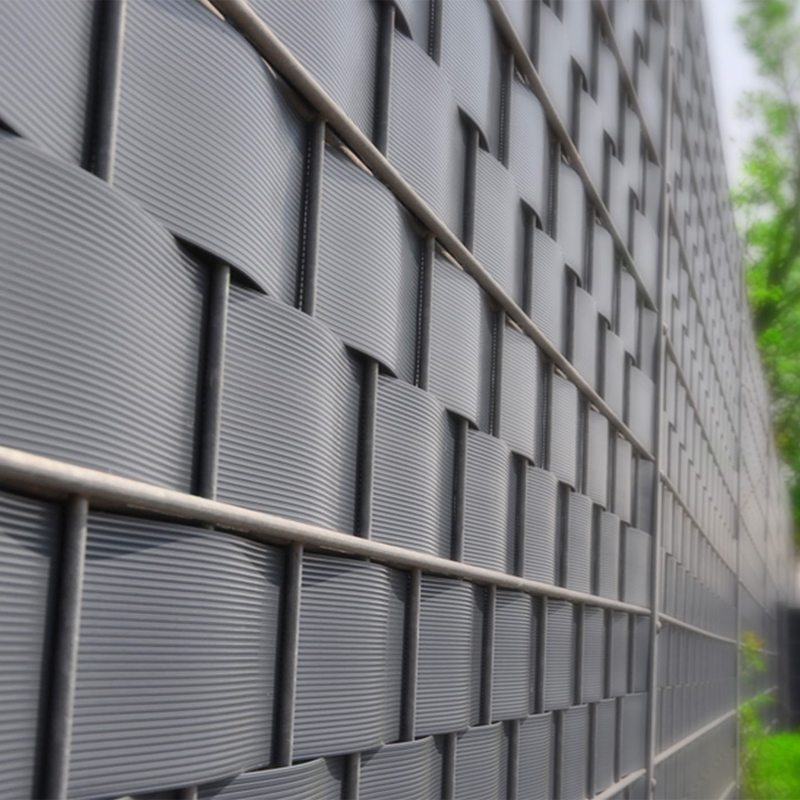 Custom Classic Line PVC Fence Strip Manufacturers, FactoryZhejiang Huzhou Dayou Plastic Technology co.,ltd is China Custom Classic Line PVC Fence Strip Manufacturers and factory.View Product →
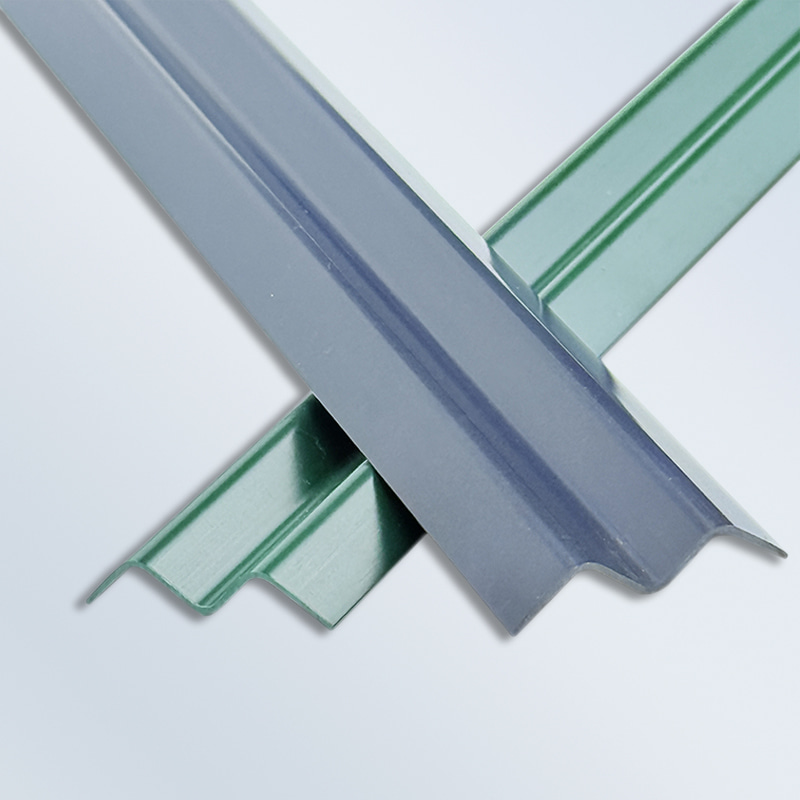
The Smart Line uses a refined profile with cleaner edge geometry and a better surface finish. The strip seats more predictably at the mesh intersections and is less likely to twist during installation, which saves labor on long runs. For highly visible perimeters where the weave pattern is part of the first impression, this is the series worth testing. See the Smart Line hard PVC fence strip for profile details and available finishes.
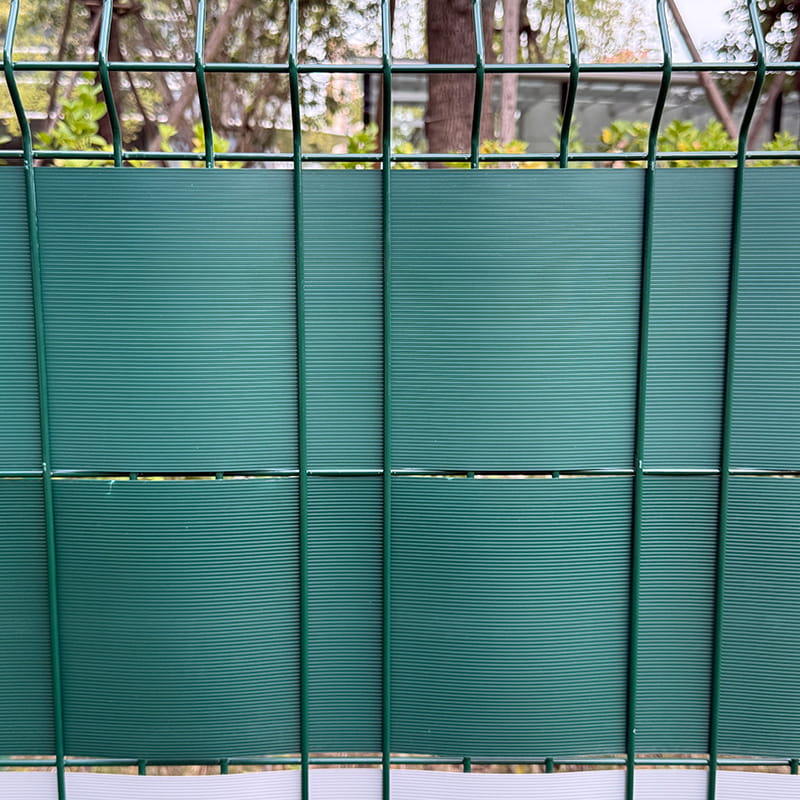 Custom Smart Line PVC Fence Strip Manufacturers, FactoryZhejiang Huzhou Dayou Plastic Technology co.,ltd is China Custom Smart Line PVC Fence Strip Manufacturers and factory. PVC Fence Tape/Str...View Product →
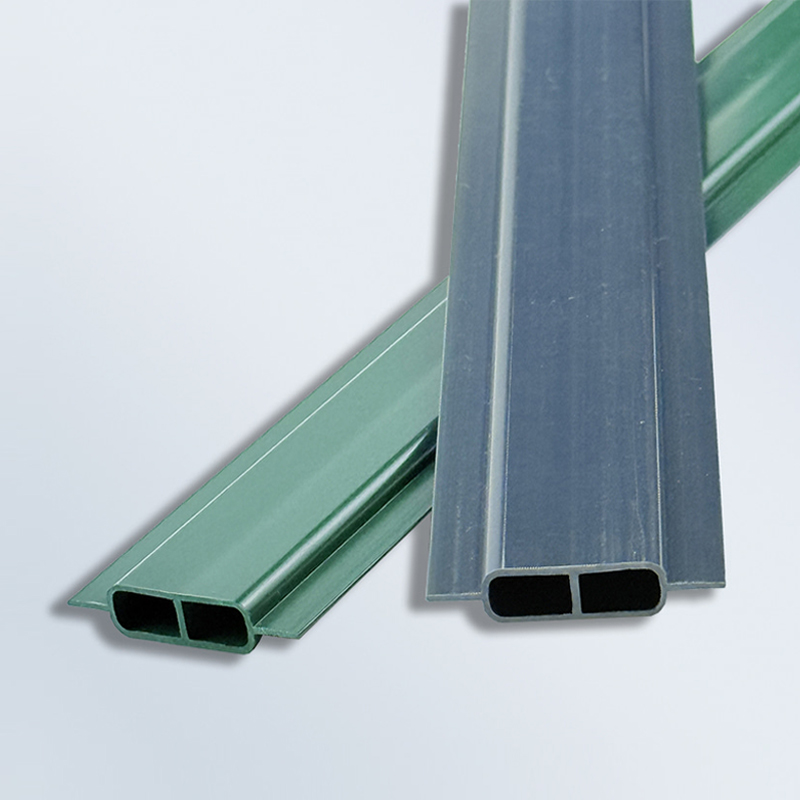
The Wide Line increases the strip width so that fewer rows are needed to cover a panel. This shortens installation time and creates a more solid-looking screen, which is useful for tall commercial fences and boundary walls where density matters more than airflow. Wide Line hard PVC fence strip is the option to check when mesh openings are large or the fence height makes labor a significant cost factor.
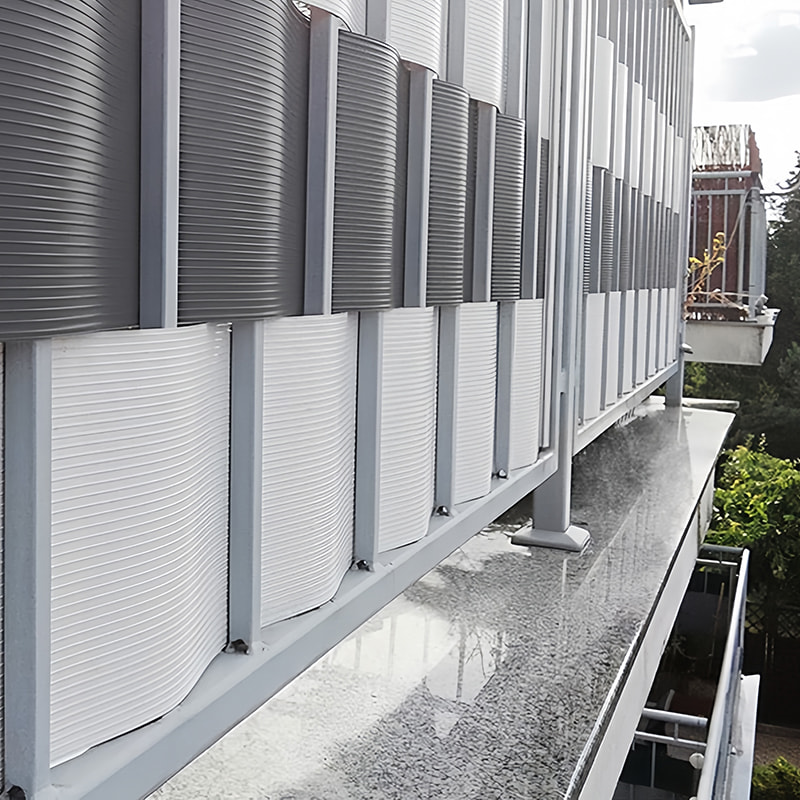 Custom Wide Line PVC Fence Strip Manufacturers, FactoryZhejiang Huzhou Dayou Plastic Technology co.,ltd is China Custom Wide Line PVC Fence Strip Manufacturers and factory.View Product →
The critical dimension is the relationship between the mesh opening and the strip depth. A strip that is too wide becomes hard to weave and may not reach the edge wire; one that is too narrow shifts and rattles. Measure the horizontal mesh opening and the wire diameter before you select a width.
Ask for the UV stabilizer level and the colorfastness rating. A strip that fades or chalks in the first season means the whole fence will have to be redone. The outdoor-durability principle is the same one that applies to exterior PVC cladding; our guide to selecting and maintaining PVC vinyl siding explains why formulation and upkeep determine service life.
Extrusion tolerance affects installation speed. Inconsistent strips create visible gaps and force workers to check every weave by hand. Ask the supplier for stated tolerances on width, thickness, and length per coil, and confirm that the delivered batch matches the sample.
Hard strips can be secured with fence tape clips, folded over the edge wire, or trimmed with a slide cutter that cleans up each row in one pass. The fixing method should be matched to the strip series, not improvised on site. Core holders keep the coils under control, and a push-on or stick-on slide cutter reduces waste when the crew works through several hundred meters of strip.
Before you commit to a supplier, run through this checklist:
The real cost of a fence strip appears in the second or third season. A batch that is 0.1 mm off tolerance, or a UV package reduced to cut cost, will show up as gaps, fading, or cracking. Choose a supplier that can state tolerances and test data in writing, and verify the first delivery before ordering full container quantities.
Hard PVC fence strips are not the only way to make a panel fence private, but they are among the most practical when the profile matches the mesh, the PVC formulation is proven, and the supplier documents what it ships.

 +86-18267317201
 +86-572-2373931
 [email protected]
 1411 Building 1,No.1969 Chuangye Avenue, Huzhou City ,Zhejiang Province, China.
 | Login


 Español
  Deutsch