
 2026.05.22
 Industry News
Content
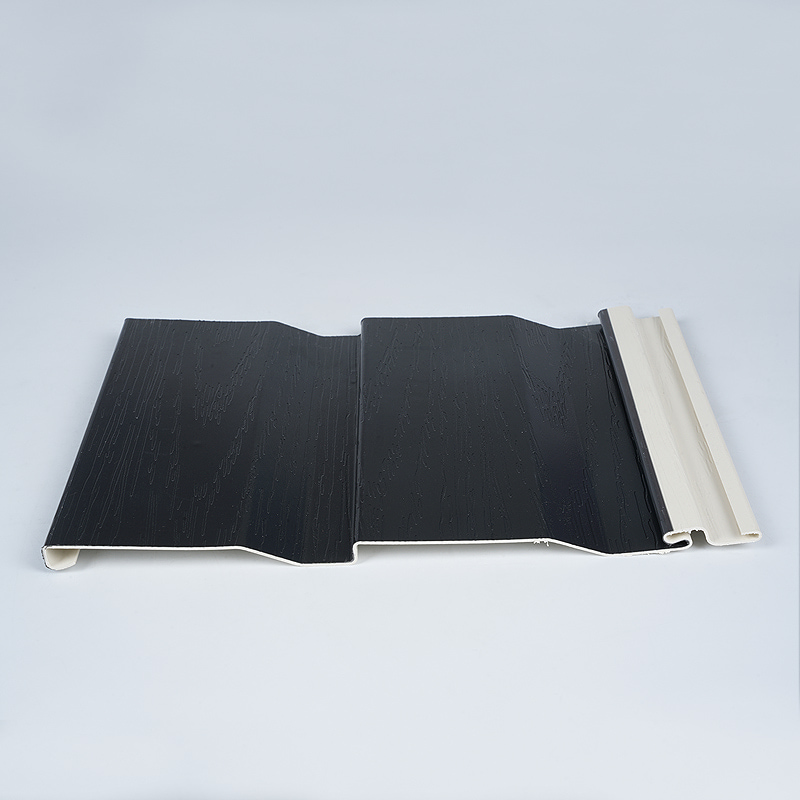
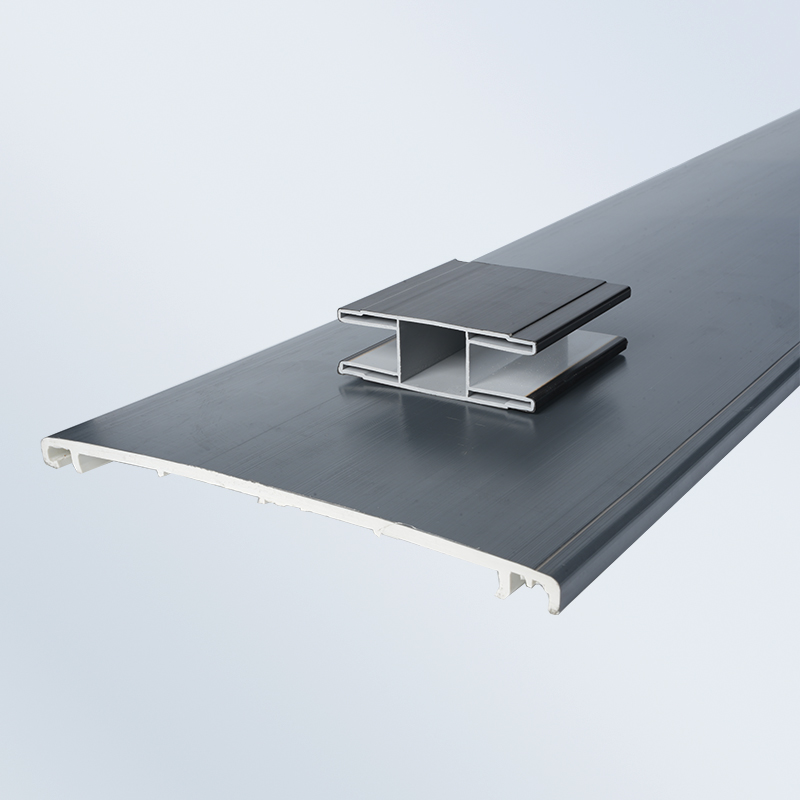
PVC Vinyl Siding is an exterior wall panel made of polyvinyl chloride as the core material. The overall board structure is compact, and the forming process is mature, laying a practical foundation for use from the basic material level. The material is lightweight and will not impose excessive load on the building walls; after installation, it will not damage the original wall structure, making it suitable for the wall bases of most civil buildings. At the same time, the board is integrally formed with a specially treated surface, high flatness, and regular appearance lines, which can directly improve the overall visual texture of the building's facade.
In terms of physical properties, PVC Vinyl Siding is not prone to common wall panel problems such as cracking, deformation, insect infestation, and mildew. Daily natural environmental erosion hardly damages the board itself. The material has stable chemical properties and is not easily corroded by rain, fog, or dust. It can maintain its original shape and color even when exposed outdoors for a long time, which is the key reason why PVC Vinyl Siding can serve as outdoor wall decoration for a long time. Whether it is the facade decoration of new houses or the renovation and repair of old walls, PVC Vinyl Siding can stably perform both decorative and protective functions.
Outdoor walls are exposed to sunlight, rain, wind, frost, and temperature differences all year round. The weather resistance of exterior wall panels directly determines the service life. PVC Vinyl Siding is a typical weather-resistant siding material that can adapt to various complex outdoor environments. Under strong sunlight in hot summers, the board will not fade quickly or soften and deform; the surface sun protection coating firmly locks the original color and maintains the aesthetic effect of the initial decoration for a long time. In low-temperature frost weather in cold winters, the toughness of the board will not drop significantly, resisting frost heave damage and eliminating brittle cracking and falling off of the board surface.
Rain erosion is the main cause of exterior wall loss. The splicing gaps of PVC Vinyl Siding panels are designed with sealing, providing excellent waterproof and seepage-proof effects. Rainwater cannot penetrate into the wall, which not only protects the brick, stone, and cement base of the wall from water erosion but also avoids hidden dangers such as water seepage, moisture regain, and moldy wall peeling. In windy and sandy weather, the compact board structure meets the impact resistance standard, is not easily scratched and damaged by gravel and debris, and firmly protects the building walls.
To intuitively compare the weather resistance performance of different exterior wall panels, combined with daily outdoor use scenarios, the performance comparison table is sorted out as follows:
| Board Type | Sun Fading Resistance | Waterproof and Seepage-Proof Effect | Low Temperature Crack Resistance | Sand Impact Resistance |
| PVC Vinyl Siding | Excellent | Perfect | Good | Good |
| Solid Wood Exterior Wall Panel | Poor | General | Poor | General |
| Ordinary Metal Wall Panel | Good | Good | Excellent | Excellent |
| Cement Exterior Wall Panel | Good | General | Good | Poor |
Combined with the climatic characteristics of different regions, the selection of PVC Vinyl Siding in rainy and humid areas in the south can effectively prevent moisture and water and inhibit the growth of mold on walls. In areas with large temperature differences between day and night and severe cold in winter in the north, the stable expansion and contraction performance of the board adapts to temperature changes and reduces structural damage caused by thermal expansion and contraction. In areas with heavy wind and sand, the smooth surface of PVC Vinyl Siding is not easy to accumulate stubborn dirt, and its wear-resistant characteristics can also reduce board loss caused by wind and sand, fully adapting to outdoor exterior wall use conditions across regions.
As a highly versatile exterior wall cladding material, PVC Vinyl Siding has a wide range of application scenarios, not limited by building types and architectural styles, and can be flexibly matched with various house facade designs. In ordinary multi-story residential buildings, PVC Vinyl Siding can be laid on the exterior walls of the entire building in a large area, unifying the overall decoration style. The simple and atmospheric board style fits the daily residential architectural aesthetics, making the appearance of ordinary houses neat and coordinated.
Single-family villas and courtyard self-built houses are high-frequency application scenarios of PVC Vinyl Siding. The board has a variety of versions and texture designs: horizontal boards stretch the visual width, vertical boards enhance the three-dimensional sense of the building, and with staggered splicing methods, various villa facade styles such as light luxury, retro, and minimalist can be created. Auxiliary building walls, such as courtyard enclosures, auxiliary storage rooms, and garage exterior walls, are also suitable for paving PVC Vinyl Siding, unifying the decoration materials of the entire house's exterior walls and making the overall architectural look harmonious.
In addition, rural self-built houses and low-rise street-facing buildings often use PVC Vinyl Siding for exterior wall cladding. Rural buildings are surrounded by a large number of green plants and complex natural environments, and the board's corrosion and moisture resistance adapts to the field living environment. Street-facing buildings are easy to be contaminated with dust and exhaust gas, and the smooth surface of PVC Vinyl Siding is not easy to absorb stains, making daily care simple, taking into account both decoration and practicality, and giving full play to the cladding protection value of exterior wall cladding.
After determining the use of PVC Vinyl Siding as the outdoor wall panel, a reasonable selection is the key to ensuring the decorative effect and the user experience. The selection is mainly based on two core dimensions: specification size and color texture, to fit the actual building renovation needs. There are a variety of conventional sizes of PVC Vinyl Siding on the market: narrow-width boards are suitable for wall line decoration and corner edge wrapping to refine the building outline; wide-width boards are suitable for large-area whole wall laying, reducing splicing gaps, improving wall integrity, and reducing installation procedures.
Color and texture determine the architectural appearance style. PVC Vinyl Siding has a rich color matching system: light-colored boards such as light beige and light gray are visually fresh and clean, which can amplify the building's lighting effect and fit modern minimalist style houses; dark-colored boards such as dark coffee and dark gray are calm and atmospheric, suitable for creating a retro and stable facade style; imitation wood grain and imitation stone grain texture styles replicate the texture of natural building materials, avoiding the high cost and cumbersome maintenance of solid wood and stone, and achieving high-end decorative visual effects at a civilian cost.
The selection references corresponding to different house types are shown in the table below:
| Building Type | Recommended Board Size | Adapted Mainstream Texture Style | Optimal Color Selection |
| Small Apartment Residence | Narrow-width Conventional Board | Simple Solid Color Texture | Light Gray, Off-White |
| Single-family Villa | Wide-width Large Board | Imitation Wood, Imitation Stone Texture | Coffee Color, Dark Gray |
| Courtyard Auxiliary Building | Universal Standard Board | Basic Solid Color Texture | Light Brown, Light Yellow |
In the selection process, it is also necessary to comprehensively consider the surrounding environment of the house. For houses with dense green plants, prioritize the selection of dirt-resistant PVC Vinyl Siding to reduce visual clutter caused by fallen leaves and muddy water; for open street-facing houses, light-colored boards are more in line with the overall urban architectural style, making PVC Vinyl Siding perfectly fit the building itself and the surrounding environment.
In-house exterior renovation projects, the installation and construction quality of PVC Vinyl Siding directly affects the later use stability and appearance aesthetics. Standardized construction is divided into three core steps: wall pretreatment, board installation, and sealing and finishing. Controlling the details can greatly reduce the later failure probability.
This is the basic prerequisite for laying PVC Vinyl Siding. First, clean off the peeling wall skin, stubborn dirt, and weed attachments on the wall surface, and remove the loose and damaged wall layer; check the wall flatness, and repair the positions with large concave and convex drops with leveling materials; at the same time, check for wall cracks and water seepage points, and conduct waterproof plugging treatment in advance to ensure a solid and flat base without looseness and hollowing, laying a solid foundation for board laying.
Fix the boards in sequence according to the designed layout order. Control the board spacing during construction, reserve reasonable expansion gaps to cope with board deformation caused by temperature changes, and avoid extrusion bulging and gap cracking; arrange fixing accessories evenly to ensure that each piece of PVC Vinyl Siding fits the wall without suspended and warped parts; for special corner positions such as wall corners and door and window frames, use special closing accessories to wrap and connect, making the wall corners neat and tight.
Fill the board splicing gaps and corner connections with sealant to strengthen the overall waterproof and windproof performance and block the penetration channels of water vapor, wind, and sand. After construction, comprehensively inspect the entire exterior wall, check for skewed, loose, and uneven gaps of the boards, and adjust and correct them in a timely manner. The completed PVC Vinyl Siding exterior wall has a stable structure and neat appearance, completing the exterior wall renovation goal.
PVC Vinyl Siding is a durable wall siding material with a long service life. It can remain intact for decades under normal standardized use. With simple daily maintenance, it can continuously maintain the board's performance and appearance. The maintenance operation has a low threshold and requires no professional tools or complex processes.
Daily cleaning and maintenance are mainly based on clean water flushing. Dust and floating soil accumulated daily can be cleaned with a high-pressure water gun or a soft brush with clean water. For attached stubborn stains and rain marks, use a neutral cleaning solvent to gently scrub, and rinse the surface residue with clean water after scrubbing. Remember not to use strong acid and alkali cleaners to avoid corroding the board surface coating and damaging the appearance and protective layer of PVC Vinyl Siding.
Regular appearance inspection is essential. Check the status of the exterior wall panels every six months to one year, focusing on the splicing gaps and corner fixing positions to observe whether there is sealant aging and falling off, loose accessories, and slight damage to the board surface. If a small range of seal failure is found, replenish the glue and seal in a timely manner, and reinforce loose accessories again; for slight scratches and small damages on the local board surface, use special repair materials to fill and modify to prevent the damage range from expanding.
At the same time, manage the surrounding environment well. Avoid stacking heavy objects and sharp debris around the wall to prevent bumping and scratching the PVC Vinyl Siding board surface; trim the lush tree branches close to the wall to prevent long-term friction of the branches on the board and reduce losses caused by external human and natural factors, so that this durable wall siding can maintain a complete shape for a long time and continue to play the role of exterior wall decoration and protection.
Among all kinds of exterior wall decoration materials, PVC Vinyl Siding occupies an important position in the house exterior renovation market by virtue of multiple advantages such as weather resistance protection, versatile aesthetics, convenient construction, and simple maintenance. As a high-quality exterior wall cladding material, it breaks through many usage shortcomings of traditional boards, adapts to various climatic environments with the strong weather resistance of weather-resistant siding, and meets the decorative needs of outdoor wall panels for different buildings with rich styles and shapes.
In terms of use cost, PVC Vinyl Siding has a moderate procurement cost and a simplified installation and construction process, greatly reducing the overall cost of exterior wall decoration, with significant cost performance advantages compared with stone and solid wood exterior wall materials. From the perspective of long-term use experience, the board is not easy to damage and easy to maintain, reducing additional expenses for later maintenance and replacement, with outstanding economic practicability.
Whether it is the finalization of a new house facade decoration or the renewal of old house exterior walls, PVC Vinyl Siding can adapt to various renovation needs. It can not only build a solid and durable exterior wall protection barrier to resist external environmental erosion and protect building walls, but also shape a beautiful and coordinated building appearance and improve the overall style of the house. In the current exterior wall decoration material selection, PVC Vinyl Siding takes into account practicality and appearance, and is a reliable board choice suitable for the construction of civil building exterior walls.

 +86-18267317201
 +86-572-2373931
 [email protected]
 1411 Building 1,No.1969 Chuangye Avenue, Huzhou City ,Zhejiang Province, China.
 | Login


 Español
  Deutsch