Material Durability Under Harsh Environmental Exposure
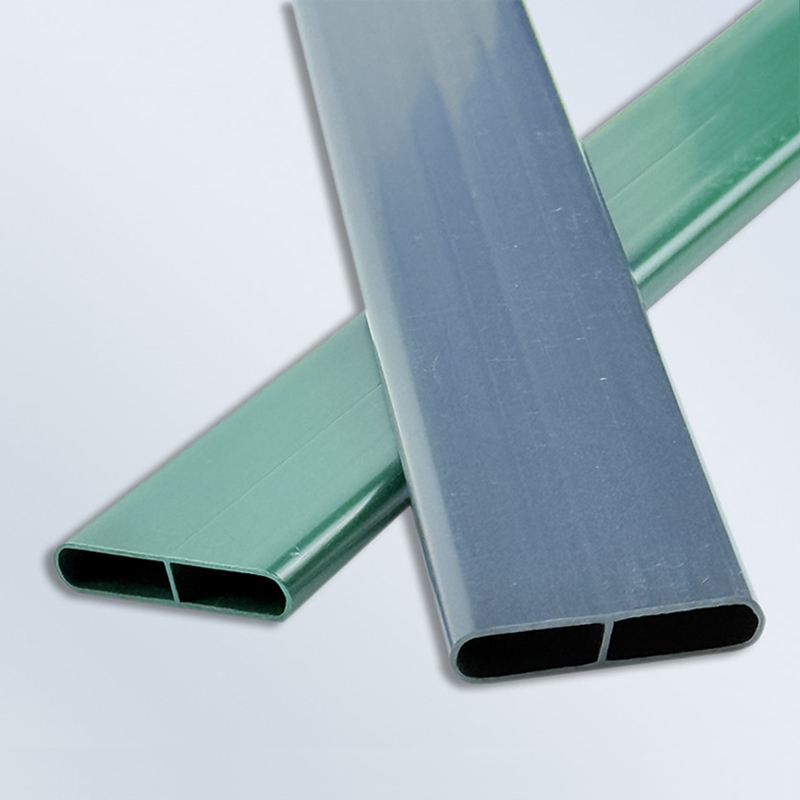
The long‑term performance of Chain Link Fence Privacy Slats hinges on raw material formulation. High‑density polyethylene (HDPE) is the industry standard for privacy slats, offering inherent resistance to severe weather, saltwater, road dirt, most acids, alkaline substances, ammonia, and common environmental pollutants[reference:0]. However, not all HDPE performs equally over time. The critical differentiator is the loading percentage and quality of ultraviolet (UV) inhibitors compounded into the resin during extrusion. Slats manufactured with dedicated UV stabilizers resist sun damage and maintain color richness even after years of direct sun exposure, whereas products relying solely on base polymer without adequate UV protection typically exhibit noticeable fading and surface chalking within two to four years[reference:1].
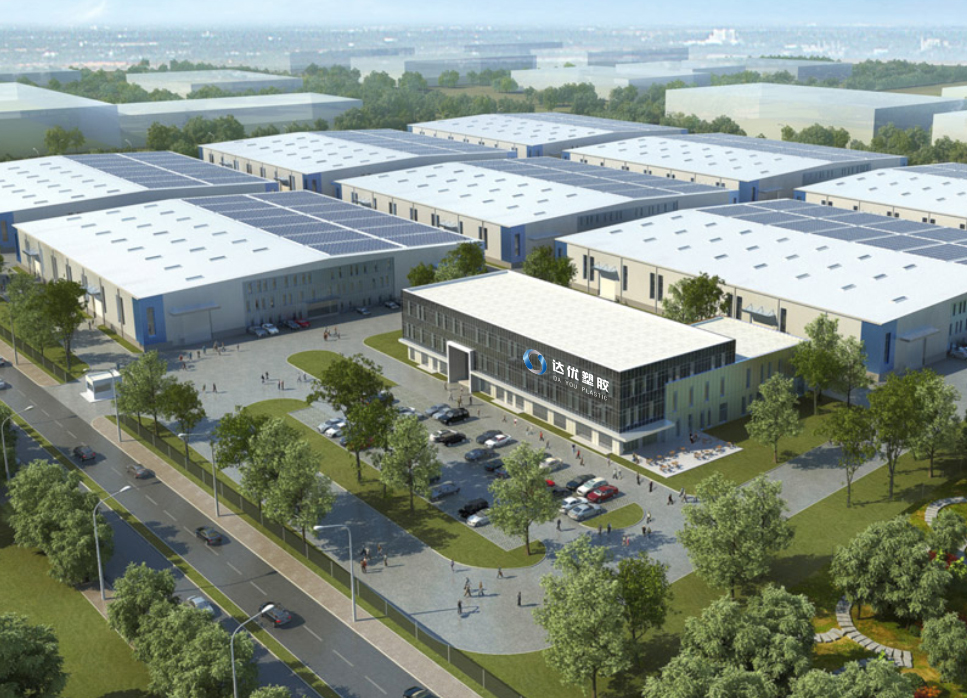
Temperature cycling presents an additional challenge. HDPE privacy slats are generally resistant to warping and breaking caused by heat or cold extremes, but the coefficient of thermal expansion must be accounted for in the locking design[reference:2]. A 6‑foot slat can expand and contract by several millimeters between summer and winter temperatures, and a well‑engineered locking channel accommodates this movement without allowing the slat ends to pull free. At Zhejiang Huzhou Dayou Plastic Technology Co., Ltd, raw material formulation and extrusion consistency are monitored to ensure every production batch meets the thermal stability thresholds required for long‑term outdoor applications.
Locking System Design and Its Impact on Installation Quality
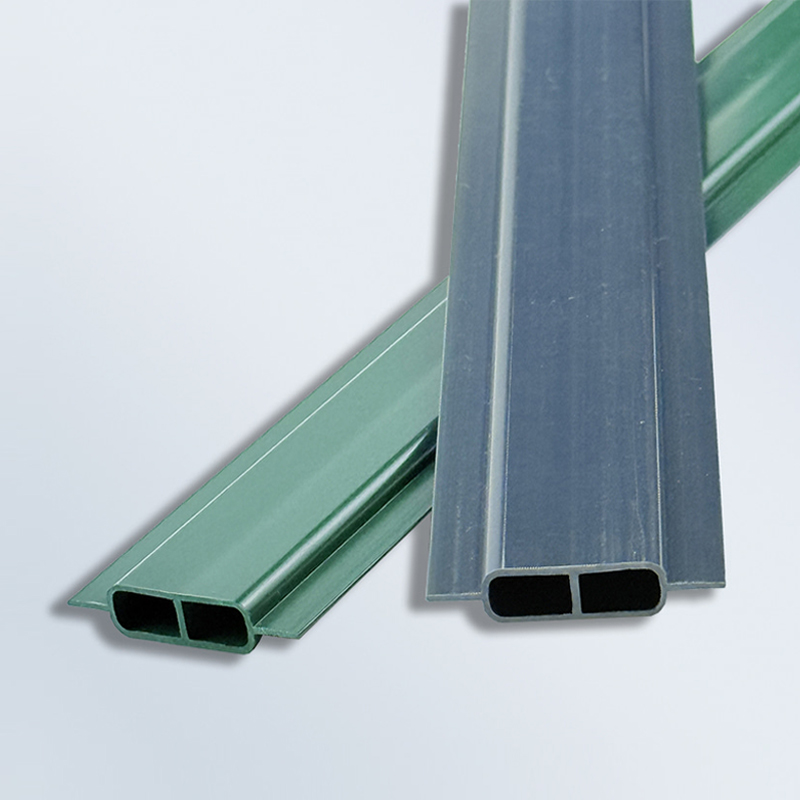
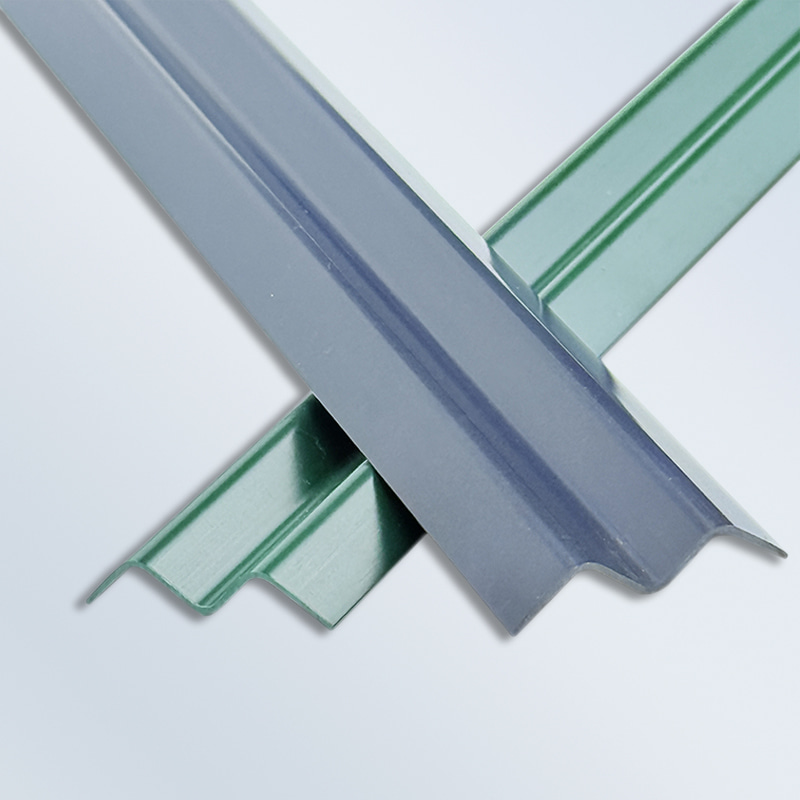
The locking mechanism is the single most overlooked design element that determines whether privacy slats stay aligned or gradually drift out of position. Bottom‑locking systems, where a horizontal locking channel is inserted through the bottom of the fence and each slat is slid vertically from the top until it snaps into place, provide a secure and repeatable installation[reference:3]. This design eliminates the need for separate fasteners per slat and creates a uniform bottom edge. In field use, bottom‑locking slats typically provide around 75% to 85% privacy coverage while maintaining a clean, professional appearance along the fence line[reference:4].
Top‑locking systems operate on a similar principle but place the locking channel near the top rail of the fence. This configuration ensures a straight, consistent top edge and allows for easier slat removal if a section needs replacement. Some designs incorporate a self‑locking tab at the top end of each slat that engages the channel automatically upon insertion, reducing installation time. Zhejiang Huzhou Dayou Plastic Technology Co., Ltd has observed that the choice between bottom‑locking and top‑locking systems often comes down to fence height and local wind conditions, with taller fences in gusty regions benefiting more from bottom‑locked designs that resist upward lift forces.
Wind Load Considerations and Fence Structural Integrity
Adding privacy slats transforms the aerodynamic profile of a chain link fence. An open mesh fence allows wind to pass through with minimal resistance, but once slats are inserted, the fence becomes a semi‑solid barrier that transfers wind pressure to the posts and framework. Industry data indicates that double‑wall factory‑inserted slats can produce approximately 80% wind load relative to the fence surface area, a substantial increase that must be factored into the structural assessment[reference:5]. This means the fence framework—posts, rails, and footings—must be rated for the additional lateral force, not just the self‑weight of the mesh fabric. ASTM F1043 provides the relevant framework for evaluating wind load on screened fences, specifying that material type, total coverage area, and local wind conditions all factor into the design calculation[reference:6].
Practical mitigation starts with post spacing and embedment depth. For fences exceeding 6 feet in height with privacy slats installed, reducing post spacing from the standard 10 feet to 8 feet can lower the bending moment on each post by approximately 20–30%. In regions prone to sustained high winds, using thicker‑wall posts and deeper concrete footings is a cost‑effective precaution. Zhejiang Huzhou Dayou Plastic Technology Co., Ltd recommends that installers and project specifiers always evaluate the combined wind load of the fence fabric plus screening material before finalizing framework dimensions, particularly for commercial installations where warranty claims from wind damage are a recurring concern.
Balancing Privacy Level with Ventilation and Heat Management
Privacy performance is typically measured by the percentage of open area that remains after slat installation, but the practical user experience also depends heavily on airflow and thermal comfort. Standard Chain Link Fence Privacy Slats configurations with moderate spacing can reduce visibility by up to 90% while still allowing air to circulate through the gaps between slats[reference:7]. This ventilation effect is a distinct advantage over solid panel fencing: the spacing between slats permits natural airflow, keeping courtyards and adjacent outdoor areas cooler while maintaining a meaningful privacy barrier[reference:8].
However, the balance between privacy and ventilation must be actively managed. When slats are specified for maximum privacy—using wider profiles with minimal inter‑slat spacing—the wind‑blocking effect can trap heat and humidity in enclosed yard spaces[reference:9]. The table below provides a practical reference for how slat width, spacing, and resulting privacy level affect airflow characteristics.
Relationship between slat configuration, privacy coverage, and ventilation performance
| Slat Width |
Inter‑Slat Gap |
Approx. Privacy |
Airflow Characteristic |
| Narrow (0.75–1.0 in) |
Wide (0.5+ in) |
70–80% |
Good natural ventilation |
| Standard (1.25–1.5 in) |
Moderate (0.25–0.5 in) |
85–90% |
Moderate airflow, warmer |
| Wide (1.75–2.0 in) |
Tight (<0.25 in) |
95–98% |
Minimal airflow, potential heat buildup |
For installations in hot climates or enclosed garden areas, Zhejiang Huzhou Dayou Plastic Technology Co., Ltd recommends selecting a slat profile with at least a small intentional gap rather than pursuing absolute zero‑visibility. This preserves convective cooling while still delivering a privacy level above 85%—a compromise that avoids creating uncomfortable microclimates along the fence perimeter.
Cost‑Benefit Analysis Relative to Alternative Screening Methods
Privacy slats occupy a specific position in the cost‑performance spectrum that warrants comparison with other screening approaches. Material costs for privacy slats range from $3 to $10 per linear foot, with professional installation roughly doubling that figure, positioning slats as a mid‑range privacy solution[reference:10]. By contrast, privacy tape is the most economical choice upfront but typically delivers a shorter service life due to its thinner cross‑section and simpler material formulation[reference:11]. At the upper end, replacing the entire fence with a wood or vinyl privacy fence costs $45–$75 per linear foot installed, an order of magnitude more expensive than retrofitting an existing chain link fence with slats[reference:12].
Labor efficiency also differentiates slats from alternatives. A standard 100‑foot run of chain link fence can be fitted with privacy slats by a two‑person crew in roughly one to two days, depending on fence height and terrain[reference:13]. Privacy tape, while cheaper in material cost, is more labor‑intensive to install because it must be woven diagonally through each link, often requiring more time per square foot than vertical slat insertion[reference:14]. The ability to replace individual damaged slats without disturbing adjacent sections further improves the lifecycle cost profile. Zhejiang Huzhou Dayou Plastic Technology Co., Ltd has seen growing demand for slat systems in commercial property management, where the combination of moderate upfront cost, replaceable‑component maintainability, and multi‑decade material lifespan offers the strongest long‑term value proposition among chain link privacy upgrades.




 Español
  Deutsch