What Functional Advantages Does PVC Hydroponic Pipe Offer in Hydroponics?
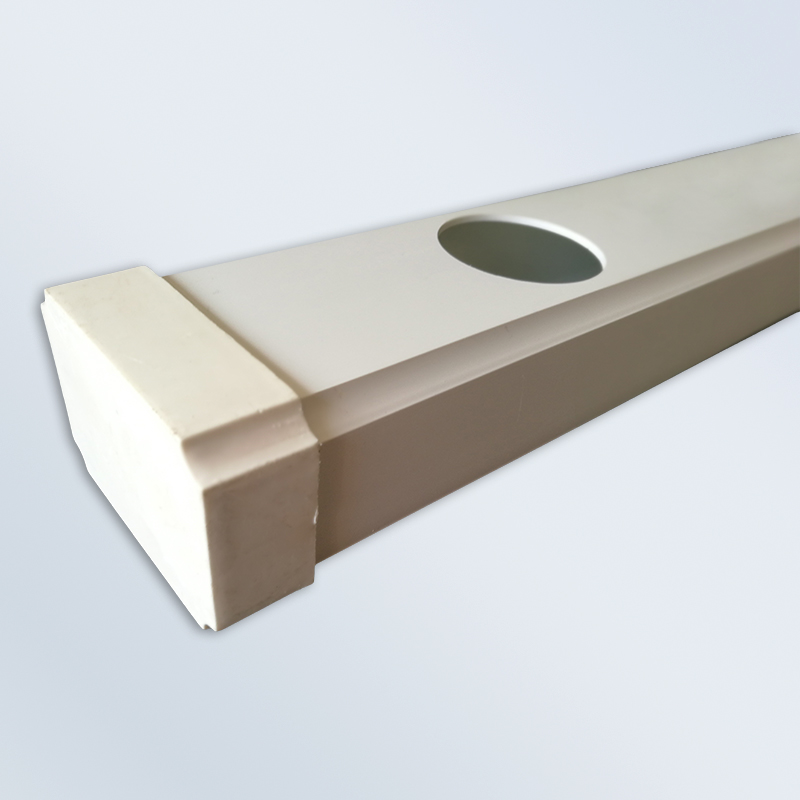
Hydroponic cultivation has transformed modern agriculture by allowing plants to grow efficiently without traditional soil. At the center of many advanced growing systems is the PVC hydroponic pipe, a structural component designed to support nutrient circulation, root development, and scalable system layouts. Due to its durability, versatility, and ease of customization, this material has become widely preferred across commercial and industrial hydroponic applications.
Why Is PVC Hydroponic Pipe Highly Suitable for Hydroponic Systems?
A hydroponic system depends on reliable water flow, nutrient distribution, and structural consistency. PVC hydroponic pipe offers a balanced combination of mechanical strength and practical performance that supports these requirements.
Its smooth internal surface allows nutrient solutions to flow evenly, reducing resistance and minimizing buildup that could interrupt circulation. This feature helps maintain stable nutrient delivery to plant roots, which is critical for healthy crop growth.
Additionally, PVC material demonstrates strong resistance to moisture, corrosion, and environmental stress. Unlike some alternative materials, it does not degrade easily under continuous water exposure, making it ideal for long-term hydroponic operation.
| Functional Feature |
Performance Benefit |
Application Value |
| Smooth inner wall |
Improved nutrient flow |
Reduces clogging risk |
| Corrosion resistance |
Long service life |
Suitable for wet environments |
| Lightweight structure |
Easy installation |
Simplifies system setup |
| Customizable dimensions |
Flexible design |
Supports multiple layouts |
These characteristics make PVC hydroponic pipe systems adaptable for NFT systems, vertical farming structures, greenhouse cultivation, and indoor growing installations.
How Does Material Composition Improve Performance?
Material selection directly impacts the reliability of hydroponic infrastructure. Compared with some conventional materials, PVC provides practical advantages in structural stability and maintenance efficiency.
Material Comparison in Hydroponic Applications
| Material Type |
Durability |
Moisture Resistance |
Weight |
Customization |
| PVC |
Excellent |
Excellent |
Lightweight |
High |
| Metal |
High |
Moderate (corrosion risk) |
Heavy |
Moderate |
| Standard Plastic |
Moderate |
Good |
Lightweight |
Moderate |
The molecular stability of PVC hydroponic pipe helps maintain consistent performance under fluctuating environmental conditions. This is especially valuable in commercial farming environments where temperature shifts and prolonged nutrient exposure are common.
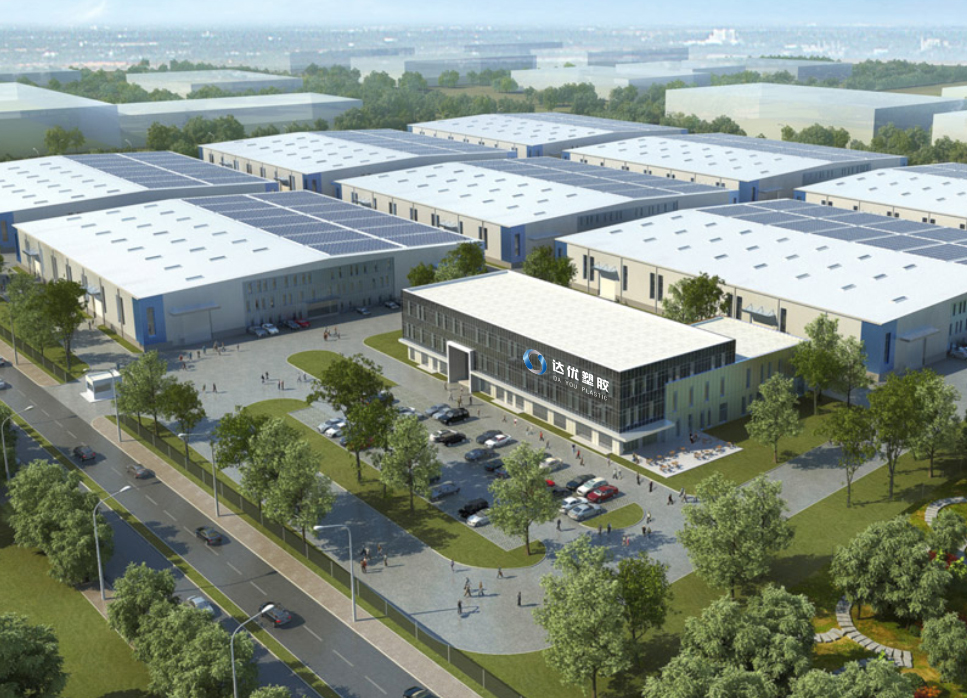
At Zhejiang Huzhou Dayou Plastic Technology Co., Ltd., advanced production control ensures material consistency from raw material formulation to final shaping. This integrated manufacturing approach supports high-quality hydroponic pipe solutions with reliable dimensional accuracy and long-term structural performance.
What Design Flexibility Does PVC Hydroponic Pipe Provide?
One major advantage of hydroponic PVC pipe systems is customization flexibility.
Hydroponic farms often require specialized pipe diameters, hole spacing, connection angles, and structural lengths depending on crop type and cultivation scale. PVC can be precisely manufactured to meet these design demands.
Whether supporting leafy greens, herbs, strawberries, or vertical hydroponic towers, customized pipe configurations improve growing density while maintaining efficient nutrient flow.
Zhejiang Huzhou Dayou Plastic Technology Co., Ltd. offers tailored plastic manufacturing services capable of meeting highly specific dimensional and structural requirements. Through precise mold development and controlled production processes, custom solutions can be designed for virtually any hydroponic layout.
This adaptability allows growers to optimize:
- Crop spacing efficiency
- Water circulation routes
- Vertical stacking structures
- Maintenance accessibility
- System expansion capability
Such design flexibility significantly improves operational efficiency for both small-scale and industrial hydroponic facilities.
How Does PVC Hydroponic Pipe Reduce Maintenance Requirements?
Hydroponic maintenance often involves cleaning nutrient channels, monitoring flow stability, and preventing algae buildup or blockages.
The smooth and non-reactive surface of PVC hydroponic pipe minimizes residue adhesion, making cleaning easier and reducing contamination risks. This simplifies routine maintenance while improving system hygiene.
Its chemical resistance also allows compatibility with cleaning solutions commonly used in hydroponic maintenance cycles. Since the material does not easily warp or crack, structural integrity remains consistent even after repeated cleaning procedures.
This lowers downtime and helps growers maintain continuous production cycles with fewer disruptions.
Why Is PVC Hydroponic Pipe Ideal for Industry Customization?
Modern agricultural projects require materials that adapt to changing operational demands. PVC manufacturing technology supports scalable production, making it ideal for custom hydroponic engineering.
As a technological and innovative enterprise, Zhejiang Huzhou Dayou Plastic Technology Co., Ltd. combines raw material independence, mold design expertise, and precision plastic production to support highly customized solutions.
The company serves various industries by providing:
- Customized size configurations
- Specialized material formulations
- Flexible structural shapes
- Precision mold-based production
- Large-scale manufacturing consistency
This integrated capability ensures that hydroponic clients receive efficient, purpose-built plastic solutions that align with operational goals.
Conclusion
The functional value of PVC hydroponic pipe lies in its durability, smooth nutrient flow performance, lightweight handling, design flexibility, and low maintenance requirements. These advantages make it a preferred material for hydroponic system construction across commercial and industrial agriculture.
FAQ
1. Why is PVC hydroponic pipe preferred for hydroponic systems?
It offers corrosion resistance, lightweight installation, smooth nutrient flow, and long-term durability under continuous water exposure.
2. Can PVC hydroponic pipe be customized for different crop systems?
Yes. Pipe diameter, hole spacing, length, and connection structures can all be customized for specific cultivation layouts.
3. Does PVC hydroponic pipe require frequent maintenance?
No. Its smooth surface resists buildup and allows easier cleaning, reducing maintenance effort.
4. Is PVC hydroponic pipe suitable for large-scale hydroponic farming?
Yes. Its scalability, structural consistency, and cost efficiency make it suitable for commercial and industrial hydroponic projects.
5. What industries can benefit from custom PVC plastic solutions?
Agriculture, hydroponics, greenhouse engineering, industrial piping, and other sectors requiring precision plastic components can all benefit.




 Español
  Deutsch