
 2026.10.10
 Industry News
A single gauge decides whether a container of privacy strip makes money: wall thickness. One European fence contractor approved a rigid PP sample at 1.20 mm, then received 40,000 metres at 1.05 mm. Every clip in the pack fitted loosely, every panel rattled in the wind, and the claim cost more than the resin ever saved. That gap between a sample and a shipment is exactly where custom PP fence privacy strips from a China supplier are won or lost, and it is closed with a specification sheet rather than a handshake.
Content
Custom, in this product category, means four variables that must be frozen before the extrusion die is cut: strip width, wall thickness, surface pattern and the UV stabiliser package. Everything else, including colour, roll length and pallet packing, is a finishing decision that can move between orders without retooling.
Width and wall thickness are the two values a buyer feels first. A privacy strip made for 50 mm chain link mesh usually runs 60 mm to 100 mm wide, while a slat designed to clip into a 3D panel follows the slot geometry of that specific panel. Rigid PP tape normally sits between 0.8 mm and 1.5 mm wall thickness; below 0.8 mm the strip deflects too far under wind load and rattles against the wire, and above 1.5 mm the standard clips no longer close by hand.
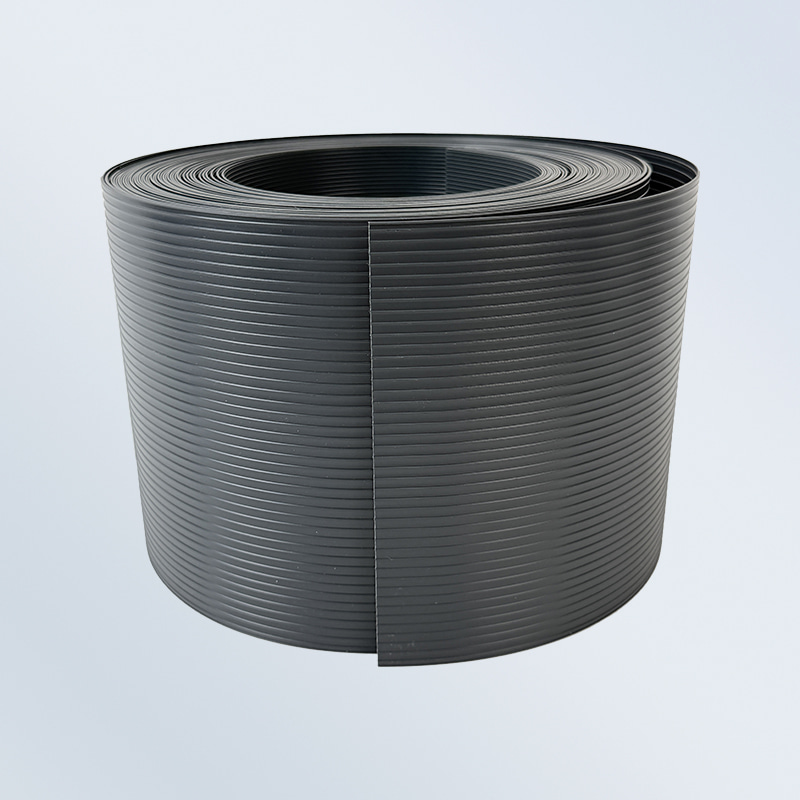
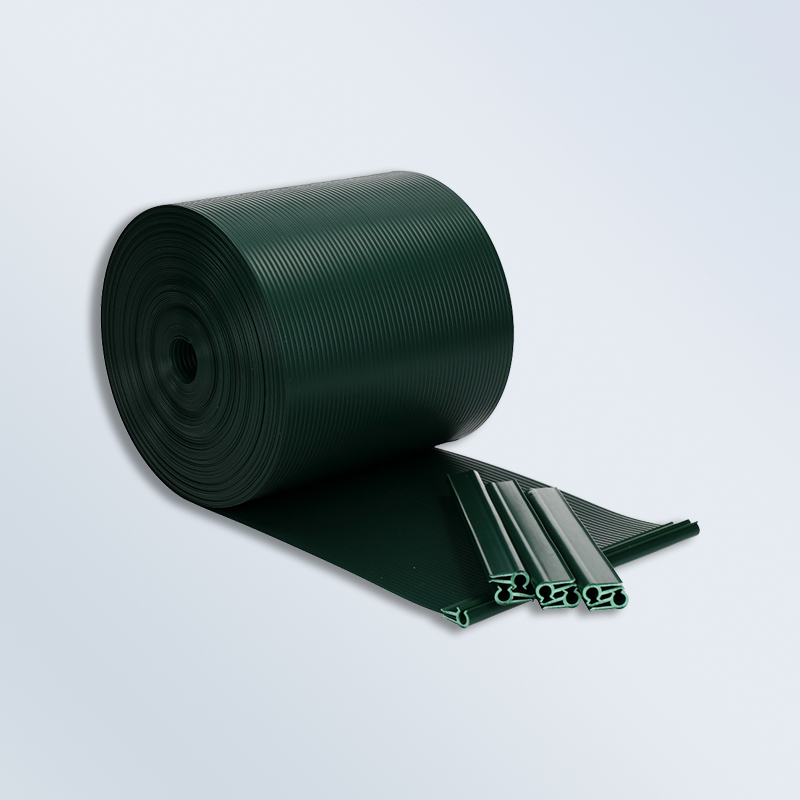
A custom PP fence privacy strip is an extruded polypropylene slat or tape, produced to a buyer-defined width, wall thickness, surface pattern and UV package, that slides into or clips onto an existing fence panel to block sightlines without replacing the fence itself.
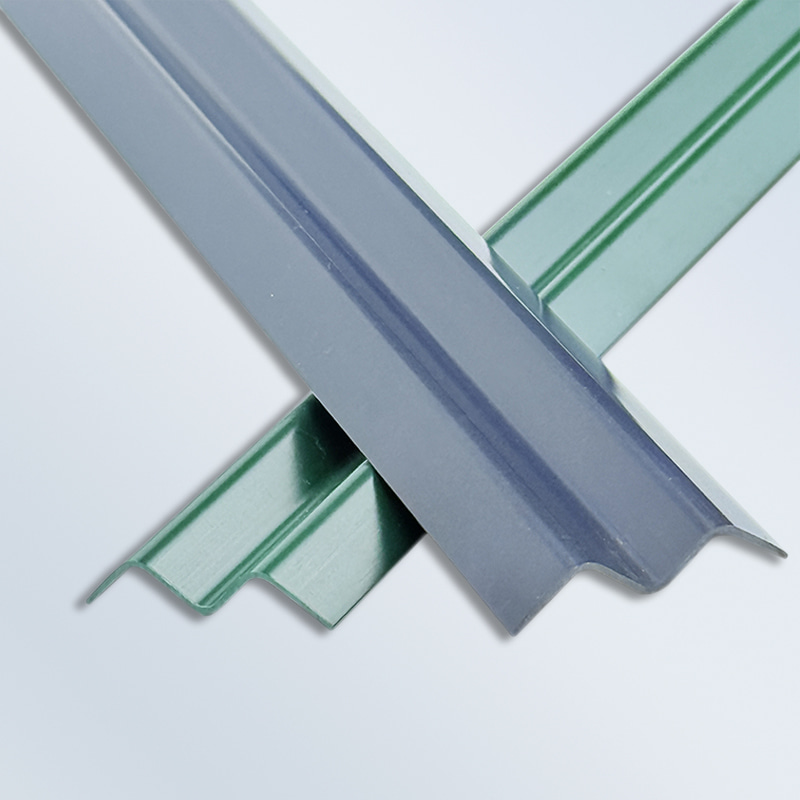
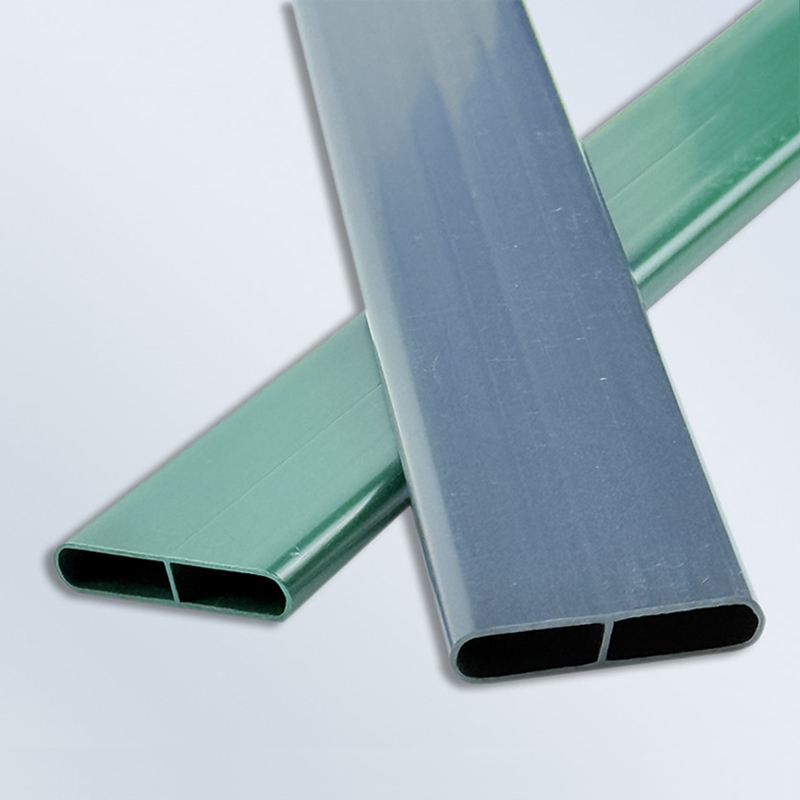
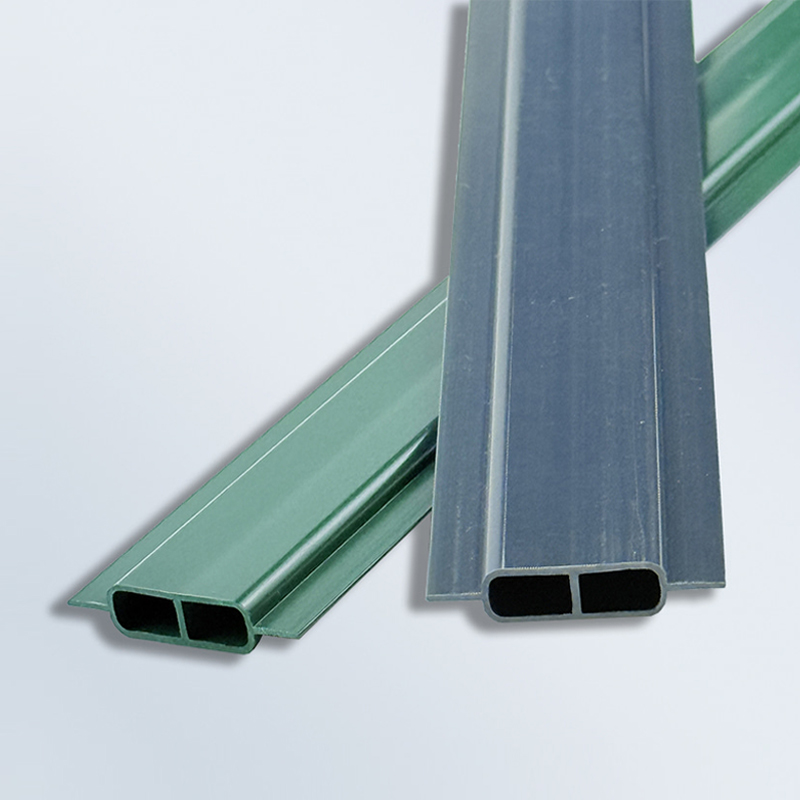
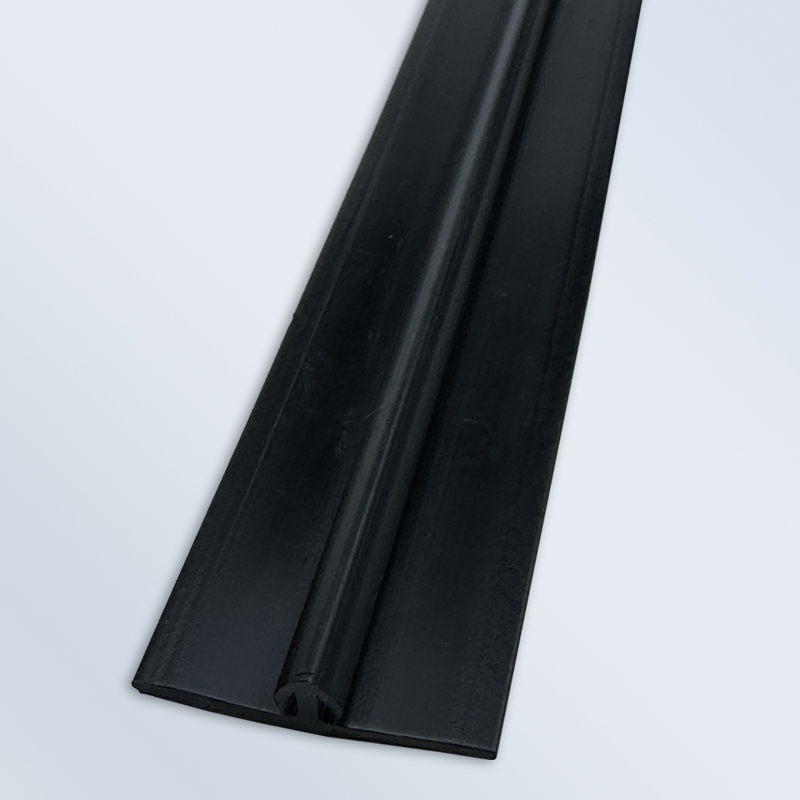 Custom PP Profiles for Fence Strips and Industrial ExtrusionCustom PP profiles made from virgin resin, with tailored tooling, dimensions, UV packages, and secondary processing for fence and industrial uses.View Product →
Seven measured values on one page remove almost every argument at the destination port. Suppliers will debate opinions for weeks, but they rarely argue with a number written into the purchase order.
The clause that saves the most money: require the UV masterbatch brand and loading to appear on the mill certificate. A strip that fades from grey to chalk white in two summers costs more in replacements than the entire UV additive bill on the order, and it is the one defect that shows up long after the container has been paid for.
Rigid PP delivers the most stiffness per kilogram, rigid PVC holds colour longest under strong sun, and PE stays flexible when temperatures drop below minus 20 degrees Celsius. The fence frame and the local climate should choose the polymer, not the price list.
The mechanical gap between them is wide. Flexural modulus sits near 2,600 MPa for rigid PVC, around 1,350 MPa for PP homopolymer and close to 1,000 MPa for HDPE. That is why a 1.0 mm PP strip feels stiffer in the hand than a 1.2 mm PE strip of the same width.
Flexural modulus of common privacy strip polymers, MPa
| Material | Stiffness | UV life in strong sun | Cold behaviour | Typical use |
| Rigid PP | High | Medium without stabiliser | Brittle below minus 10 C | Chain link infill, 3D panel slats |
| Rigid PVC | Very high | Long | Brittle below minus 5 C | Long-life decorative slats |
| Soft PVC | Low, flexible | Long | Stays flexible | Woven privacy tape for chain link |
| HDPE | Low to medium | Medium | Flexible to minus 40 C | Cold climate and agricultural fencing |
The second decision is resin grade. Buyers comparing virgin PP versus recycled PP fence strips usually discover that recycled content saves roughly 10 to 20 percent on resin, while costing stiffness and colour consistency that the clip geometry was designed around.
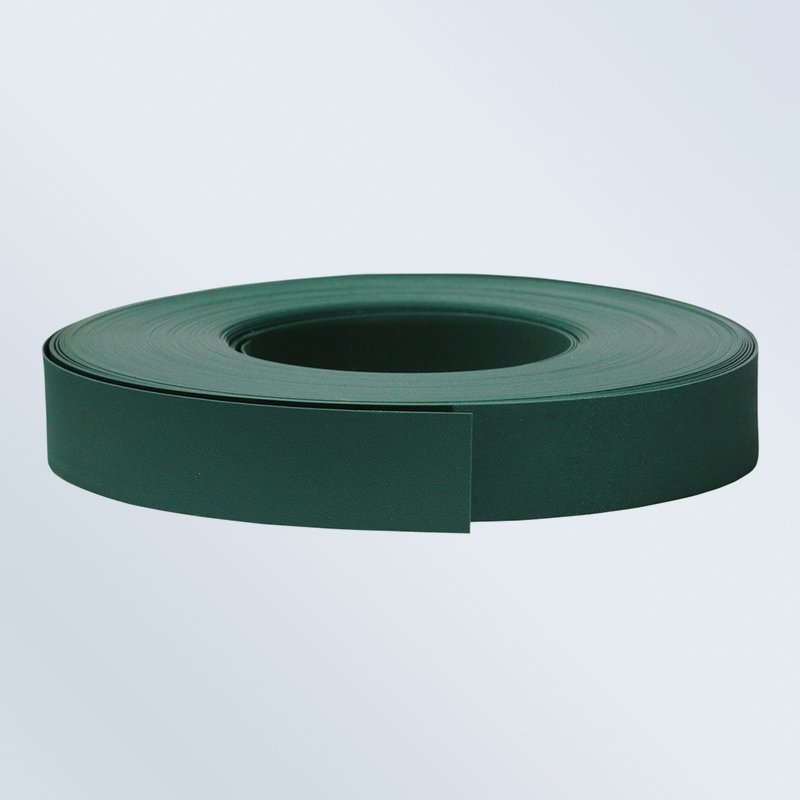
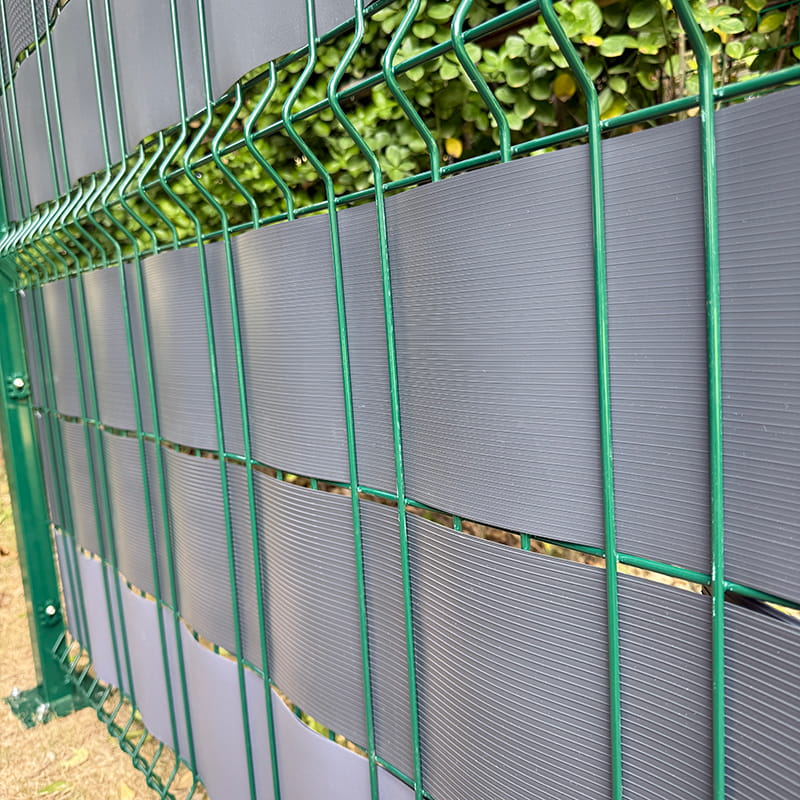 Classic Line PP Fence Tape for Outdoor Privacy ScreensPolypropylene privacy fence tape in multiple widths, UV-resistant and tear-resistant for gardens, balconies, and courtyards with clip-based installation.View Product →
Five checks separate a genuine extrusion house from a trading desk: who owns the die, whether compounding happens in-house, whether the matching clips come off the same line, what the loading records show, and whether the UV claim is backed by a test report.
Weathering performance follows the same logic. Understanding how long privacy fence strips last outdoors in your own climate band tells you what UV loading to write into the order instead of accepting whatever the factory offers by default.
Zhejiang Huzhou Dayou Plastic Technology Co., Ltd. runs this exact structure: PVC and PP extrusion, in-house production of the plastic clips that hold the strips, and cutting tools for installation crews, which means a strip order and its fixing hardware can be quoted and shipped together rather than sourced from three different suppliers.
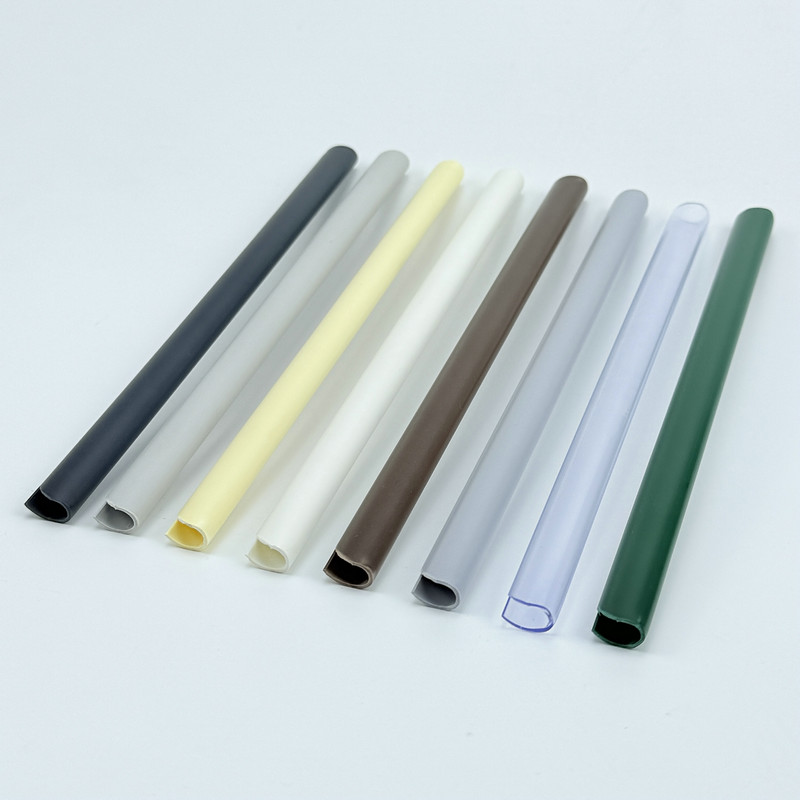 PVC Snap-Fit Mounting Clips for Fence Privacy StripsSnap-fit PVC clips that secure flexible fence tapes without drilling, helping create a continuous privacy barrier in garden and balcony fencing.View Product →
Most extrusion factories in Zhejiang quote a first order of roughly 500 kg to 1,000 kg for an existing width, and 1,000 kg to 3,000 kg when a new die has to be cut. Tooling is normally amortised over the first two or three runs, so ask for the die price separately from the unit price. That single number tells you exactly what switching supplier later would cost.
A rigid PP strip with a properly dosed HALS package typically holds colour and impact strength for five to ten years in central European conditions, and closer to four to six years in high-UV regions such as the Gulf or northern Australia. Without UV stabilisation, surface chalking can appear within 18 months.
Yes, provided you ship a physical master sample and agree a Delta E limit, usually 2 or lower. Colour matching from a phone photograph fails because screen calibration shifts grey, green and anthracite by several Delta E points. A physical sample plus a stated limit converts a subjective argument into a measurable pass or fail.
PP strips are rigid extruded slats that push into mesh or clip into panels and hold their own shape. PVC privacy tape is a soft, flexible strip, often 190 mm wide at 450 to 630 gsm, woven vertically through chain link so it covers more area per kilogram. Rigid strips give a straighter, more architectural finished surface; soft tape is faster to install and easier to handle on long runs.

 +86-18267317201
 +86-572-2373931
 [email protected]
 1411 Building 1,No.1969 Chuangye Avenue, Huzhou City ,Zhejiang Province, China.
 | Login


 Español
  Deutsch