How Does a Traffic Cone Connecting Rod Enhance Stability and Visibility in Road Barriers?
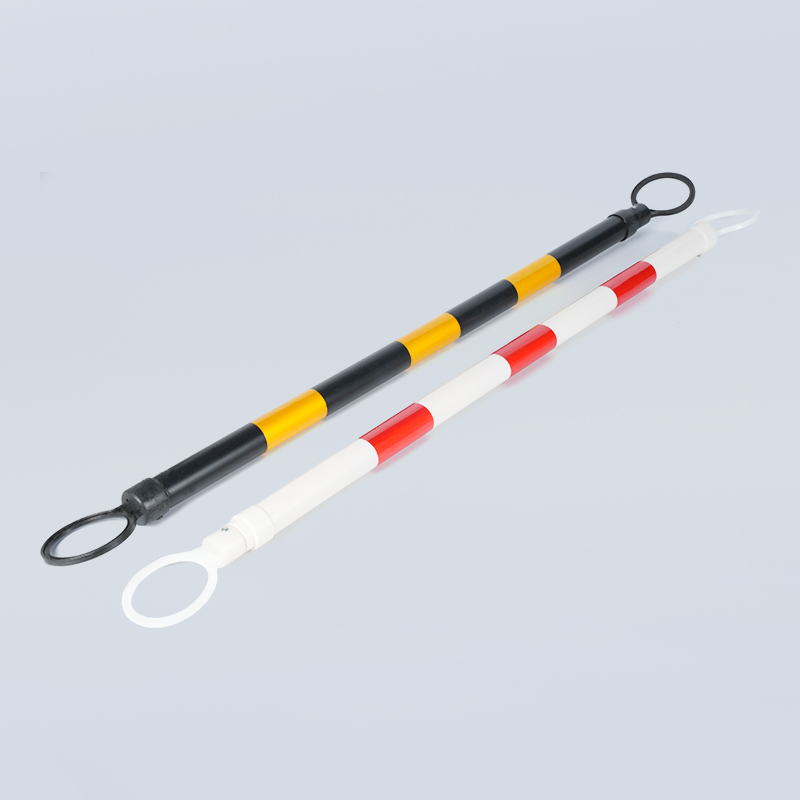
In contemporary traffic management systems, modular safety devices are widely adopted to improve flexibility, rapid deployment, and hazard visibility. Among these components, the traffic cone connecting rod plays a critical structural role. It is designed to link multiple traffic cones into a unified barrier line, transforming individual cones into a stable, continuous visual and physical guidance system. This significantly enhances both roadside safety equipment performance and traffic channelization efficiency.
Functional Role of Traffic Cone Connecting Rod in Road Barriers
The primary purpose of a traffic cone connecting rod is to maintain consistent spacing and alignment between cones. Without connection, cones are prone to displacement caused by wind, vehicle airflow, or accidental contact. Once connected, the system becomes a semi-rigid barrier that improves stability and predictability.
Key functions include:
- Maintaining uniform cone spacing for better lane guidance
- Increasing resistance to external impact and wind forces
- Improving visibility of the entire barrier line
- Supporting temporary road diversion and construction zones
- Enhancing pedestrian and vehicle separation systems
Structural Stability Enhancement Mechanism
A single traffic cone has limited resistance to lateral movement. However, when multiple cones are linked using connecting rods, the system distributes external force across the entire structure.
Stability improvement mechanism:
- Load distribution: Force applied to one cone is partially transferred to adjacent cones
- Reduced tipping risk: Connected structure lowers individual cone instability
- Improved alignment retention: Prevents cones from drifting out of position
- Barrier continuity: Creates a visually and physically continuous safety line
This is particularly important in environments such as highways, parking zones, and construction perimeters where temporary traffic delineators must remain stable for extended periods.
Visibility Optimization in Traffic Control Applications
Visibility is a core requirement for all road barrier systems. A connected cone system significantly improves driver recognition distance and hazard awareness.
Enhancement mechanisms include:
- Continuous horizontal visual line improves perception speed
- Reduces visual gaps between individual cones
- Supports reflective materials for nighttime recognition
- Enhances guidance accuracy in complex road conditions
By combining cones with a traffic cone connecting rod, the system transitions from scattered markers to a structured visual warning line, improving reaction time for drivers.
Material Selection and Performance Comparison
The performance of a traffic cone connecting rod is highly dependent on material selection. Different materials offer varying levels of flexibility, durability, and weather resistance.
| Material Type |
Flexibility |
Durability |
Weather Resistance |
Application Suitability |
| PP (Polypropylene) |
Medium |
High |
Good |
General road use |
| PVC |
High |
Medium |
Excellent |
Outdoor long-term use |
| PE (Polyethylene) |
High |
Medium |
Good |
Temporary traffic control |
| Rubber composite |
Low |
Very High |
Excellent |
Heavy-duty environments |
Selecting the appropriate material ensures optimal performance in traffic cone barrier systems and road safety equipment installations.
Application Scenarios in Road Safety Systems
The traffic cone connecting rod is widely used across multiple traffic control environments. Its modular nature allows quick deployment and reconfiguration.
Common applications include:
- Road construction and maintenance zones
- Lane diversion and detour guidance systems
- Parking lot traffic management
- Event crowd control barriers
- Emergency road blocking systems
In these scenarios, connected cone systems provide both physical guidance and psychological direction for road users.
Engineering and Design Considerations
Modern traffic cone connecting rods are designed with usability and safety in mind. Key engineering factors include:
- Elastic connection design: Allows slight movement without breaking structure
- Quick installation system: Enables rapid setup and removal
- Compatibility: Fits multiple cone sizes and shapes
- UV resistance: Prevents aging under long-term sunlight exposure
- Impact tolerance: Maintains integrity under repeated contact
These features ensure the system remains reliable in dynamic traffic environments.
Manufacturing and Customization Capability
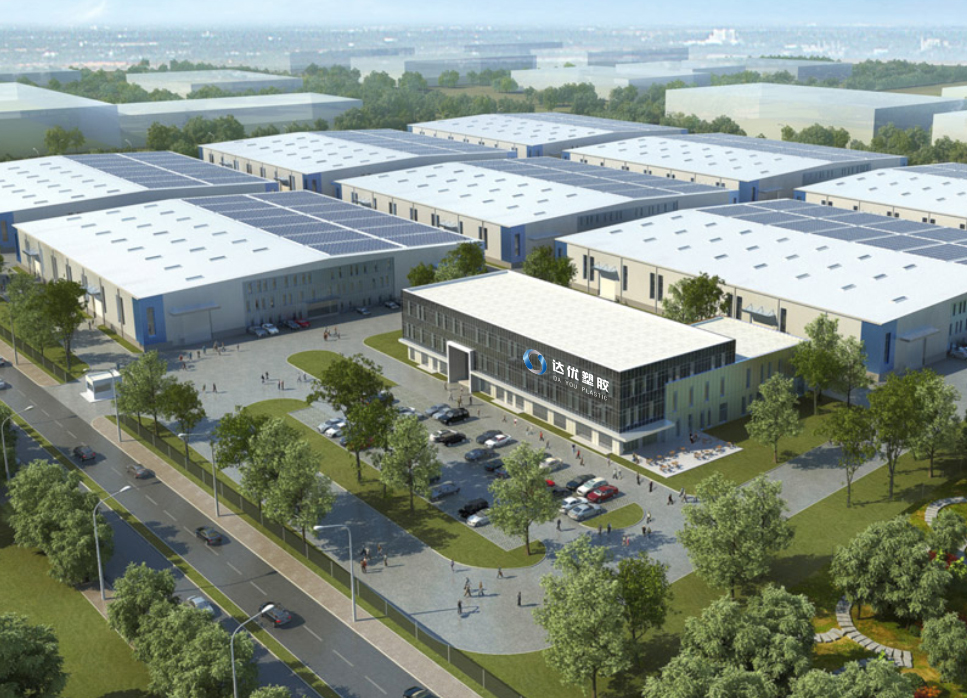
In practical production, customization plays a significant role in meeting different project requirements. Zhejiang Huzhou Dayou Plastic Technology Co., Ltd. is a large-scale, innovative enterprise integrating independent raw material production, mold design, and plastic product manufacturing.
As a professional custom pp fence tape manufacturer and pvc fence tape factory, the company also provides supporting plastic traffic safety components, including connecting accessories used in road safety systems.
Their advantages include:
- Fully customized product design based on project requirements
- High-quality material selection and process optimization
- Flexible production capacity with short lead time delivery
- Multiple material and structural options for different applications
Such capabilities ensure that traffic safety products, including the traffic cone connecting rod, meet varied environmental and engineering demands.
System-Level Value in Traffic Safety Engineering
From a system perspective, the traffic cone connecting rod is not just a connector—it is a structural enhancement element. It transforms independent safety markers into an integrated road barrier system.
System-level benefits include:
- Improved traffic guidance clarity
- Reduced accident risk in work zones
- Enhanced temporary infrastructure reliability
- Better organization of pedestrian and vehicle separation
- Increased efficiency in traffic management deployment
FAQ
Q1: What is the main function of a traffic cone connecting rod?
It connects multiple traffic cones into a stable and continuous barrier line to improve alignment and safety.
Q2: Does it improve road safety visibility at night?
Yes, by forming a continuous structure, it enhances reflective visibility and driver recognition.
Q3: What materials are commonly used for traffic cone connecting rods?
Common materials include PP, PVC, PE, and rubber composites depending on durability needs.
Q4: Can it be used in temporary traffic control systems?
Yes, it is widely used in construction zones, detours, and event traffic management.
Q5: Is the system easy to install and remove?
Yes, most designs support quick installation for efficient deployment and relocation.




 Español
  Deutsch