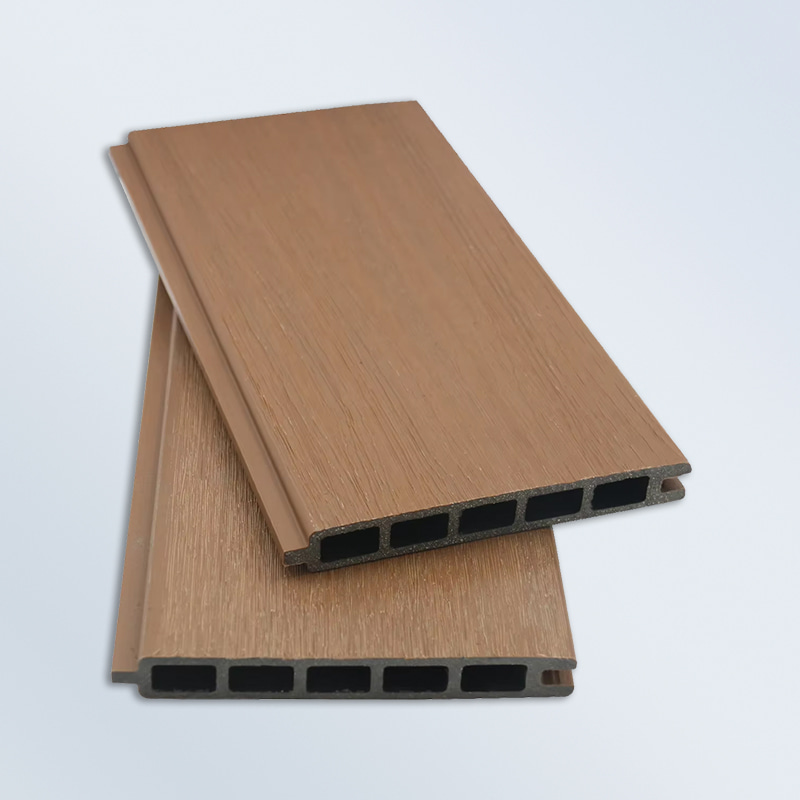
The global fencing market continues to expand, supported by rising investment in infrastructure, residential construction and landscaping projects. Metal welded mesh fencing remains one of the most popular perimeter security solutions worldwide.
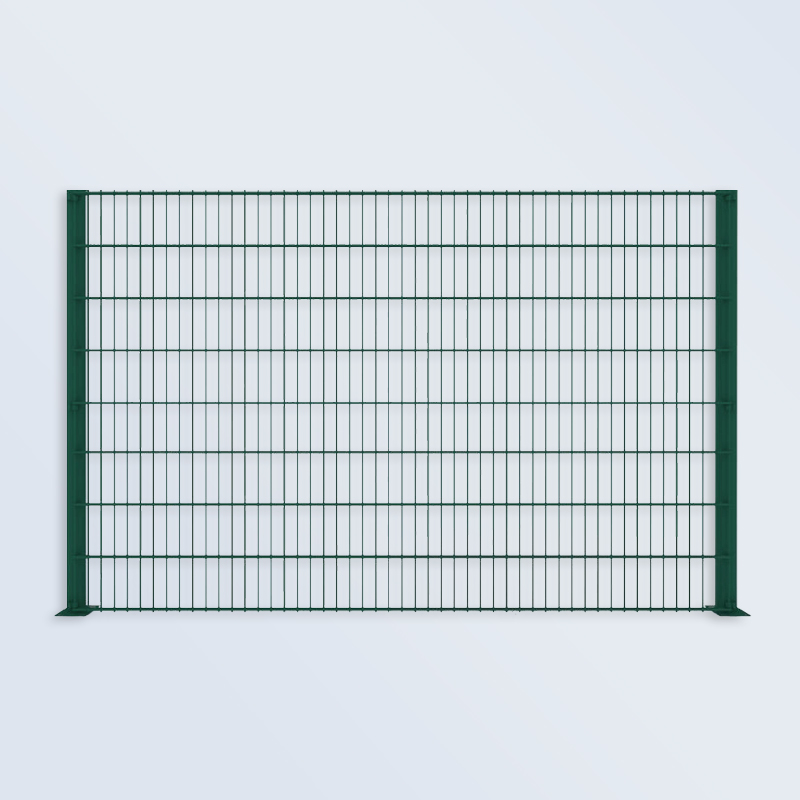
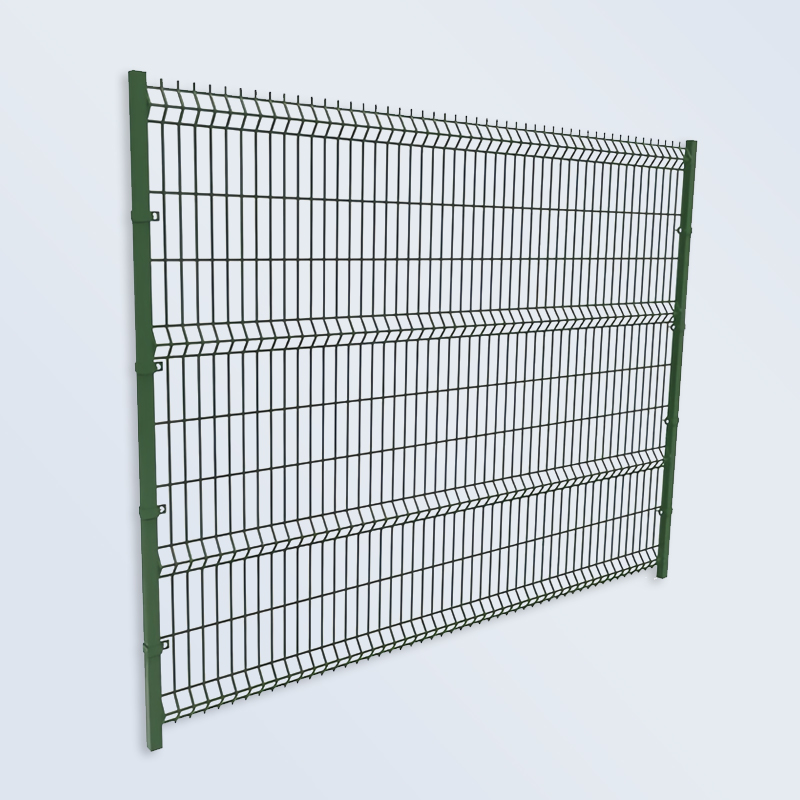
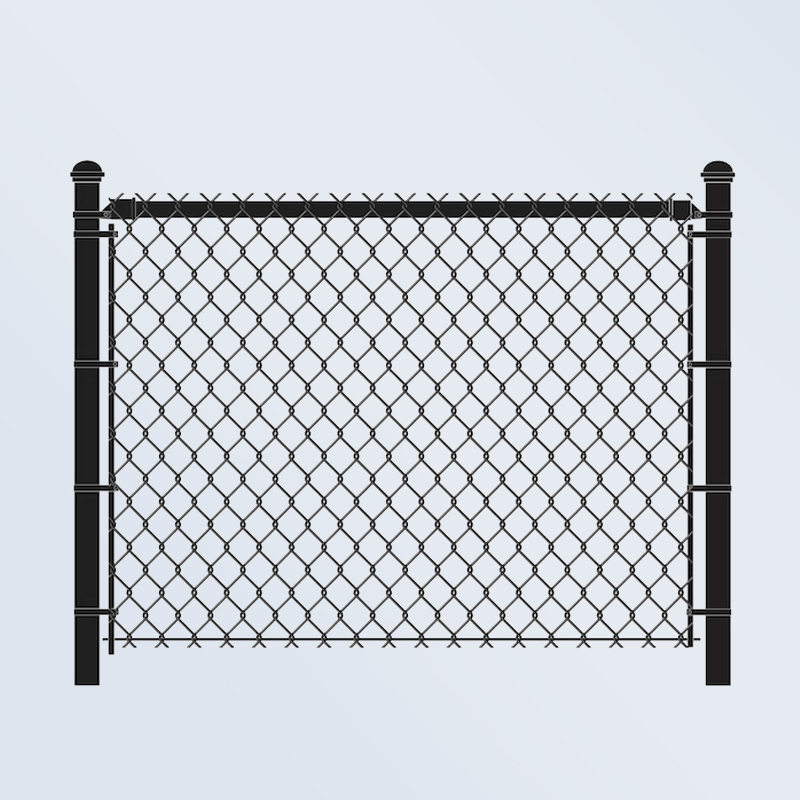
Known for high tensile strength, anti-corrosion treatment and low maintenance requirements, metal wire mesh fence is widely adopted by contractors, farm owners and municipal buyers. We provide customizable fencing options including 2D double wire mesh fence, 3D V-bend fence and chain link fence, to meet different project specifications for Europe, Australia and Southeast Asia markets.
How Plastic Fencing Has Evolved as a Structural Category
Plastic fencing entered the market primarily as a low-maintenance alternative to painted timber, positioned on aesthetics and the elimination of annual repainting cycles. Over the past two decades, the category has matured considerably. Advances in PVC compounding, co-extrusion technology, and profile engineering have expanded plastic fencing from decorative picket styles into structural applications that were previously the exclusive domain of timber, steel, or concrete—including agricultural boundary fencing, industrial perimeter enclosures, and heavy-load retaining configurations.
This evolution has been driven largely by improvements in three areas: UV stabilization chemistry, which extended service life from roughly five years in early formulations to fifteen or more years in current UV-stabilized grades; profile geometry, which shifted from simple flat boards to hollow cellular and ribbed cross-sections that deliver greater stiffness per unit of material weight; and connection system design, which moved from surface-screwed assemblies to interlocking rail-and-post systems that distribute load more evenly and eliminate visible fasteners.
Zhejiang Huzhou Dayou Plastic Technology Co., Ltd has developed its fence product range within this context, applying in-house mold design and raw material production to develop profiles that go beyond decorative function into genuine structural performance.
Understanding Fence Categories and Their Functional Differences
The term "fence" covers an enormous range of products that differ in structural role, material specification, installation method, and regulatory context. Buyers sourcing fencing for import or retail distribution benefit from a clear framework for navigating these distinctions:
| Fence Category |
Primary Function |
Key Specification Driver |
Typical End Market |
| Privacy fence |
Visual screening |
Panel height, sight-line elimination |
Residential, hospitality |
| Garden / decorative fence |
Boundary definition, aesthetics |
Profile style, color, height |
Residential garden, retail DIY |
| Security fence |
Access control, deterrence |
Post strength, anti-climb geometry |
Commercial, industrial |
| Pool / safety fence |
Hazard containment |
Compliance with local safety standards |
Residential, leisure facilities |
| Agricultural fence |
Animal containment, land division |
Impact resistance, post spacing, cost per linear meter |
Farming, rural property |
Overview of primary fence categories and their defining specification requirements
Each category carries distinct requirements for profile wall thickness, post embedment depth, panel-to-post connection method, and surface treatment. Sourcing from a manufacturer with a broad fence product range—rather than a single profile type—allows buyers to consolidate supplier relationships while addressing multiple product segments within a single order or catalogue.
Post Systems and Panel Connections: Where Most Fence Failures Begin
The visual component of a fence—the panel, picket, or slat—receives most of the attention at the point of purchase. In practice, the majority of field failures in plastic fencing originate at the post system or the panel-to-post connection, not in the panel material itself. This makes the post specification and connection detail at least as important as the panel profile when evaluating overall system quality.
Key failure modes at the post and connection level include:
- Post rotation under lateral load — insufficient embedment depth or inadequate concrete footing allows posts to rotate when panels are loaded by wind or impact, progressively loosening the entire panel run
- Rail slot elongation — where panels slot into post channels, undersized channel walls deform over time under the weight of heavy panels or plant growth, allowing the panel to drop or shift
- Fastener corrosion — surface-screwed assemblies using carbon steel or low-grade zinc fasteners corrode and stain the fence surface within two to three years in humid or coastal environments
- Thermal expansion mismatch — where plastic panels are fixed rigidly to metal posts, differential thermal expansion rates can cause panel buckling in summer and connection stress cracking in winter
Well-designed fence systems address these failure modes through deeper post profiles with reinforced channel walls, stainless or polymer fasteners, and floating panel connections that allow controlled thermal movement without transmitting expansion stress to the post.
Sourcing Plastic Fencing at Scale: What Production Capability Actually Means for Buyers
For importers and distributors sourcing fencing in container quantities, production capability translates directly into order reliability, lead time consistency, and the ability to manage specification changes without disrupting supply. Several production factors are worth verifying when qualifying a fence supplier:
- Extrusion line capacity and flexibility — suppliers with multiple extrusion lines can run different profiles concurrently, reducing lead times on mixed-SKU orders and providing redundancy if one line requires maintenance
- In-house mold design — custom profile development or modification requests that would take months through a third-party tooling supplier can be turned around significantly faster when the mold shop operates within the same facility
- Raw material integration — manufacturers who compound their own PVC can adjust formulations to meet market-specific requirements (e.g., higher UV stabilizer loading for tropical markets, flame-retardant grades for specific applications) without being constrained by third-party compound availability
- Multi-site production — geographic distribution of production capacity across multiple facilities reduces the risk of a single event—weather, power outage, labor disruption—halting all output simultaneously
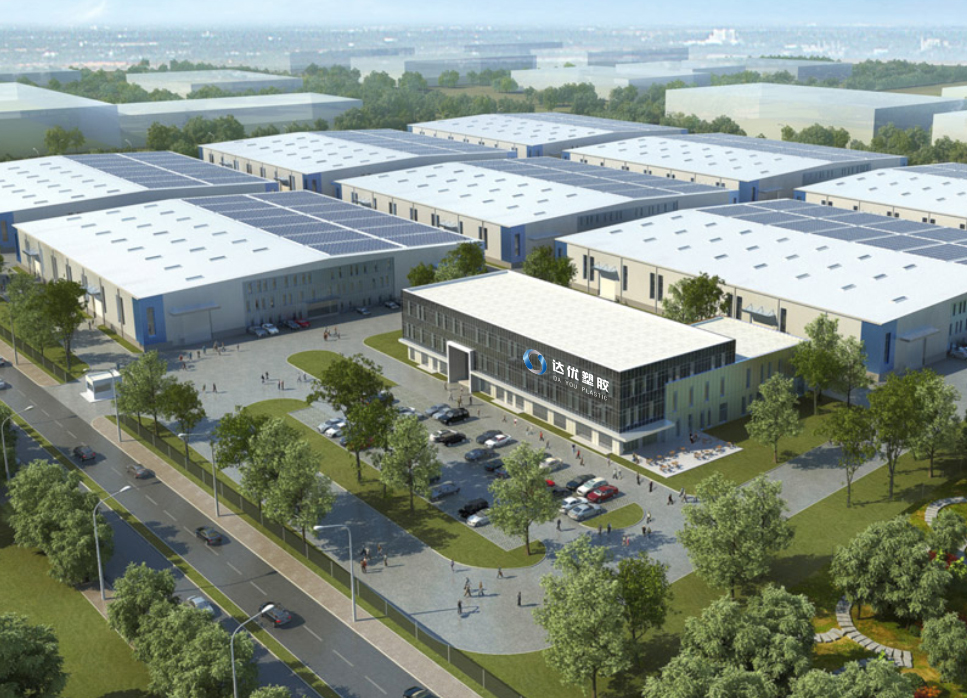
Operating across production bases in Huzhou, Changxing, and Anqing with a combined facility area exceeding 20,000 square meters, Dayou Plastic is structured to support the volume and consistency requirements of international buyers sourcing fence products for distribution at scale—with the added advantage of raw material and mold design integration that supports both standard catalogue orders and custom product development.




 Español
  Deutsch