
 2026.05.22
 Industry News
Content
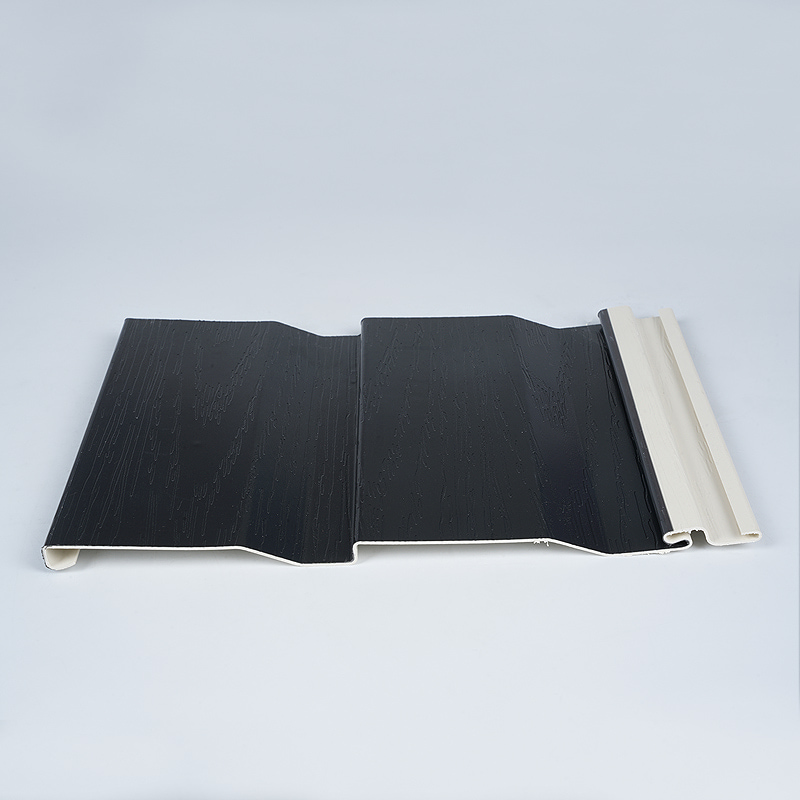
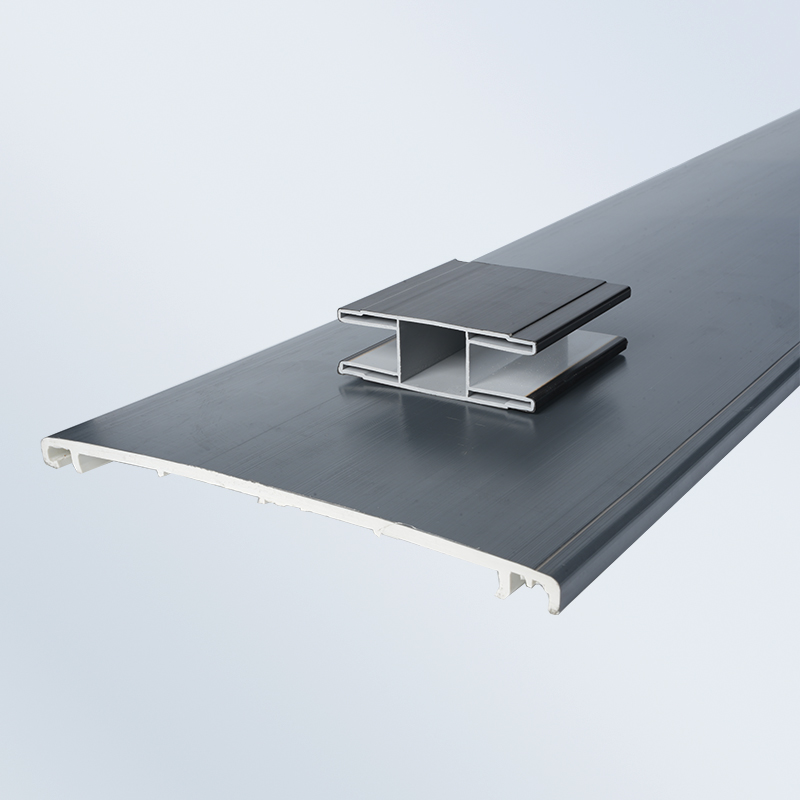
PVC Vinyl Siding is a construction material widely used for exterior wall cladding in residential, commercial, and industrial buildings. It is composed primarily of polyvinyl chloride (PVC) polymers, often reinforced with stabilizers and impact modifiers to improve durability, weather resistance, and structural integrity. PVC siding provides a lightweight, cost-effective, and low-maintenance alternative to traditional siding materials such as wood, fiber cement, and metal.
The following table provides a technical comparison of PVC vinyl siding with common alternatives:
| Property | PVC Vinyl Siding | Wood Siding | Fiber Cement Siding | Metal Siding |
|---|---|---|---|---|
| Tensile / Flexural Strength | 400–600 N/mm² | 300–500 N/mm² | 500–700 N/mm² | 600–900 N/mm² |
| Impact Resistance | High | Medium | Medium-High | High |
| Moisture & Rot Resistance | Excellent | Low – requires treatment | Good | Excellent |
| UV / Sunlight Resistance | Excellent | Medium – may fade or warp | Good | Good |
| Maintenance Requirement | Low – periodic cleaning | High – sanding, staining, painting | Medium – occasional painting | Medium – anti-corrosion treatment for steel |
| Typical Lifespan | 20–30 years | 10–20 years | 25–40 years | 30–50 years |
Zhejiang Huzhou Dayou Plastic Technology co.,ltd., established in 2017, is a large-scale, innovative enterprise integrating raw material production, mold design, and plastic product manufacturing. With three production bases in Huzhou, Zhejiang, Changxing, Zhejiang, and Anqing, Anhui, covering over 20,000 square meters, the company specializes in high-quality custom PP and PVC building materials, including PVC vinyl siding, designed to meet the durability, environmental, and aesthetic requirements of modern construction projects.
PVC Vinyl Siding is primarily made from polyvinyl chloride (PVC) resin, combined with various stabilizers, plasticizers, and impact modifiers to enhance durability, flexibility, and environmental resistance. The typical composition includes:
PVC vinyl siding is engineered to balance rigidity, impact resistance, and dimensional stability. The table below compares key mechanical properties of PVC siding to other common siding materials:
| Property | PVC Vinyl Siding | Wood Siding | Fiber Cement Siding | Metal Siding (Aluminum/Steel) |
|---|---|---|---|---|
| Tensile Strength | 400–600 N/mm² | 300–500 N/mm² | 500–700 N/mm² | 600–900 N/mm² |
| Flexural Modulus | 2200–3000 MPa | 800–1500 MPa | 2500–3500 MPa | 2000–3500 MPa |
| Impact Resistance | High – resists cracking under force | Medium – prone to splitting and denting | Medium-High – brittle under heavy impact | High – may dent but rarely cracks |
| Dimensional Stability | Excellent – low expansion/contraction | Moderate – expands/contracts with humidity | Good – minor expansion under moisture | Excellent – minimal thermal movement |
| Water Resistance | Excellent – impervious to rot or mold | Poor – susceptible to moisture damage | Good – minor absorption possible | Excellent – corrosion protection required for steel |
| Maintenance | Low – occasional cleaning | High – regular painting and sealing | Medium – periodic cleaning and repainting | Medium – anti-corrosion and surface maintenance |
Zhejiang Huzhou Dayou Plastic Technology co.,ltd., established in 2017, specializes in high-quality custom PVC building materials, including vinyl siding. The company integrates raw material production, mold design, and manufacturing across three production bases in Huzhou, Zhejiang, Changxing, Zhejiang, and Anqing, Anhui, covering over 20,000 square meters. This expertise ensures that each PVC vinyl siding product meets strict mechanical and durability standards for residential, commercial, and industrial applications.
PVC Vinyl Siding is engineered with UV stabilizers to prevent degradation and color fading under prolonged exposure to sunlight. The stabilizers ensure that the siding maintains structural integrity and aesthetic appearance over decades, even in high-sunlight regions. UV resistance is measured by the material’s ability to retain tensile strength and surface gloss after accelerated weathering tests.
One of the most critical advantages of PVC Vinyl Siding is its resistance to water absorption and moisture-induced damage. Unlike wood siding, PVC does not warp, rot, or support mold and mildew growth. Its water absorption rate is typically below 0.2%, making it suitable for regions with high humidity or heavy rainfall.
PVC siding is manufactured to meet fire safety regulations. With fire retardants incorporated into its composition, PVC Vinyl Siding exhibits slow-burning behavior and self-extinguishing properties. Fire resistance testing often includes ASTM E84 surface burning characteristics to ensure compliance with building codes.
PVC Vinyl Siding can withstand a wide range of temperatures, from -40°C to +60°C, without losing structural integrity. Its coefficient of linear thermal expansion is approximately 5 × 10⁻⁵ /°C, which is significantly lower than other plastic siding alternatives, minimizing panel warping or buckling in extreme weather conditions.
| Property | PVC Vinyl Siding | Wood Siding | Fiber Cement Siding | Metal Siding |
|---|---|---|---|---|
| UV Resistance | Excellent – maintains color and strength | Medium – prone to fading and surface degradation | Good – minor color change over time | Good – may oxidize or fade without coating |
| Moisture Resistance | Excellent – <0.2% absorption | Poor – susceptible to rot and mold | Good – minor water absorption | Excellent – corrosion-resistant if coated |
| Fire Resistance | Good – slow-burning, self-extinguishing | Poor – highly flammable without treatment | Good – non-combustible | Excellent – non-combustible |
| Temperature Tolerance | -40°C to +60°C | -20°C to +50°C | -30°C to +60°C | -40°C to +80°C |
| Dimensional Stability (Thermal Expansion) | 5 × 10⁻⁵ /°C – minimal warping | High – expands/contracts with humidity | Moderate – minor expansion | Low – minimal thermal movement |
Zhejiang Huzhou Dayou Plastic Technology co.,ltd., established in 2017, specializes in high-quality custom PVC building materials, including PVC Vinyl Siding. The company operates three production bases in Huzhou, Zhejiang, Changxing, Zhejiang, and Anqing, Anhui, with a total area exceeding 20,000 square meters. Their expertise ensures PVC vinyl siding products achieve superior environmental resistance, meeting the durability and safety demands of modern construction.
Proper installation is critical to ensure the long-term performance and durability of PVC Vinyl Siding. The following best practices should be observed:
PVC Vinyl Siding is designed for low maintenance, but proper care enhances lifespan and appearance:
The following table compares the installation complexity and maintenance requirements of PVC vinyl siding versus other common siding materials:
| Material | Installation Complexity | Maintenance Requirement | Longevity |
|---|---|---|---|
| PVC Vinyl Siding | Moderate – lightweight and easy to handle; requires nailing/sliding techniques for thermal expansion | Low – periodic cleaning and inspection | 20–30 years |
| Wood Siding | High – requires precise cutting, nailing, and sealing | High – regular painting, sealing, and insect/rot protection | 10–20 years |
| Fiber Cement Siding | Moderate-High – heavy panels, requires cutting and pre-drilling | Medium – occasional repainting and cleaning | 25–40 years |
| Metal Siding | Moderate – light but requires corrosion-resistant fasteners and careful alignment | Medium – surface cleaning and occasional anti-corrosion treatment for steel | 30–50 years |
Zhejiang Huzhou Dayou Plastic Technology co.,ltd., established in 2017, provides detailed guidance and support for the installation and maintenance of PVC Vinyl Siding. With three production bases in Huzhou, Zhejiang, Changxing, Zhejiang, and Anqing, Anhui, the company ensures that all PVC siding products are manufactured to precise dimensional tolerances and quality standards, simplifying installation and reducing long-term maintenance requirements. Their expertise supports residential, commercial, and industrial applications, delivering durable, reliable, and aesthetically consistent results.
PVC Vinyl Siding is highly versatile and used in a wide range of construction projects due to its durability, low maintenance, and aesthetic appeal. Key applications include:
| Property | PVC Vinyl Siding | Wood Siding | Fiber Cement Siding | Metal Siding |
|---|---|---|---|---|
| Durability | High – resistant to rot, insects, moisture | Medium – requires treatment and maintenance | High – moisture resistant, less flexible | High – may require anti-corrosion coating for steel |
| Maintenance | Low – periodic cleaning | High – regular painting, sealing | Medium – occasional cleaning and repainting | Medium – corrosion prevention and cleaning |
| Environmental Resistance | Excellent – UV, moisture, fire-resistant | Poor – prone to weathering | Good – durable but brittle in impact | Good – requires surface protection |
| Installation Ease | Moderate – lightweight, allows expansion/contraction | High – labor intensive | Moderate-High – heavy and requires precision | Moderate – lightweight but needs corrosion-resistant fasteners |
| Typical Lifespan | 20–30 years | 10–20 years | 25–40 years | 30–50 years |
Zhejiang Huzhou Dayou Plastic Technology co.,ltd., established in 2017, is a professional manufacturer of high-quality PVC building materials, including PVC Vinyl Siding. With three production bases in Huzhou, Zhejiang, Changxing, Zhejiang, and Anqing, Anhui, covering over 20,000 square meters, the company provides custom solutions for residential, commercial, and industrial projects. Their products combine superior environmental resistance, mechanical performance, and design flexibility to ensure durable, low-maintenance, and aesthetically appealing siding solutions.

 +86-18267317201
 +86-572-2373931
 [email protected]
 1411 Building 1,No.1969 Chuangye Avenue, Huzhou City ,Zhejiang Province, China.
 | Login


 Español
  Deutsch