
 2026.09.17
 Industry News
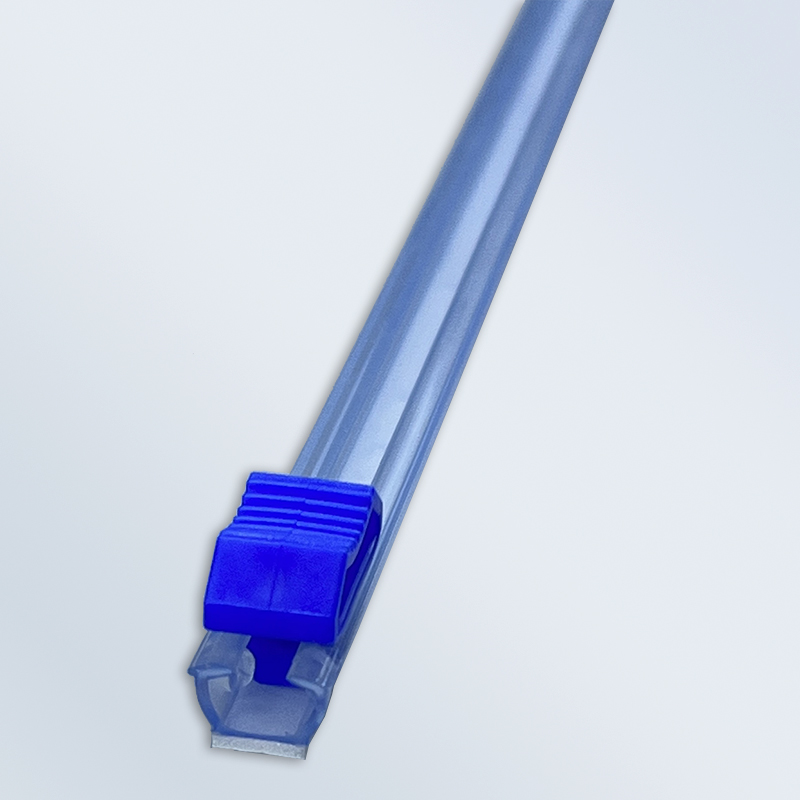
Cut a few hundred lengths of privacy fence tape with a utility knife and the problems surface quickly: ragged ends, uneven widths, a blade slipping into the roll underneath, and more offcuts than the quote allowed for. A plastic slide cutter is the small tool that removes most of that friction. It is a molded plastic part, usually polypropylene (PP) or ABS, that mounts on the end of a tape roll core and carries a cutting edge, so the installer pulls out the web and slides the cutter across for a clean, repeatable cut in one motion.
For buyers the conclusion comes first: if your crew or production line cuts fence tape, privacy strips or similar rolled plastic web every day, a slide cutter normally pays for itself within the first few rolls in saved time and material. The real decision is not whether to use one but which type suits your rolls, push-on or stick-on, and whether the core fit, blade and body material match the way you work.
Content
A slide cutter works on the same principle as the slider in a kitchen wrap box, scaled up for industrial rolls. The tool has three functional parts: a plastic body shaped for grip, a blade or shearing edge set into a slot, and a mount that fixes it to the roll core, either a push-on collar or an adhesive face.
Once seated on the core, the tool lets tape feed out past the blade. The user tensions the web with one hand and slides the cutter across with the other, and the edge shears the tape against the slot. Because the cutting point stays fixed at the roll, every length comes off at the same angle, and no loose knife hovers over the roll or the installer's hand.
Compared with scissors or a utility knife, the practical gains are consistent cut length, undamaged ends on soft PVC strips, no accidental cuts into the layers beneath, and one-handed operation when working from a ladder. None of these is dramatic on its own, but across a full installation season they add up to measurably less waste and faster crews.
The two standard designs differ only in how they attach to the core, but that single difference shapes how you buy, store and reuse them.
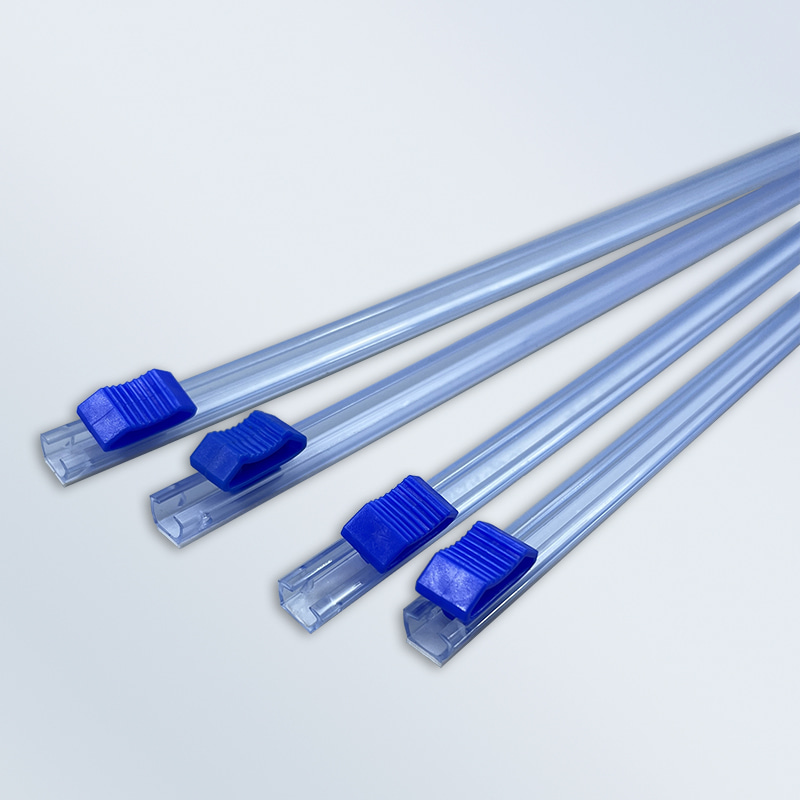
A push-on slide cutter presses onto the end of the roll core and holds by friction. The fit must be snug: a few tenths of a millimeter of slack lets the tool wobble and skew each cut, while forcing it onto an oversized core can split the collar. In return, a push-on cutter is reusable. One tool moves across a whole batch of rolls and then stays in the toolbox for the next delivery, which is why crews that buy tape by the pallet tend to prefer this type.
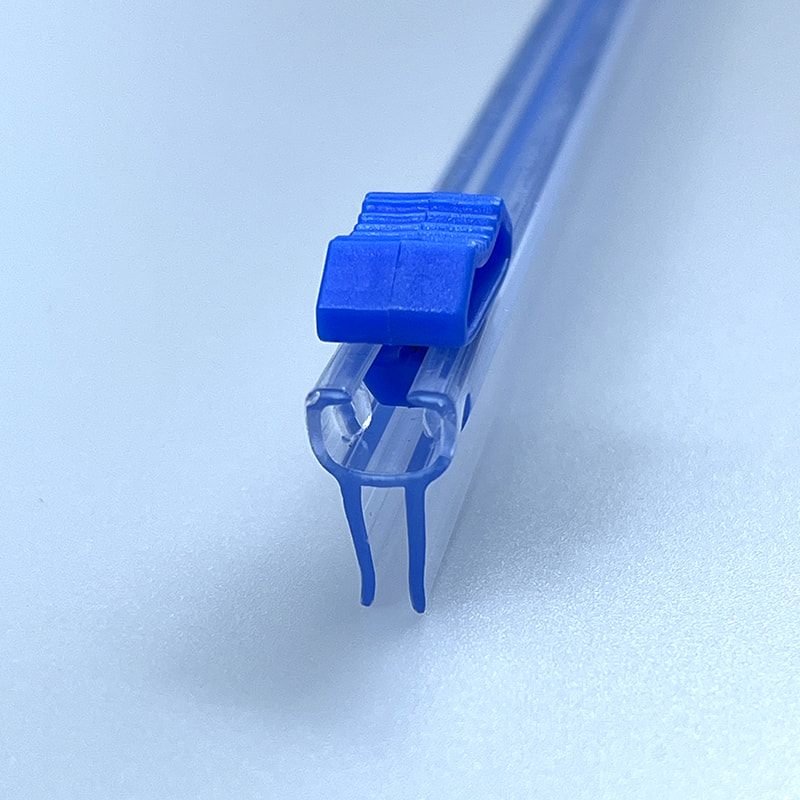 Cling Film Push-On Slide CutterThis push-on cutter presses onto the roll core by friction and is reusable across a whole batch of rolls, making it a practical choice for crews who buy tape by the pallet.View Product →
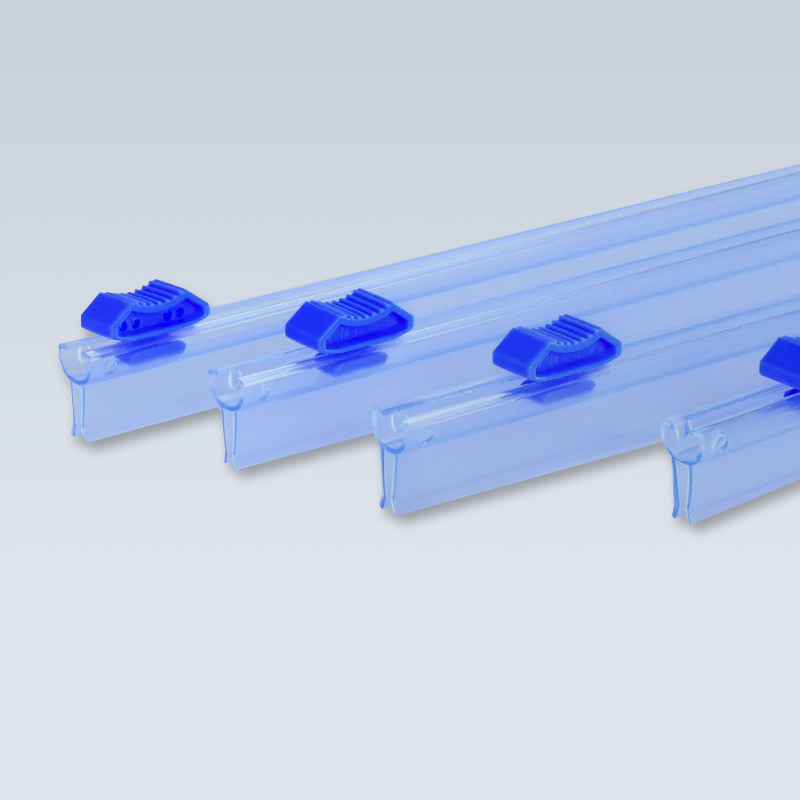
A stick-on slide cutter bonds to the core face with an adhesive base. It cannot migrate to another roll, but it also cannot be lost, and it works straight out of the box with no fitting step. Tape suppliers often ship rolls with a stick-on cutter already attached, which suits retail-packed rolls and customers who install once. They come in small and standard sizes to match different core diameters and web widths.
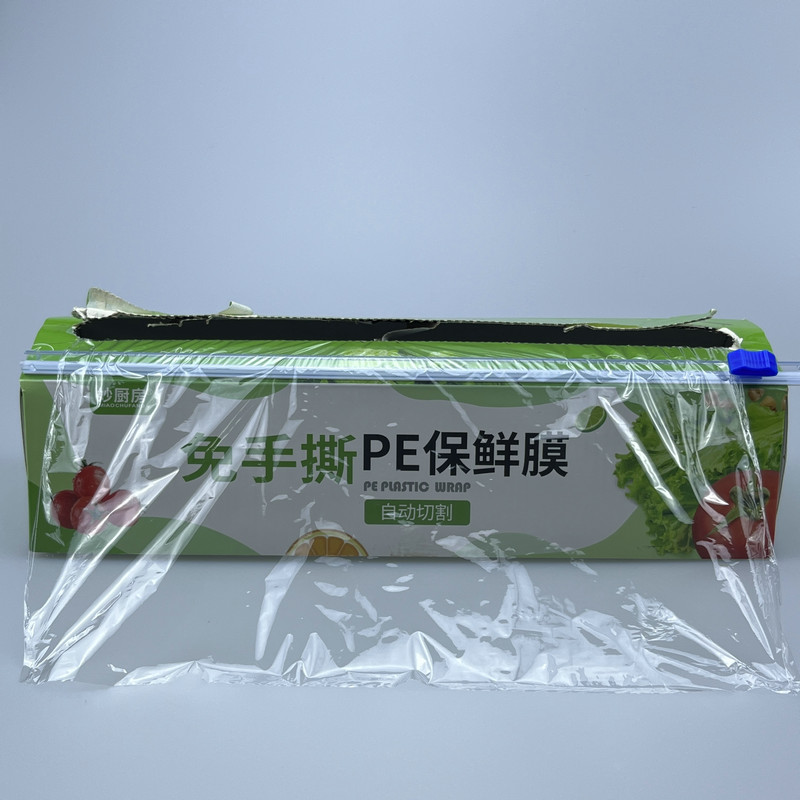 Standard Stick-On Slide CutterBonded to the core face with an adhesive base, this stick-on cutter cannot be lost and works straight out of the box, which suits retail-packed rolls and one-time installations.View Product →
| Feature | Push-On Cutter | Stick-On Cutter |
|---|---|---|
| Attachment | Friction fit over the core end | Adhesive face bonded to the core |
| Reusable | Yes, roll after roll | No, stays on one roll |
| Best suited to | Volume users and installation crews | Retail rolls and one-time installs |
| Key check before ordering | Core diameter tolerance | Adhesive strength and core surface |
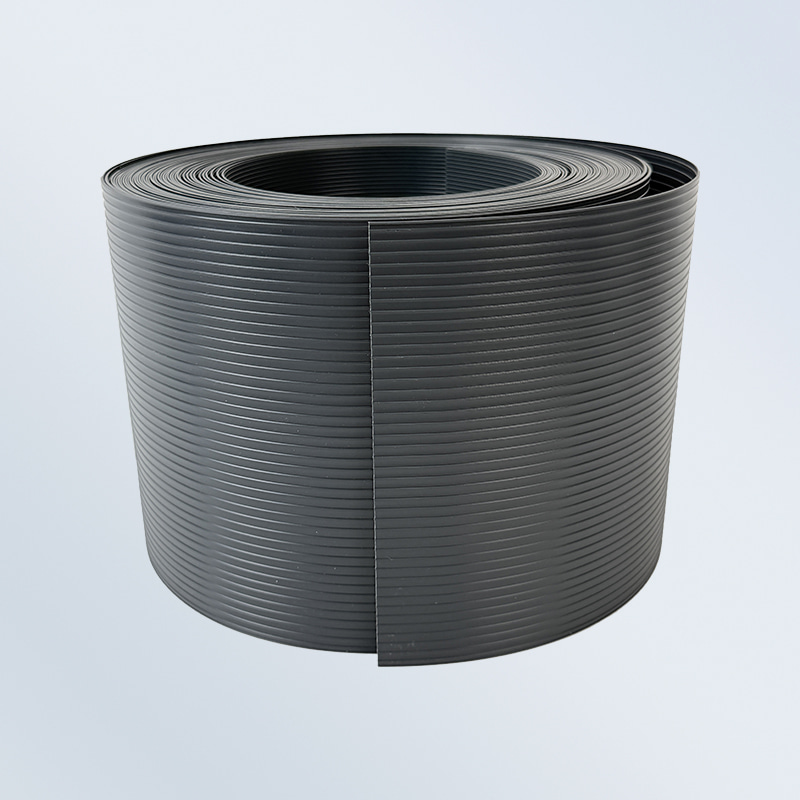
The most demanding application is privacy screening on chain link fencing. Privacy tape is cut to fence height on site, roll by roll, often while the installer works above shoulder height. A slide cutter keeps that rhythm of pull, slide, done, and leaves a square edge that sits tidy inside the wire. For help choosing the tape itself, our guide to chain link fence privacy tape covers material and sizing choices in detail.
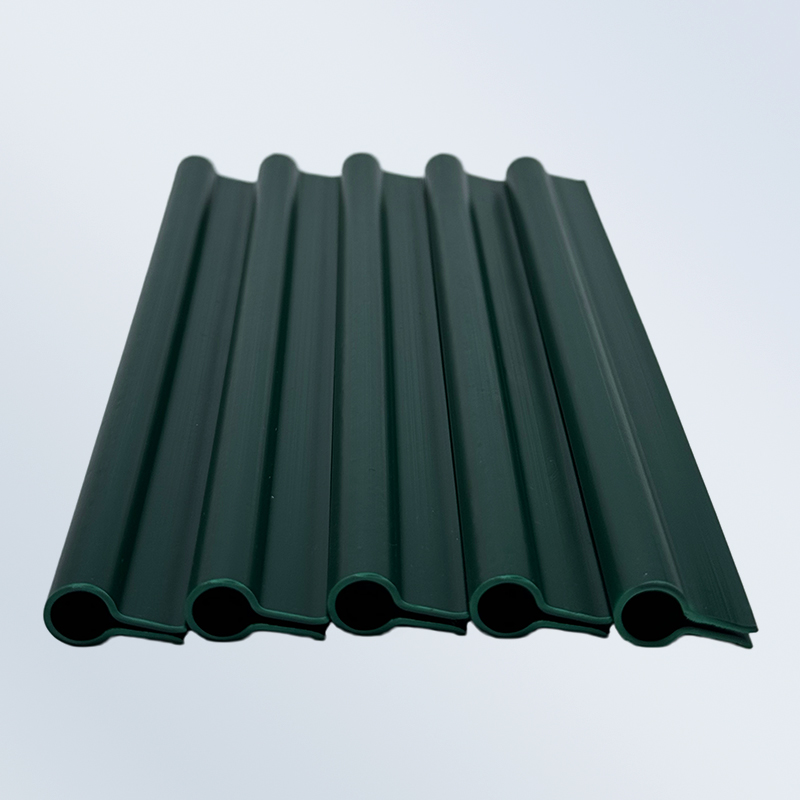
The same logic applies further up the supply chain. Makers of hard PP fence tape and soft PVC fence strips trim sample lengths and finish rolls at the packing bench, and a slide cutter keeps those cuts uniform without swapping tools. In agriculture and packaging, the identical design cuts film, netting and webbing wherever a clean edge matters.
Rolls also need somewhere to sit while they are cut. A core holder clamps the roll by its core so it turns freely and does not wander across the bench, which makes it the natural companion to a slide cutter in any workspace that handles tape in volume.
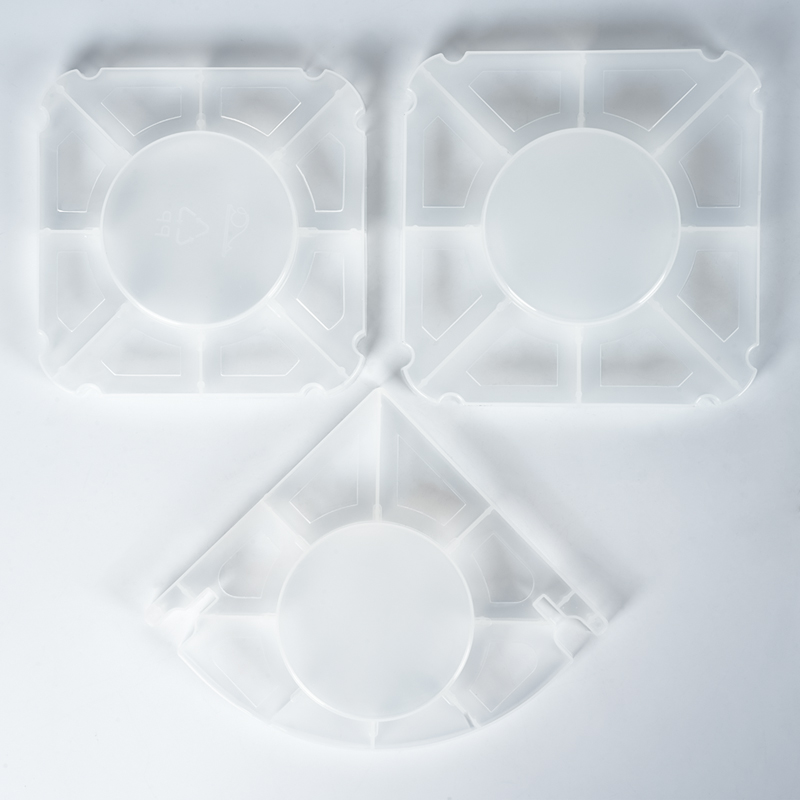 Cling Film Roll Core HolderA core holder clamps the roll so it turns freely without wandering across the bench, making it a natural companion to a slide cutter in workspaces that handle tape or film in volume.View Product →
Slide cutters look interchangeable, but small differences decide whether they work on your rolls. Before requesting a quotation, check:
Two procurement risks deserve a name. The first is ordering cutters before the core size is confirmed; those usually end up unused in a drawer. The second is assuming one model fits every pallet when rolls come from more than one supplier. Send a sample roll to the cutter supplier and let them confirm the fit in writing before you commit to a quantity.
Distributors and fence manufacturers rarely buy slide cutters alone. They travel with the tape they cut and the clips that hold it in place, so it pays to source them from a supplier who makes the surrounding system. A factory that extrudes fence tape and injects clips, cutters and core holders can match the core fit across the whole set instead of leaving you to reconcile tolerances between three vendors.
When you request a quote, three answers shorten the process: which core diameters your rolls use, which tape widths and materials you cut most often, and how the cutters should be packed, whether individually, pre-attached to rolls or bulk cartoned. With that information a supplier can normally propose a standard push-on or stick-on model, quote a small variation such as a color match or printed logo, and send trial samples before the main order.
A slide cutter needs almost no maintenance, but five habits keep the cuts square:
A plastic slide cutter is among the least expensive parts of a fence tape program and one of the few that every installer touches directly. Choose push-on when your team cuts many rolls and wants a reusable tool, choose stick-on when rolls ship pre-fitted or customers install once, and confirm the core fit on your actual rolls before ordering in quantity.
You can see our full range of fence tape, clips, cutters and core holders, or send us your roll specifications to request a free quote and a cutter recommendation for the job.

 +86-18267317201
 +86-572-2373931
 [email protected]
 1411 Building 1,No.1969 Chuangye Avenue, Huzhou City ,Zhejiang Province, China.
 | Login


 Español
  Deutsch