The global garden and boundary fencing market has steady demand for durable plastic fence materials.
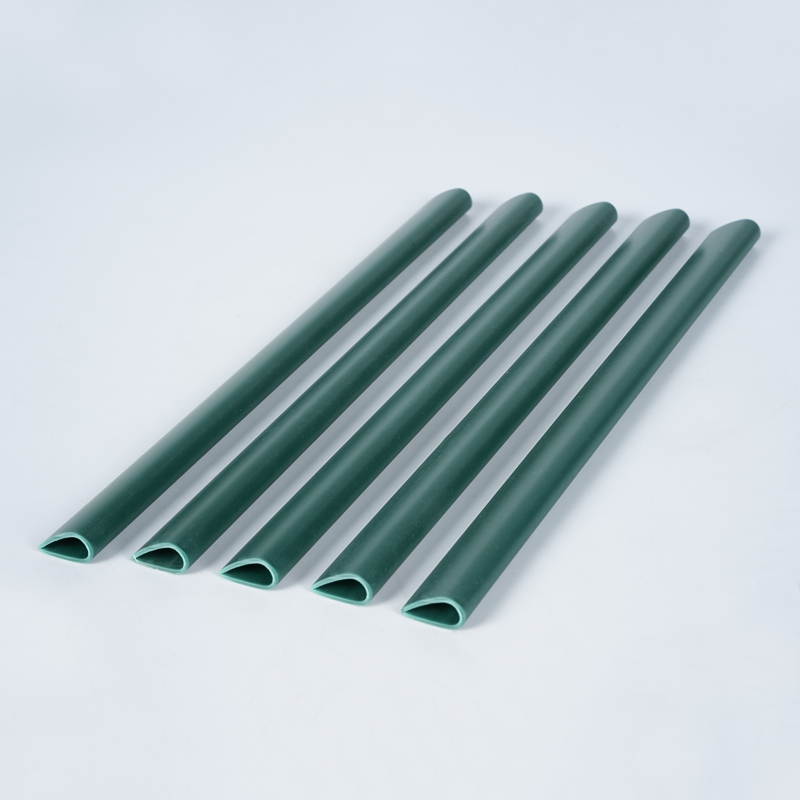
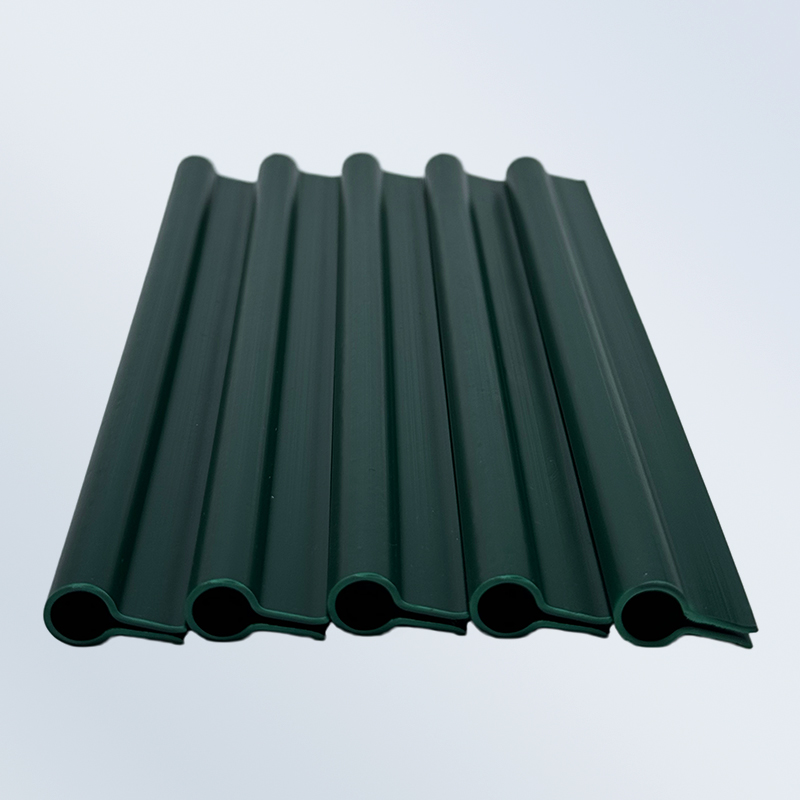
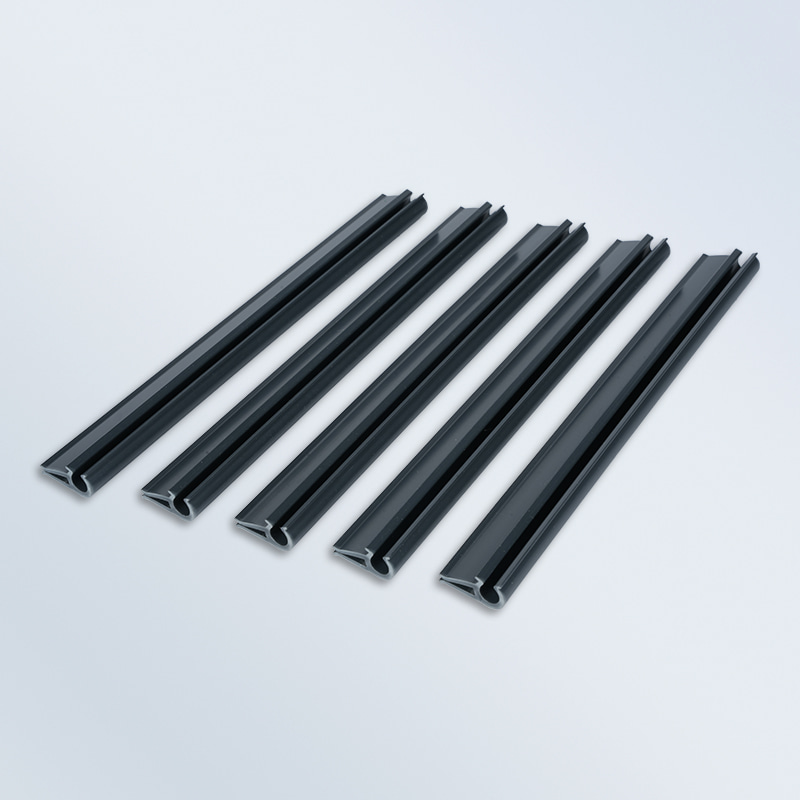
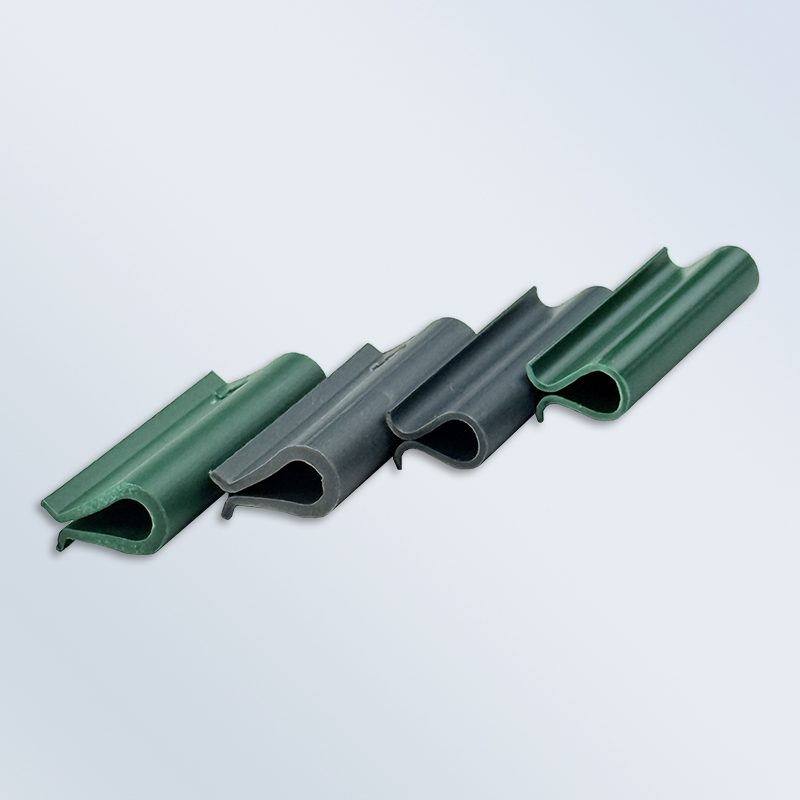
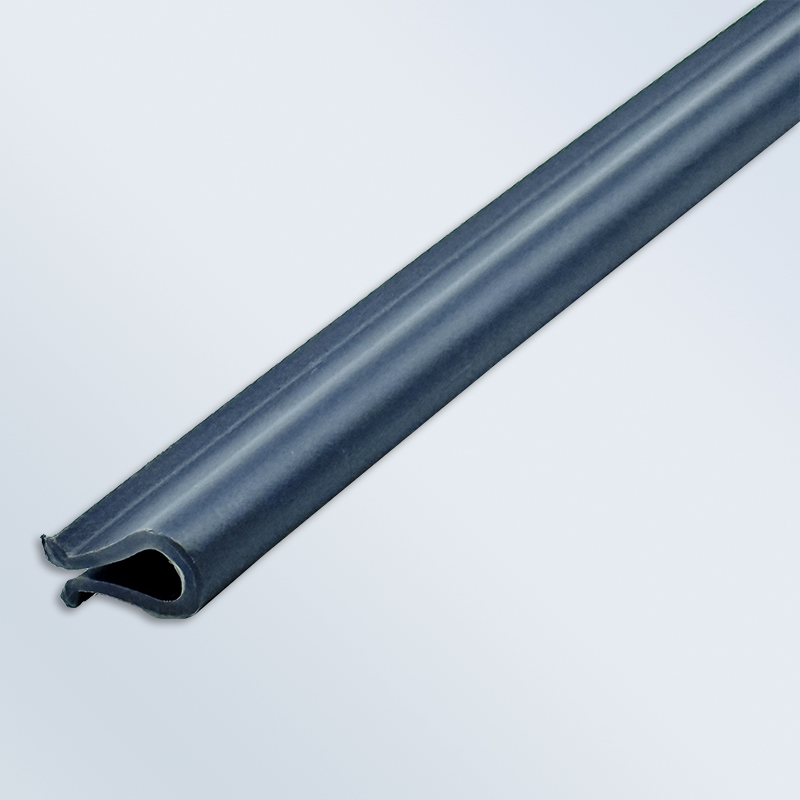
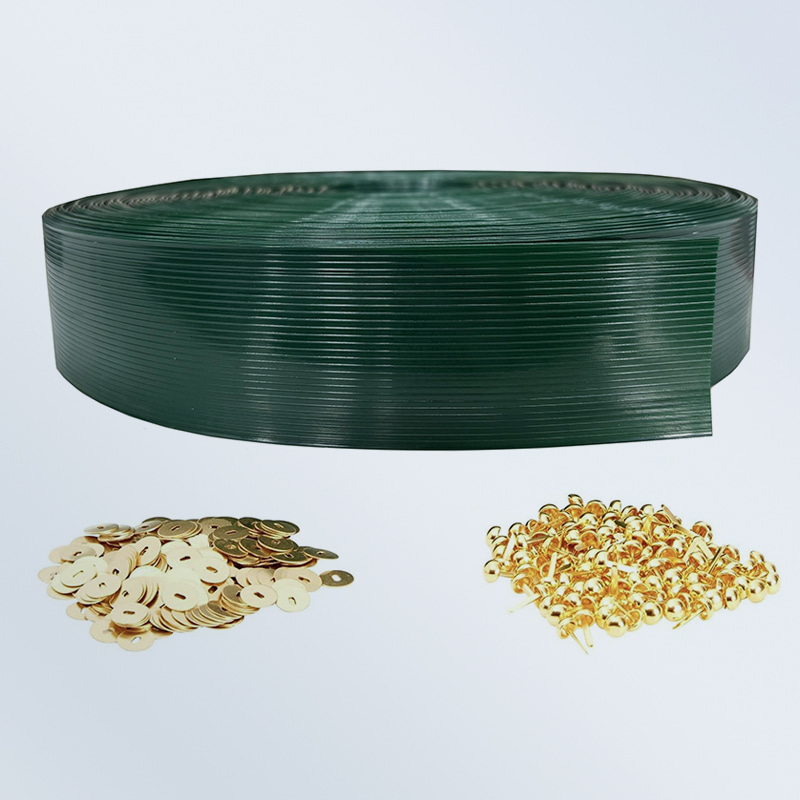
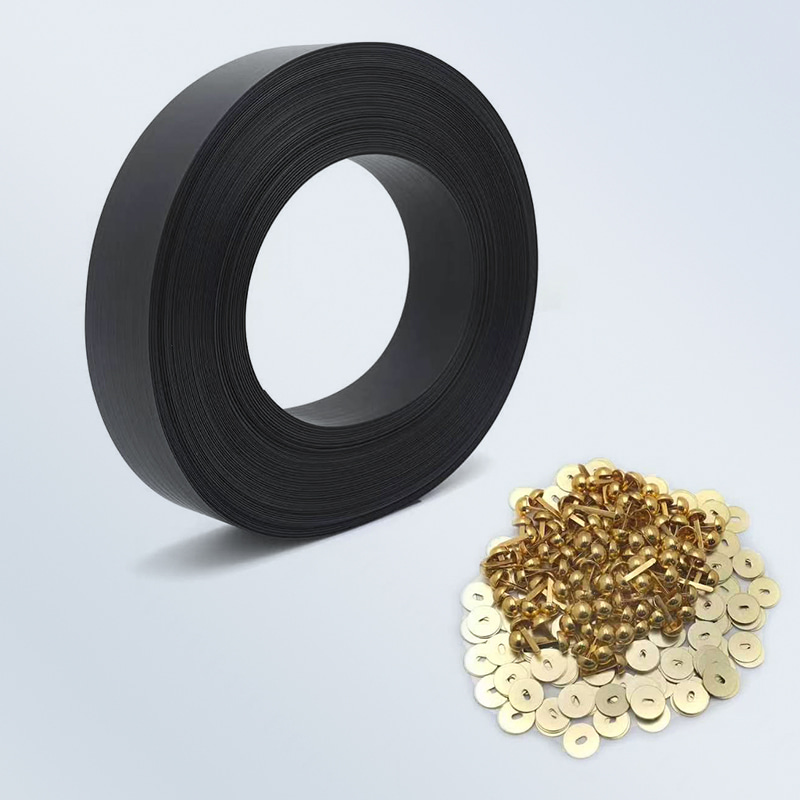
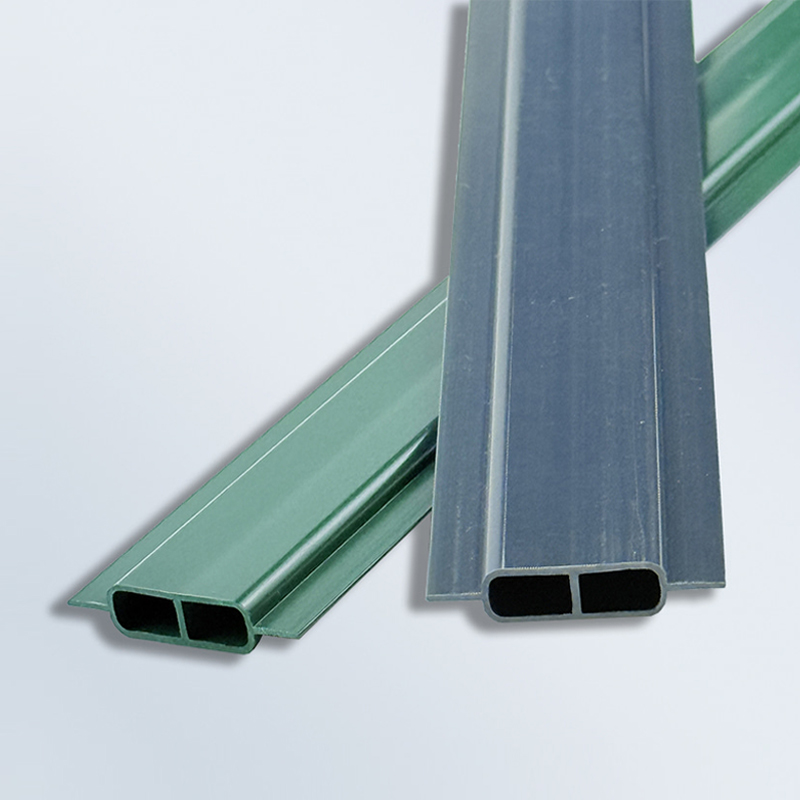
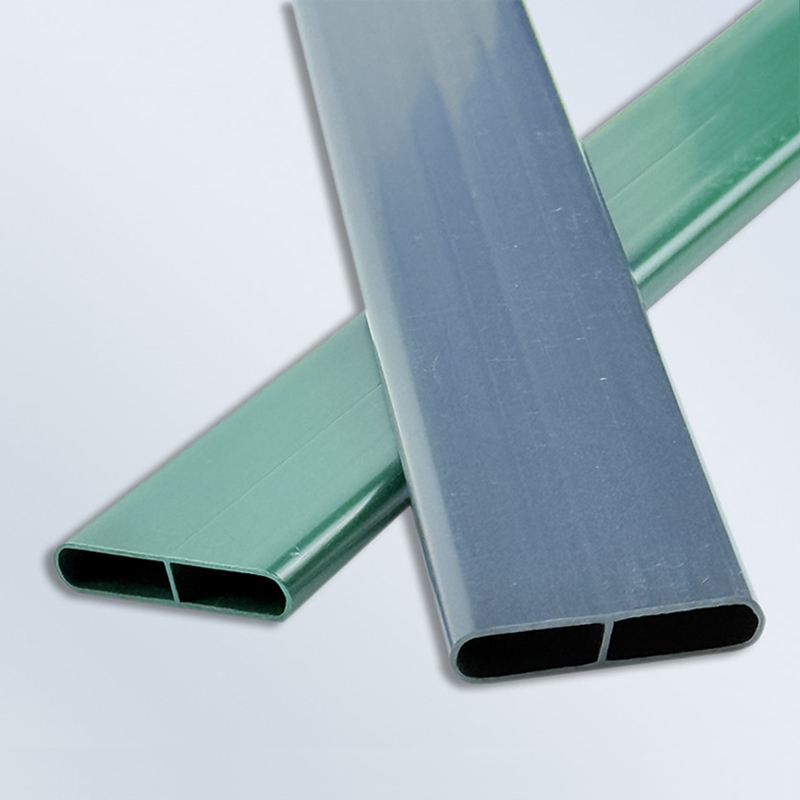
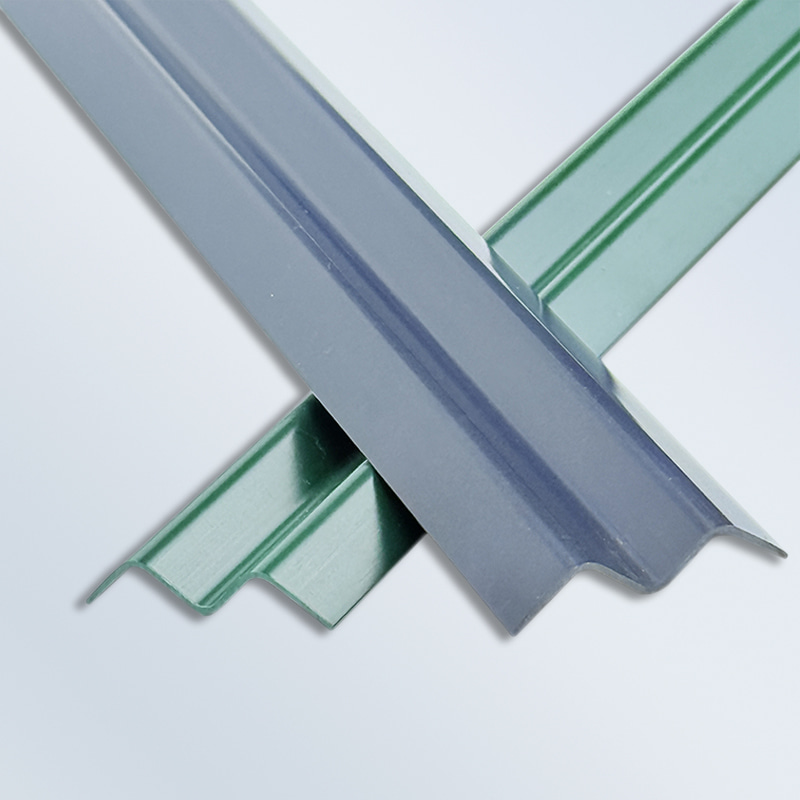
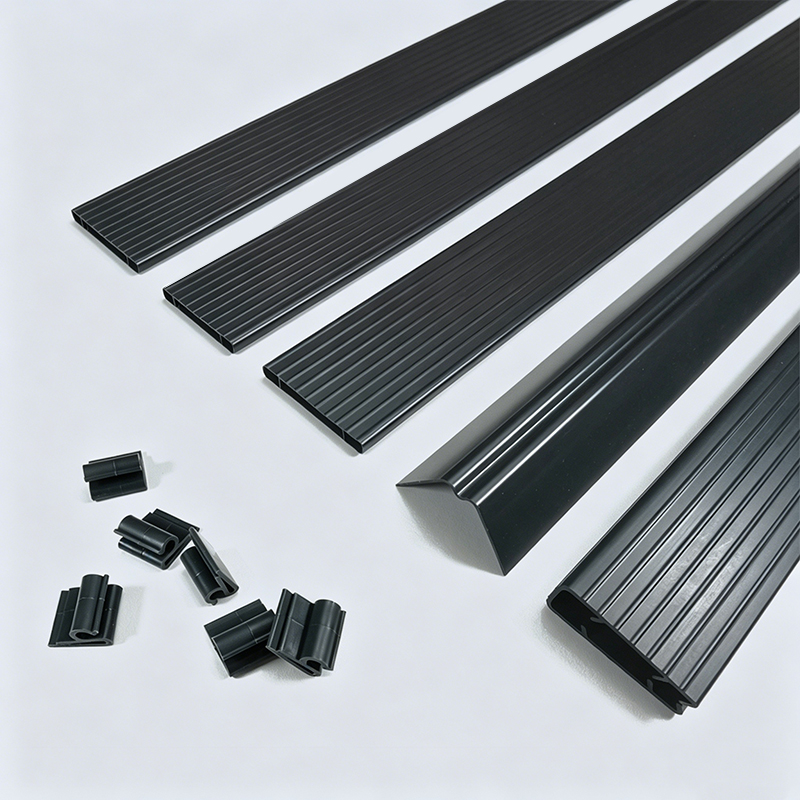
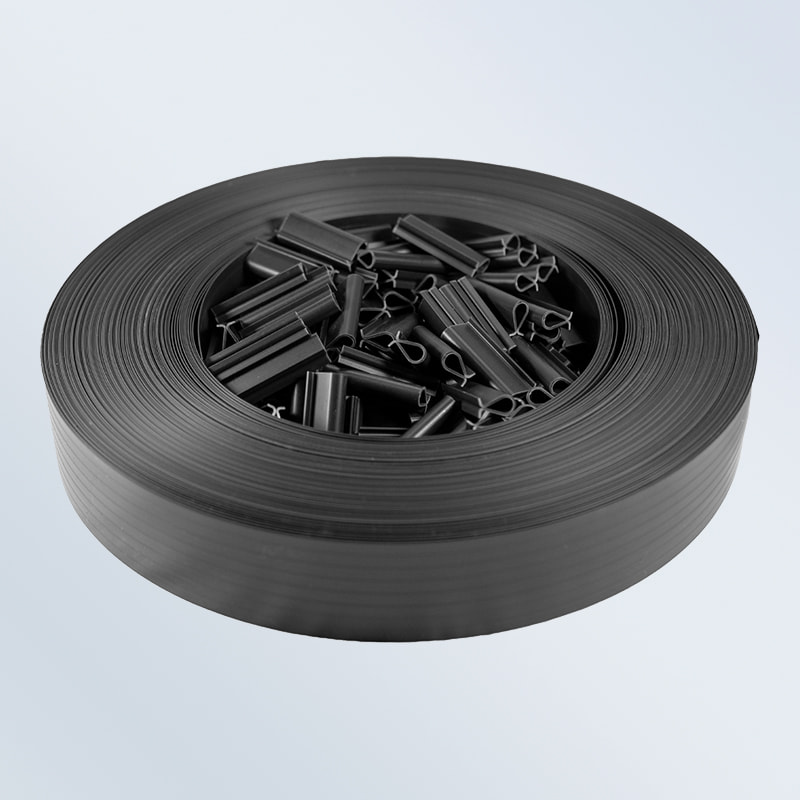
Many property owners and contractors prefer PP and PVC fencing accessories because they are lightweight, corrosion-free and low-maintenance compared with wooden alternatives. These plastic fence tapes, privacy slats and trellis components are widely used to upgrade chain link fences and build decorative garden enclosures.
We supply customized fence materials to meet growing landscaping and privacy fencing needs across Europe, Australia and Southeast Asia.
Can Recycled Plastic Garden Fence Materials Achieve Comparable Structural Strength to Vinyl or PVC?
As sustainability becomes a priority in landscaping, many homeowners and contractors ask whether recycled plastic garden fence materials can match the structural performance of traditional vinyl or PVC fencing. The short answer: it depends on the formulation, filler content, and manufacturing process. Below, we break down the mechanical properties, long-term durability, and real-world trade-offs.
1. Material Composition: Recycled Plastic vs. Virgin Vinyl/PVC
Recycled plastic fencing is typically made from post-consumer HDPE (milk jugs, detergent bottles) or mixed polyolefins. In contrast, vinyl/PVC fencing uses virgin PVC resin with impact modifiers and UV stabilizers. The key difference: recycled plastic often contains fillers (wood fiber, talc, or calcium carbonate) to reduce cost, which can lower strength. Virgin PVC is a homopolymer with more predictable mechanical properties.
2. Key Parameter Comparison: Recycled Plastic vs. Vinyl/PVC for Garden Fencing
The following table compares typical values for structural-grade recycled plastic fence materials versus standard vinyl/PVC fencing. Note that high-performance recycled products (e.g., 100% post-industrial HDPE without fillers) can approach vinyl, but they are rare.
| Parameter |
Recycled Plastic (Filled / Mixed Stream) |
Virgin Vinyl / PVC Fencing |
| Tensile Strength (ASTM D638) |
2,000 – 3,500 psi |
5,000 – 7,500 psi |
| Flexural Modulus (Stiffness) |
80,000 – 150,000 psi |
300,000 – 400,000 psi |
| Impact Resistance (Izod, ft-lb/in) |
1.5 – 3.0 (brittle in cold) |
4.0 – 7.0 (with acrylic modifiers) |
| UV Resistance (color & surface) |
Poor – moderate (fades, may chalk) |
Excellent (10+ years with capstock) |
| Temperature Embrittlement |
Can crack below 0°C (32°F) |
Remains tough down to -20°C (-4°F) |
| Load Deflection @ 100 lbs (rail span) |
2.5 – 4.0 inches |
1.0 – 1.8 inches |
| Typical Warranty |
5 – 10 years (prorated) |
20 years – lifetime (non-prorated often) |
3. Structural Weaknesses of Recycled Plastic Garden Fencing
Most recycled plastic garden fence materials suffer from lower flexural stiffness and creep under sustained load. For example, a recycled plastic gate post may bow permanently after 1-2 years of supporting a heavy gate, while a vinyl/PVC post remains straight. Additionally, screw holding power is weaker in recycled plastic — fasteners often strip or pull out under wind load. Vinyl/PVC accepts screws with integrated pilot holes and retains them much better.
4. When Can Recycled Plastic Be “Comparable”?
High-quality 100% post-industrial HDPE (no fillers, no wood fiber) can achieve 70-80% of virgin PVC's tensile strength. However, it still lacks the capstock layer for UV protection. For non-structural garden applications (edging, low borders, compost bins), recycled plastic works well. But for a load-bearing garden fence (6 ft tall, wind exposure, gate support), virgin vinyl/PVC remains the superior choice.
If you are looking for verified structural fencing options, explore our garden fence material collection featuring both premium vinyl and select high-strength recycled blends.
5. Environmental Trade-Off: Sustainability vs. Performance
Recycled plastic fencing keeps waste out of landfills and requires less energy to produce (approx. 40-50% less CO2 than virgin PVC). However, its shorter service life (often 8-12 years vs. 30+ for vinyl) means more frequent replacement. A life-cycle assessment (LCA) often favors premium vinyl if the fence lasts three times longer. For eco-conscious buyers, hybrid products (recycled core + virgin capstock) offer a middle ground.
Frequently Asked Questions (FAQ)
- Q1: Can I use recycled plastic garden fencing for a 6-foot privacy fence in a windy area?
A: Not recommended. Recycled plastic's lower flexural modulus (80k-150k psi vs. vinyl's 300k+ psi) leads to excessive sway and potential post fracture in high winds. Use virgin vinyl or aluminum-reinforced PVC for tall, wind-exposed fences.
- Q2: Does recycled plastic fencing become brittle in winter like some low-grade PVC?
A: Yes, often worse. Many recycled plastics have no impact modifiers and contain chalk fillers. At temperatures below freezing, impact resistance drops below 1.5 ft-lb/in — a light bump from a snow shovel can crack a rail. Premium vinyl stays tough down to -20°C (-4°F).
- Q3: Are there any structural tests that recycled plastic garden fencing passes equally to vinyl?
A: Only for compression strength (vertical load). Both materials resist crushing similarly (approx. 3,000-4,000 psi). However, real-world fence failure is almost always bending (flexural) or impact, where vinyl/PVC significantly outperforms recycled plastic. Always check ASTM D790 flexural data before buying.




 Español
  Deutsch